Discovering Cebu

Category: Food

  • Are Pig & Palm Cebu’s Unique Dishes Worth the Splurge?

    Michelin-starred magic at The Pig & Palm Cebu promises a splurge that might just be worth it for this coffee-fueled nomad.

    Sometimes, a digital nomad girl’s gotta treat herself
 but is a fancy European-inspired meal in Cebu really where the splurge belongs? Cebu hums with the kind of organized chaos that keeps my laptop-toting heart happy – the scooter-filled streets, markets spilling mangoes and electronics, and the constant call of the sea. Yet, I’m a creature of budget spreadsheets and well-worn backpacks. The idea of a Michelin-starred meal on this sun-soaked island initially hit my wallet like a rogue wave.  

    See, my usual haunts involve steaming bowls of noodles devoured on plastic stools. Comforting, delicious, and about a quarter the price I glimpsed on the menu outside Pig & Palm Cebu. It’s that familiar traveler’s tension – you crave a taste of luxury, a brush of sleek interiors and artful plating, something outside your everyday backpacking routine. But, maybe, just maybe, this place held an answer for me too – justification for ditching the bargain bin, if only for one night. And, if those rumors about their coffee are true, that’s half the battle won right there. 

    What Makes The Pig & Palm Special
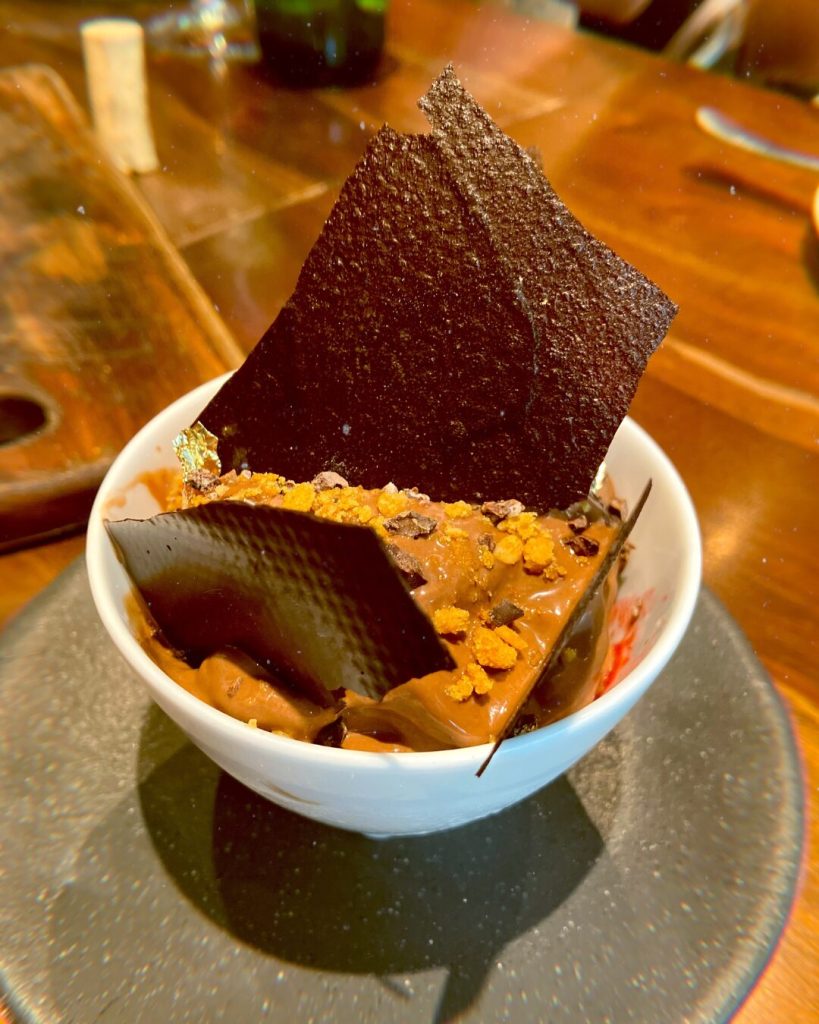
    The Pig & Palm Cebu's chocolate espuma, raspberry sorbet, crystallised cacao nib

    When you think of Cebu, images of crispy lechon and bustling street food stalls likely flash to mind. Delicious, yes, but a far cry from the kind of dining that makes a seasoned traveler’s heart skip a beat. That’s precisely where Pig & Palm Cebu steps in to shake things up. 

    This isn’t some haphazard attempt at fusion cuisine; this is Michelin-approved magic. Chef Jason Atherton, the culinary mind behind this venture, isn’t a name you casually drop at a backpacker’s hostel. The man has a constellation of stars to his name, and restaurants scattered across the globe – London, Dubai, Shanghai, you name it. He’s the sort of chef whose creations have graced the pages of glossy food magazines, the kind that makes even the most jaded palate sit up and take notice.

    And here’s the kicker: Atherton didn’t arrive in Cebu aiming to simply replicate his European hits. The dishes on offer at Pig & Palm Cebu showcase a masterful blend of his signature style with the fresh, vibrant flavors of the Philippines. Think steak tartare, a classic elevated with a touch of the unexpected. Or the confit pork belly – rich, melt-in-your-mouth perfection that pays homage to Cebu’s love affair with pork. And for seafood lovers? The miso glazed pulpo is the stuff dreams are made of – a tender octopus infused with the sweet-savory notes of miso. 

    Is it a Coffee Lover’s Corner?

    A girl can’t survive on steak tartare alone. As glamorous as The Pig & Palm Cebu might be, for us coffee-fueled digital nomads, the real question is: can I get a decent cup of joe here? It’s the difference between a delightful indulgence and a “welp, that was a mistake” kind of evening.

    Sadly, the Pig & Palm doesn’t quite cater to the discerning coffee aficionado. Their focus, understandably, is on the carefully curated food and cocktail menu. You’ll find your basic espresso, maybe a cappuccino, but don’t expect single-origin pour-overs or the latest oat milk latte trend. It’s the kind of place where the coffee is functional, a sidekick to the main event, not the star of the show.

    And the ambiance? Well, let’s just say it’s not exactly built for lingering with a laptop. Think dim, sophisticated lighting with a focus on intimate table settings. It’s reminiscent of those classic New York bistros you see in the movies – wonderful for a lingering meal and conversation, but perhaps not the ideal spot to crank out a few thousand words with a side of caffeine. For the dedicated digital nomad, there are better-suited cafes to be found on the island. 

    If you want a more than decent cup of cappuccino, head to Abaca Baking Company in Crossroads instead.

    The Ambiance Factor

    Let’s be honest, sometimes the “Instagrammable” restaurant is all harsh lighting and minimalist furniture that leaves your spine aching. The Pig & Palm Cebu, thankfully, walks a finer line. It’s undeniably sleek – think dark woods, a hint of polished brass, the kind of place where your cocktail seems to glow in the dim lighting. It reminds me of those classic New York haunts Carrie Bradshaw and her friends might have slipped into for a cosmo. But amidst the sophistication, there’s a surprising softness. The seating, while stylish, is plush, inviting you to settle in.  

    If you’re a solo female digital nomad like myself, you’ll appreciate the vibe. It manages to be low-key enough for comfortable dining, without feeling like you’re hidden away in a corner. That said, if you crave that bustling, see-and-be-seen energy, dinnertime delivers. It gets lively, in that sophisticated grown-up way, so if you were thinking of lingering with your laptop and a latte, this might not be the spot. That feels like a faux pas here. It’s about the meal, the well-crafted drink, and maybe a flicker of people-watching. 

    The staff, thankfully, understands that balance. They have that attentiveness you want for a special dinner, but without the hovering that makes solo dining awkward. A nod, a smile, a well-timed refill of your water glass… and then they let you savor the moment. It strikes me as the kind of effortless service that comes with experience, something I always find reassuring. 
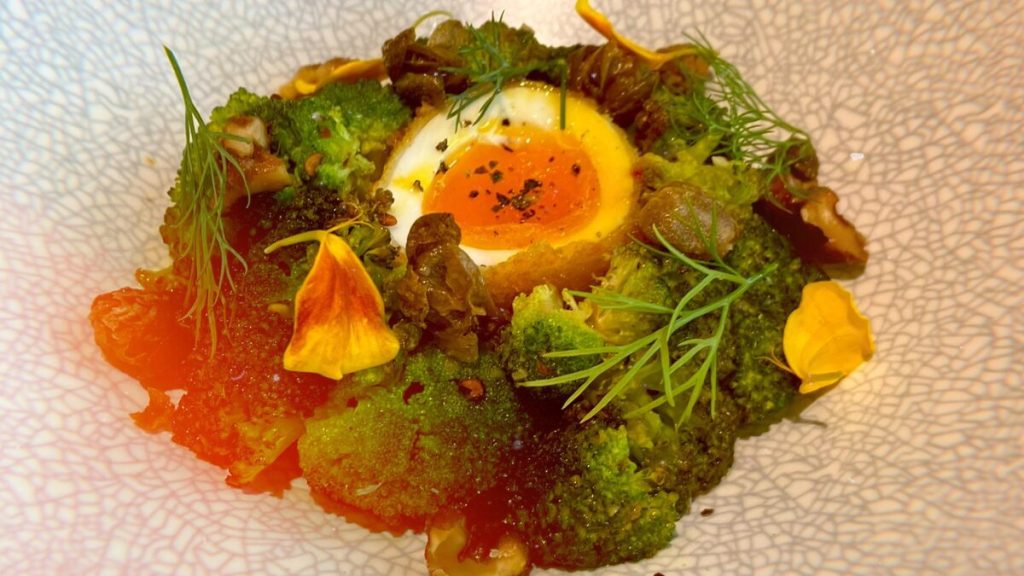
    Pig & Palm Cebu's broccoli, crispy egg, walnut, gorgonzola

    Who is this Place Perfect For?

    Let’s be honest, a girl can only survive on so much delicious lechon and beachside barbecue. Sometimes, you want a dining experience that feels like a proper event, a justification for that cute dress you packed “just in case.” This is where Pig & Palm Cebu steps in. My first visit was to celebrate my sister’s trip back to the Philippines – she lives abroad with her husband, so it was a whole family treat. That’s the perfect Pig & Palm occasion: a step up from your usual routine, a way to mark a milestone, big or small.

    Of course, there’s also that deeply relatable nomad pang – the craving for a taste of home. If you’re from Europe, a bout of homesickness might have you dreaming of a perfectly cooked steak or a velvety sauce that hasn’t been sweetened to suit local palates. That’s where the familiar-yet-elevated flavors at Pig & Palm can be a lifesaver. It’s like stepping into a little pocket of Palermo or London, infused with that distinct Cebuano energy.

    And let’s not forget us foodies. You know, the ones who scour Instagram for drool-worthy dishes, who get a thrill from a truly innovative flavor combination. Pig & Palm delivers. Think ingredients and techniques you’d expect in some trendy Paris bistro, but reimagined with a touch of Filipino flair. It’s that balance – the familiar and the surprising – that makes their menu an adventure, not just a meal.  

    Who Might Want a Pass

    Now, don’t get me wrong, sometimes I happily feast on street-side barbecue and halo-halo for days on end. That’s part of the adventure, right? But The Pig & Palm Cebu isn’t designed for that kind of everyday immersion. If you live by a strict backpacker budget where every peso counts, this is a “special occasion” place, an aspirational bookmark in the guidebook. Think of it like back home – most of us don’t hit up Michelin-starred spots weekly, even if we dream about it while scrolling foodstagram.

    Then there are the cultural purists, and I respect that. If your goal is to dive headfirst into authentic Filipino cuisine, this place admittedly offers a different experience. They’re riffing on European flavors, sometimes with playful local twists. I enjoy that kind of fusion, the way a chef’s background can transform an ingredient, but it’s not for everyone. It reminds me a bit of those heated arguments people have about the “best” bagel in New York – tradition dies hard. 

    Lastly, let’s talk about real-world comfort levels. If your travel style is breezy – the kind where sarongs and flip-flops are your power outfit – the dress code at Pig & Palm Cebu might feel a bit stifling. They’re going for an upscale vibe. That’s not a diss on casual comfort (trust me, I live in shorts and oversized tees when working remotely), but it creates a different kind of evening than hopping between beachside bars. 
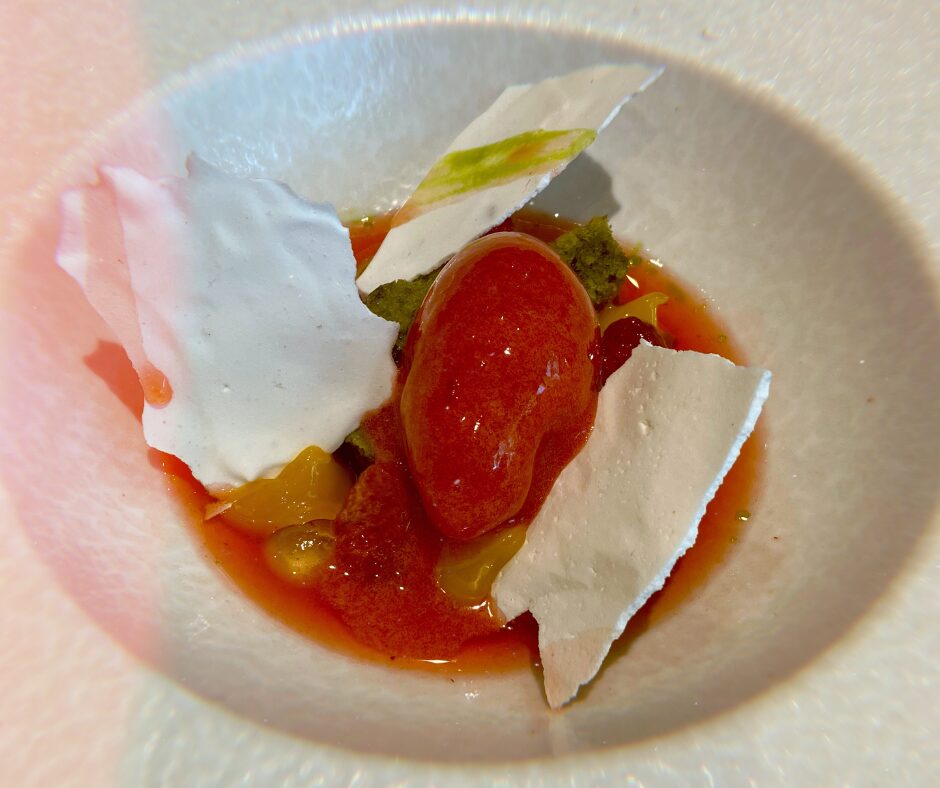
    Pig & Palm Cebu's poached strawberries, lemon curd, basil, strawberry sorbet and jus

    Is Sustainability on the Menu?

    As a digital nomad, I don’t just hop borders, I hop mindsets too. Sipping a flat white in a Melbourne-esque cafĂ© tucked in a Cebu backstreet is thrilling, but not if it means those beans were flown halfway around the world. That nagging little voice in the back of my head – the one steeped in too many documentaries and NPR podcasts on responsible tourism – starts whispering about carbon footprints.  

    That’s where the question gets interesting with Pig & Palm Cebu. This isn’t some hole-in-the-wall slinging adobo with a side of guilt-free conscience. Their menu leans European, all those rich flavors that conjure Michelin stars and crisp white tablecloths. Yet, they insist on showcasing the very best of Filipino produce and sourcing their pork locally. It’s a balancing act, like trying to pair a Napa Valley Cab with a steaming plate of sinuglaw. Can it be done? Should it be done? 

    I’m not here to preach some locavore manifesto – a well-traveled coffee addict has earned her occasional croissant, damn it. But, transparency matters. I want to know if that confit pork belly is a testament to a vibrant local food system, or just a fancy name slapped onto whatever was on sale. Did those veggies travel a few kilometers from a sun-drenched farm, or a few time zones in a refrigerated container? Sustainability isn’t just about buzzwords, it’s about those small, unseen choices. Compostable takeout? A subtle detail, maybe, yet somehow the most telling one. It says – we care, not just about the flash and dazzle, but about the footprint we leave long after those banoffee soufflĂ©s melt into delicious memory. 

    The Verdict: Worthwhile, or Wallet Drain?

    Let’s be real, the final verdict on whether Pig & Palm Cebu is worth damaging your budget for depends on what gets you salivating. Value isn’t some universal truth handed down from the culinary gods. For some, eating local on a shoestring budget offers the most authentic, “worth it” experience. And hey, more power to them – sometimes those hole-in-the-wall lechon spots are where you find the soul of a place. 

    But here’s the thing
 if a bit of European finesse, a meticulously crafted dish, or a cocktail mixed with actual technique makes your foodie heart sing? Then the price tag may take a backseat. Don’t get me wrong, you won’t catch me dining here weekly – we’re talking about main courses in the “treat yourself after a major freelance win” price range. Think of this as more akin to grabbing drinks at that swanky rooftop bar in Singapore than your daily caffeine fix.
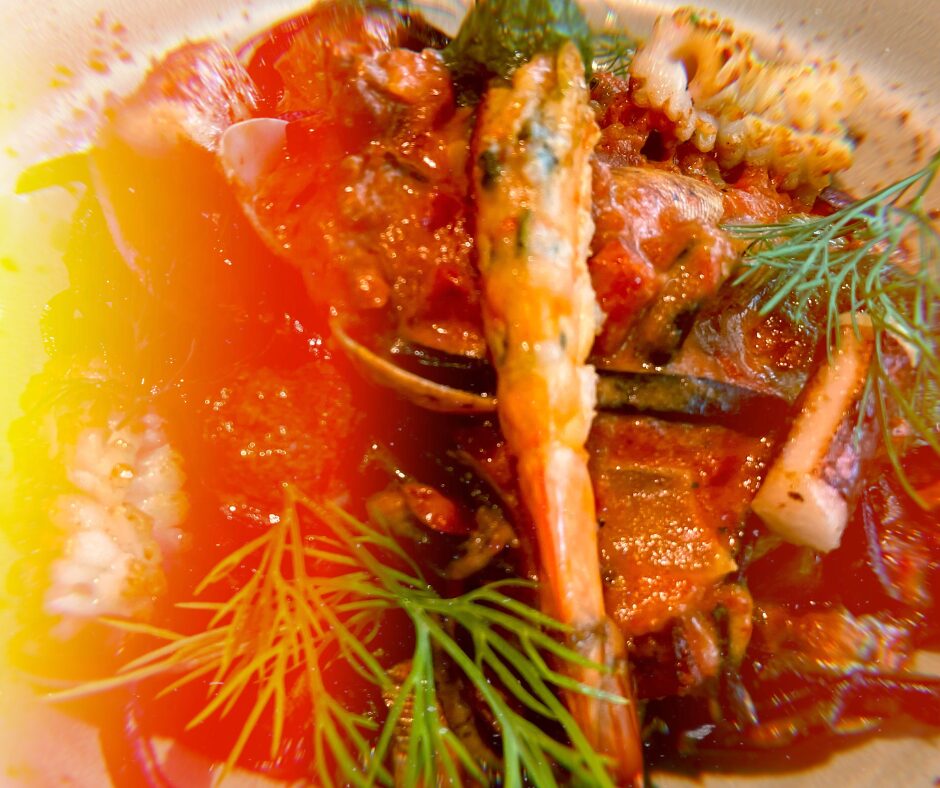
    Pig & Palm Cebu's mizo glazed pulpo

    Parting Thoughts

    The price tag at Pig & Palm Cebu probably won’t fit a daily budget. But sometimes, the experience is what you’re after. A change of pace, a touch of that Michelin-star magic, a reminder that the digital nomad life can be as luxurious as you make it. Worth the splurge? Well, that’s up to you. Just don’t say I didn’t warn you if that sea bass ragĂč leaves you craving a repeat performance.

    Speaking of, have any of you foodie nomads found other hidden gems out here in Cebu? A girl needs options, and I’m all about sharing the wealth. And as for me, well
 let’s just say I’ll be finding a very good reason to book a table at The Pig & Palm very soon. Stay tuned for a full report, because you know I won’t hold back on the juicy details.

    📍Location: G/F, MSY Tower, Negros Rd, Cebu City, 6000 Cebu, Philippines

    🌟Food rating: 4/5 

    💾 Budget: Around ₱2,000+ per pax

    đŸŸ Best for: Special occasions 

  • Best Drinks for Focus and Concentration: We Love #2!

    Avoid the damaging effects of oxidative stress on your brain by drinking the best drinks for focus and concentration.

    You often switch gears fast between many projects as a digital nomad and freelancer. You have commitments to your clients for meeting deadlines, timely invoicing, and upskilling.

    To maintain this lovely lifestyle for as long as possible, you must provide your brain with the fuel it needs. 

    Up to 20% of your caloric intake goes toward fueling the brain, making it your body’s “hungriest” organ. 

    Glucose, derived from the breakdown of food, is the brain’s primary energy source. Neurons in the brain receive glucose via the blood. It consumes nutrients quickly due to its high metabolism.

    In addition to calories, your brain also needs antioxidants that protect it. 

    Brain tissue is particularly vulnerable to the destructive effects of oxidative stress. Free radicals, unstable chemicals that destroy cells, outnumber antioxidants in the brain.

    Antioxidants and minerals protect the brain from oxidation and inflammation. 

    So, here are the beverages you need to keep your brain healthy and the best drinks for focus and concentration.

    1. Almond Milk

    almond milk

    There’s a solid reason why almond milk is becoming more common in cafes around the globe. This well-liked dairy-free alternative is high in vital nutrients and may have numerous positive health effects.

    Drinking almond milk is one of the best ways to get vitamin E, a powerful antioxidant.

    Almond milk is an alternative if you are lactose intolerant or allergic to the proteins in cow’s milk. Almonds alleviate brain diseases like memory loss, headache, and insomnia. Its oil helps with brain dryness.

    2. Black tea

    best drinks for focus and concentration

    Regularly consuming tea can delay brain structure deterioration that comes with aging. 

    That’s what a study conducted between 2015 and 2018 by researchers at the National University of Singapore discovered.

    The researchers surveyed 36 seniors aged 60 and up to learn more about their physical and mental well-being. The volunteers underwent cognitive testing and magnetic resonance imaging (MRI).

    The researchers found that those who drank green tea, oolong tea, or black tea at a minimum of four per week had better connectivity between brain regions.

    Black tea is beneficial if you’re also fighting stress. Constant interruptions and a lack of available time are sources of stress. All of these make it harder for us to concentrate.

    According to research conducted by University College London, black tea drinkers have lower levels of the stress hormone cortisol following a stressful incident.

    Some popular types of black tea are the following:

    • Earl Grey Tea
    • Darjeeling Tea
    • Ceylon Tea
    • Scottish, English, or Irish Breakfast Tea
    • Masala Chai Tea

    3. Kombucha

    kombucha

    A fermented beverage, kombucha is typically produced from green or black tea and fruit or botanicals. Its main benefit is its probiotic properties, which are good bacteria.

    The gut-brain axis is a two-way line of communication between your digestive tract and your cerebral cortex. And it is hypothesized that a healthy gut can increase cognitive performance.

    Your body can produce natural antioxidants, but you can also get them from your diet. Naturally occurring and dietary antioxidants help mitigate the harmful effects of oxidation and free radicals. 

    Since the brain does not contain as many antioxidant enzymes as other body parts, dietary antioxidants play a more significant function in protecting brain tissue. Because of this, it’s crucial to eat well and exercise if you want to keep your brain in excellent shape.

    Incorporating these three drinks into your daily routine can help you keep up with your freelance work. These are the best drinks for focus and concentration to help you keep living the digital nomad lifestyle.

  • Vegetarian Restaurants in Cebu: Best Choices in the City

    Are there authentic vegetarian restaurants in Cebu?

    As many of us have become more health-conscious in recent years, food has been an important topic. Especially vegetarian food has gotten lots of love recently. It’s no secret that most meat-based dishes aren’t exactly high quality—and that’s not even considering if the meat itself is healthy. 

    Changing to a plant-based diet can help reduce the environmental impact of your eating habits, which is why many people are turning to veganism. According to research conducted at Oxford University, eliminating animal products from one’s diet is the “single biggest way” to reduce one’s carbon footprint drastically.

    Are you a digital nomad trying to live a sustainable lifestyle? Read How To Live More Sustainably As A Digital Nomad.

    So, how about it then? Where can you find vegetarian food in Cebu?

    We love vegetarian food. That’s why we’re starting to collect places in Cebu where you have a decent selection of vegetarian or vegan food.

    Why? Because, by and large, Cebu is a dream for meat lovers. You’ll find your treat from Korean BBQ and steak to local delicacies such as sisig or lechon.

    But it’s a bit more complicated if you’re vegetarian. In fact, a couple of years ago, that might have been a real challenge.

    Not anymore!

    Vegetarian food is invading the menus in Cebu. Slowly but surely, you’ve got choices. Still, it’s not everywhere. As so often in Cebu, you kind of
 need to know.

    And since we enjoy vegetarian food ourselves—and have plenty of friends who do—we collect food places for you.

    To be included in our list, offering a side of mashed potatoes or sour cream fries is not enough. It’s also not enough if you can ask the kitchen to prepare the salami pizza without the salami. Yes, no salami.

    You know you’re in the right place when you can’t decide what to eat when a bunch of yummy things fights to be chosen.

    As usual, we’re opinionated in what we add. However, if you think we can improve the list, please let us know at hellodiscoveringcebu@gmail.com.

    Let’s discover all the vegetarian food in Cebu!

    Check out the map of vegetarian restaurants in Cebu below. A few of them are even exclusively vegan. We hope you find your future favorite food spot through this post. Read on to see a list of vegetarian restaurants in Cebu.

    Disclaimer: No affiliations. Opinions and selections are our own. Mistakes happen. Incomplete by nature. Reach out for updates: hellodiscoveringcebu@gmail.com.

    • 💯 : no meat on the menu
    • 🌿 : vegan choices on the menu
    • 🚚 : they deliver
    Colorful Vegan Dessert

    Vegetarian Restaurants in Cebu by Area

    Ayala

    Ayala Mall Central Bloc

    Banilad

    Banawa

    Escario

    Guadalupe

    IT Park and around

    • Bharat Spice (Indian restaurant. Plenty of meat-free dishes. Inside IT Park, slightly opposite JP Morgan, next to Chibori)
    • Cafe Georg (Vegetarian burgers, Jambalaya. Outside of IT Park, near Crossroads) 🚚

    Jones

    Kasamban

    Lahug

    Mandaue

    Mango

    • Persian Palate.  The menu has both vegetarian and meaty dishes, but try their 💯 vegetarian buffet for ₱195: Thu, Fri, Sat 6PM-10PM. 🚚

    Park Mall

    Ramos

    Sikatuna

    SM City Cebu

    Tisa

    🚚 Delivery Services

    There are a whole bunch of services that will bring you a week’s worth of plant-based, vegetarian or vegan food to your home.

    You usually pay them for a week and then each day they bring you three or four meals (breakfast, lunch, dinner, and sometimes a snack).

    Where Else Can I Find Vegetarian Restaurants in Cebu?

    We’re not the only ones collecting vegetarian and vegan food places. And since our goal is to be helpful to you, we’re listing our “competition” here. :]

    Let us know if you know of other maintained & informative pages!

    You might also want to read Cacao Nibs: Benefits and Where to Buy Them in Cebu.

  • Cacao Nibs: Benefits and Where You Can Buy Them in Cebu

    Cacao nibs have been the craze lately. The name sounds fancy but ‘cacao nibs’ simply means “crushed bits of dried cacao beans”. It’s chocolate in its purest, most nutrient-rich form. <3

    Where do Cacao Nibs come from?

    The cacao tree (Theobroma cacao) is native to the upper Amazon region but is now commercially grown around the world for its beans. The major cacao producers are Malaysia, Indonesia, Nigeria, Cameroon, Ecuador, Ghana, Cote D’Ivoire, and Brazil—but we grow Cacao in the Philippines, too!

    Following the harvest, cacao beans are extracted from their pods, then fermented and dried. Crushing the dried beans gives you raw cacao nibs. Some manufacturers roast the nibs for a richer flavor and aroma.

    What does it taste like?

    Cacao nibs have an intense dark chocolate flavor. It smells like any gourmet chocolate bar but tastes far more bitter. 

    The nibs have a unique texture similar to a macadamia nut – crunchy yet tender. The cocoa butter in them gives a wonderful mouth-cooling sensation after each bite. 

    Raw cacao nibs have a slight tang to them. They are firm but chewy like roasted coffee beans. On the other hand, roasted cacao nibs are crunchier and have a nutty and less bitter flavor.

    The taste takes a little getting used to. But if you’re already a chocolate lover, then nibs will be a welcome treat.

    Cheapest Cacao Nibs in Cebu

    Metro Supermarket: Cacao de Davao – Cacao Nibs 150g – P176 (P117/100g)

    • Landers – Superfood Cacao Nibs Sugar coated 227g – P229.75 (P101.21/100g)
    • Landers – Mal Roasted Cacao Nibs 250g – P309.75 (P123.91/100g)
    • Metro – My Wellness Plain Cacao Nibs 150g – P180 (P120/100g)

    Where to Buy Cacao Nibs in Cebu

    Cebu has a flourishing cacao industry. So it’s not difficult to find high-quality chocolate products. Some of the local sellers that offer cacao nibs and cacao nib products are:

    You may also find cacao nibs at the following supermarkets and specialty stores:

    • Metro supermarket at Ayala Cebu
    • Rustans at Ayala Cebu
    • Healthy Options at Ayala Cebu
    • Healthy Options at SM City
    • SM Supermarket
    • The Chocolate Chamber at Robinson’s Galleria

    Cacao Nibs Nutrition

    Like most superfoods, cacao nibs contain a chockfull of nutrients. They are the healthiest chocolate product because they are the least processed and contain no sugar.

    One ounce (28 grams) of the nibs provides:

    • Calories: 175
    • Fiber: 5 g
    • Protein: 3 g
    • Fat: 15 g
    • Sugar: 1 g
    • Iron: 6% based on Recommended Daily Intake (RDI)
    • Copper: 25%
    • Magnesium: 16%
    • Phosphorus: 9%
    • Manganese: 27%
    • Zinc: 6%

    Additionally, cacao nibs contain plant compounds like flavonoids, which are known as potent antioxidants. In fact, chocolate products have the highest flavonoid content by weight among all food.  

    Flavonoids help protect your cells from damage caused by free radicals. Studies show that people whose diets are rich in flavonoids have a lower risk of heart disease, mental decline, and certain cancers.

    Cacao consumption can also help control your blood sugar and boost your immune system. That said, overconsumption can have some nasty side effects.

    Cacao contains stimulants like caffeine and theobromine that, when consumed in excess, can cause anxiety, trouble sleeping or digestive unrest. Pregnant or breastfeeding women, as well as children, are more vulnerable to these effects.

    How to Eat Cacao Nibs

    Get past the bitter taste—and cacao nibs make for a perfect snack. While you can eat them on their own, why not add them to something you already love? For example, you can sprinkle a teaspoon over your morning oatmeal or late-night bowl of ice cream for some crunch and extra nutrition.

    Blend them into smoothies, or use them as chocolate chips substitute for healthier cookies and cakes. 

    You can even throw some into your favorite pasta or enchilada sauce for a deeper flavor. Every foodie knows a little chocolate adds pizzazz to any tomato-based sauce.

    Read this next article: Chia Seeds: Where to buy them in Cebu.

  • Quinoa Benefits and Where to Buy Them in Cebu

    Though it is an ancient crop, quinoa has reached superfood status only recently. It’s now a popular substitute for white rice and a non-animal protein option for vegans and vegetarians. 

    Here’s some more interesting information about what quinoa is:

    Quinoa Facts

    It’s pronounced as “KEEN-wah,” not “KWEE-NO-ah.” 

    Although it is dubbed as the “mother of all grains,” quinoa is actually a seed. Chenopodium quinoa is a native crop of the Inca Empire in South America. The herbaceous plant is grown for its edible seeds. Its young leaves are also nutritious and can be eaten as a vegetable similar to spinach (to which it is botanically related). 

    Quinoa is a complete protein since it contains all nine essential amino acids that the human body cannot make. 

    Every cup of cooked quinoa provides:

    • 222 Calories
    • 8.14 g Protein
    • 5.18 g Fiber
    • 3.55 g Fat (of which 0.42 is saturated)
    • 39.4 g Carbohydrate

    The same amount contains the following nutrients:

    Quinoa is gluten free and loaded with antioxidants that fight free radicals in the body. It is a low-GI food which keeps you feeling full for longer and helps control your blood sugar level.

    Kinds of Quinoa

    There are more than 120 different types of quinoa. But what you’ll usually find in groceries are white, red and black quinoa. These are sold as whole grain, flakes and flour forms. Quinoa is also sold in tri-color.

    Does color matter? Yes, but only in terms of flavor and texture.

    White quinoa has a mild nutty flavor that does not overpower other ingredients in a recipe. It also has a lighter and fluffier texture and it cooks quicker than colored varieties. 

    Black quinoa is crunchier and has a sweeter and earthier taste. Red quinoa has a good bite and holds its shape better when cooked. It’s often used in salads.

    Where to Buy Quinoa in Cebu

    Quinoa can easily be found in major supermarkets in Cebu:

    • Ayala Metro Supermarket
    • Rustans Supermarket Fresh (also in Ayala Center Cebu)
    • SM City Supermarket
    • SM Seaside Supermarket
    • Landers

    Healthy Options stocks a wider variety of quinoa products. You can find their stores here:

    • Ayala Center Cebu – Level 3, New Wing
    • SM City Cebu – Upper Ground Floor, North Wing

    If you haven’t tried quinoa yet, you can buy cooked quinoa meals before committing to buying your own stash. WholefoodCebu and Wellness Land Vegan Cafe and Health Food Store are only two of many places that sell it.

    Quinoa Price in Cebu

    Landers

    • White Quinoa 600g – P479.75 (White Quinoa Price for 100g is P79.95)

    Metro Supermarket

    • Vitalia Quinoa Seed 250g – P546 (Price for 100g is P218.4)
    • Arrowhead Mills Organic Quinoa 396g – P731 (Price for 100g is P184.59)

    How to cook Quinoa

    Cooking quinoa is similar to cooking rice or any other cereal grain. Most packaged quinoa has been rinsed (a.k.a. processed) and is ready to cook. The rinsing process gets rid of the bitter natural compound (saponin) that coats the dried seeds.

    Here’s the quinoa recipe for perfect, fluffy goodness:

    1. Place quinoa in a fine mesh sieve and rinse until the water runs clear. Drain well.
    2. Add quinoa and liquid in a pot. Bring to boil.
    3. Once boiling, reduce heat to maintain a gentle simmer. Cook until all liquid is absorbed (10-20minutes depending on how much you’re cooking).
    4. Take the pot off the heat, cover, and let steam for 5 minutes.
    5. Take the lid off and fluff the quinoa with a fork. Season to taste.

    You know your quinoa is ready when those curly “tails” or the germ pop out from the seed.

    Tip: Use twice as much liquid as the amount of quinoa (e.g. 1 cup quinoa + 2 cups water). To add more flavor, use low-sodium stock instead of water or add olive oil and salt to cooked quinoa.

    chia seeds

    Looking for chia seeds in Cebu? Check out our article 

    Benefits of chia seeds and where to buy them in Cebu.

    About the author

    Hey, it’s Chenzi! A writer made in Cebu. Stringing words is my bread and butter, but baking and mothering my 3-year-old are what feed my soul. I have an insatiable thirst for learning. 

  • Health Benefits of Flaxseed, the Superfood People Rave About

    The health benefits of flaxseeds are numerous that’s why it is one of the superfoods people rave about. They are surprisingly affordable and versatile in countless recipes. And, you don’t need to eat a ton of it to see the amazing benefits:

    • Low in carb but high in fiber. Flaxseeds are loaded with both insoluble and soluble fiber which helps to detoxify the gut and keep you feeling full for longer. It can be helpful if you’re trying to lose excess weight or to minimize your sugar cravings.
    • Chockfull of plant-based protein – Flaxseeds make a fantastic lean meat replacement for vegans. Also, the specific protein found in flaxseeds has been found to show improved immune function and tumor prevention properties.
    • Antioxidants – Flaxseeds are an anti-aging and beautifying food, thanks to the lignans they contain. This specific antioxidant has been found to help against breast and prostate cancers as well as control cholesterol and blood sugar levels.
    • Anti-inflammatory – You can count on flaxseeds to deliver that much-needed brain- and heart-boosting omega-3 fatty acids, particularly the anti-inflammatory Alpha-Linoleic Acid (ALA).
    • Hormonal regulation – Loaded with phytoestrogen, flaxseeds are helpful for women who experience hormonal imbalances. The grains sweep off excess estrogen from the body, which can help women to avoid breast cancer and/or reduce tumors.
    • Gluten-free – The number of suitable foods is limited to people with gluten allergies. Fortunately, flaxseeds are gluten-free. The grains form a mucilage when added to liquid, making them a useful substitute for eggs or any binding ingredient for both vegan and gluten-free recipes.

    Flax is one of the oldest crops known to civilization. Its origin is believed to go back to ancient Egypt, where it was worshipped for its “magical properties.” Flaxseeds are said to help skin conditions, heal the intestines, improve energy, and boost overall health. 

    The Latin name of flax, Linum usitatissimum, translates to “very useful.” Also known as linseed or common flax, the fiber crop is used to make textile linen. Its oil (linseed oil) is used as a nutritional supplement as well as an ingredient in wood-finishing products.

    Flaxseed facts

    A typical serving of flaxseeds is one tablespoon (7 grams), which contains:

    • Calories: 37
    • Carbs: 2g
    • Fiber: 1.9g
    • Protein: 1.3g
    • Fat: 3g
      • Saturated fat: 0.3g
      • Monosaturated fat: 0.5g
      • Polysaturated fat: 2.0g
    • Omega-3 fatty acids: 1,597 mg
    • Potassium: 2% of RDI
    • Calcium: 2% of RDI
    • Iron: 2% of RDI
    • Vitamin B6: 2% of RDI
    • Vitamin B1: 8% of RDI
    • Folate: 2% of RDI
    • Magnesium: 7% of RDI
    • Phosphorus: 4% of RDI

    Ways to eat flaxseed

    Mild in flavor, flaxseed can easily be added to any recipe without affecting the taste. You can sprinkle some over your yogurt or overnight oats. Blend some in your favorite smoothie. Or, you can add ground flax seed (flax seed meal) to scrambled eggs and baked goodies.

    Looking for some chia seeds? Read out our article Chia seeds benefits and where to buy them in Cebu.

  • Health Benefits of Pistachio Nuts

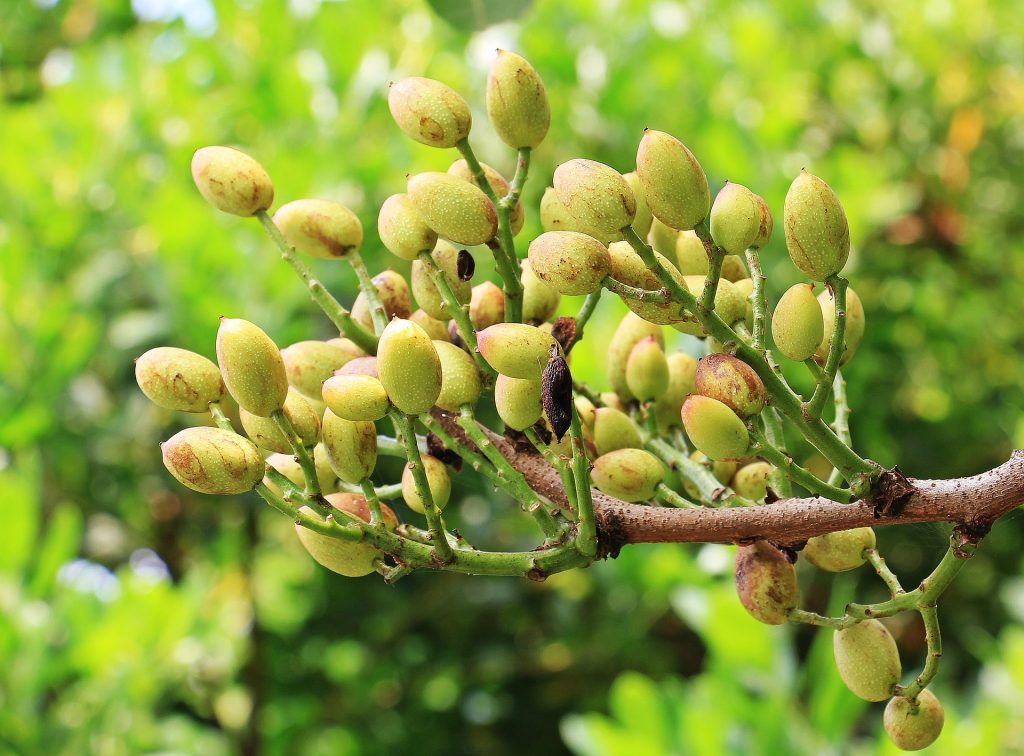
    Pistachios aren’t actually nuts. They are the edible seeds of the Pistachia vera tree, the only one of 11 pistachio species grown commercially. The trees thrive in dry climates and are largely grown in Middle Eastern countries, Italy, Australia, and California’s Central Valley.

    Pistachia vera

    Looking to buy pistachios in Cebu? Check out our page:  Where to buy nuts in Cebu

    Nutritional Facts

    Each 1-ounce serving of pistachio (about 28 grams or 49 nuts) contains the following:

    • Calories: 159
    • Fiber: 3 grams
    • Protein: 6 grams
    • Carbs: 8 grams
    • Fat: 13 grams 
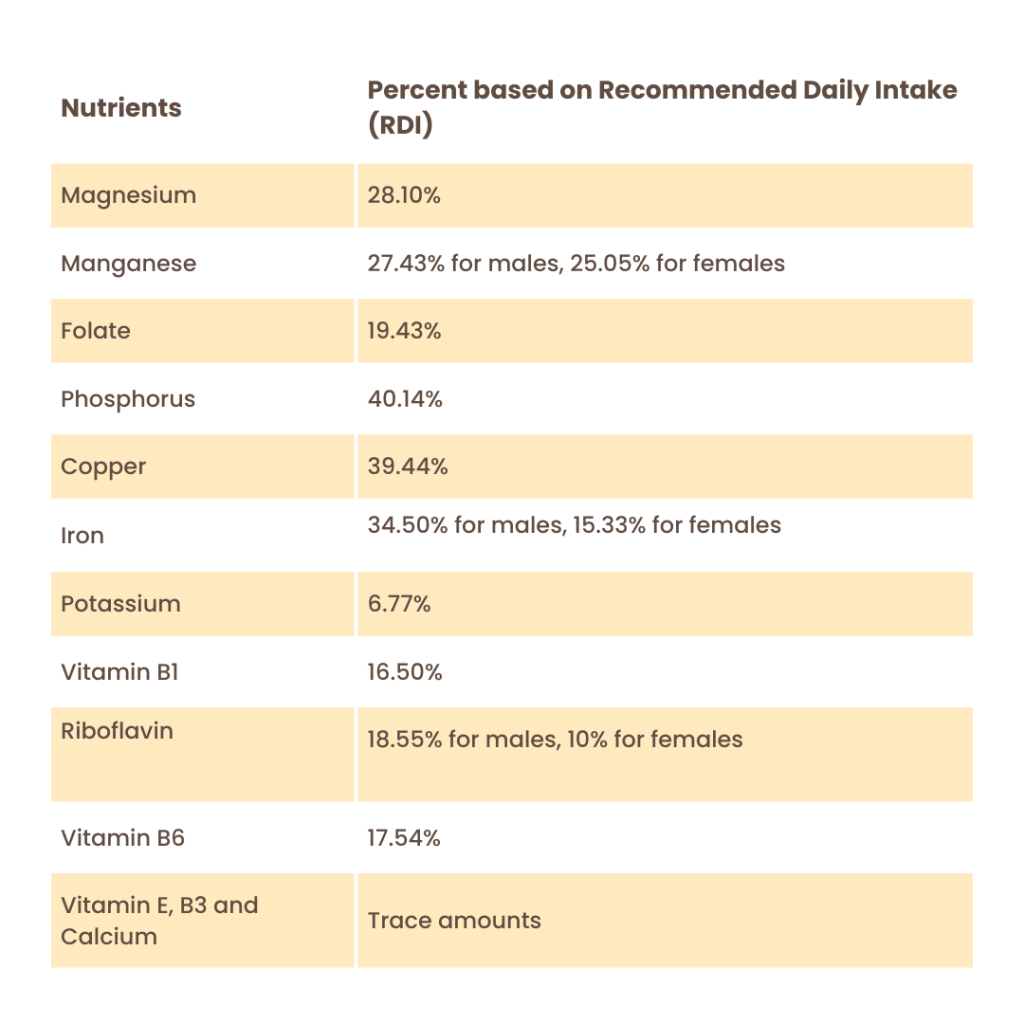
    • Potassium: 6% of Reference Daily Intake (RDI)
    • Vitamin B6: 28% of RDI
    • Thiamine: 21% of RDI
    • Phosphorous: 11% of RDI
    • Copper: 41% of RDI
    • Manganese: 15% of RDI

    The bright-green nuts contain monosaturated fats (the good type!) which lowers LDL (bad) cholesterol and inflammation. 

    They are also jam-packed with antioxidants, including anthocyanin (protects cells from damage), lutein and zeaxanthin (protects against age-related vision loss), and polyphenols and tocopherols (protect the body against heart disease and cancer).

    Moreover, pistachios are a low-GI food. That means they satiate you for longer and keep your blood glucose levels stable. Their low-calorie content allows you to have more nuts per serve. In comparison, a serving of almonds equals 23 nuts. 

    Of course, anything that’s eaten in excess can be bad for you. 

    A cup of pistachios has about 700 calories, which is more than 25% of the average person’s daily caloric needs to maintain weight. 

    Many pistachio products sold in stores are salted. If you eat half a cup of that, you’ll easily consume up to 400 mg of sodium. That spells trouble for your blood pressure.

    About the author

    Hey, it’s Chenzi! A writer made in Cebu. Stringing words is my bread and butter, but baking and mothering my 3-year-old are what feed my soul. I have an insatiable thirst for learning. 

  • Health Benefits of Chia Seeds

    Chia seeds have been revered as a superfood as far back as 3500 BC. The ancient Aztec warriors believed a tablespoon of this exotic seed helped sustain their energy. “Chia” literally means “strength” in Mayan. 

    Chia (Salvia hispanica) made a strong comeback in the 21st century as people discover more of its health benefits. Fitness buffs believe it helps them build more muscle mass. Marathoners believe it fuels them for an extra mile. And health nuts believe it keeps diseases at bay and aids weight loss.

    The grains are now grown commercially in Mexico, Guatemala, Ecuador, Bolivia, and Argentina. But the biggest producer is Australia, where it is marketed under various brand names.

    Chia Seeds: Nutritional Facts

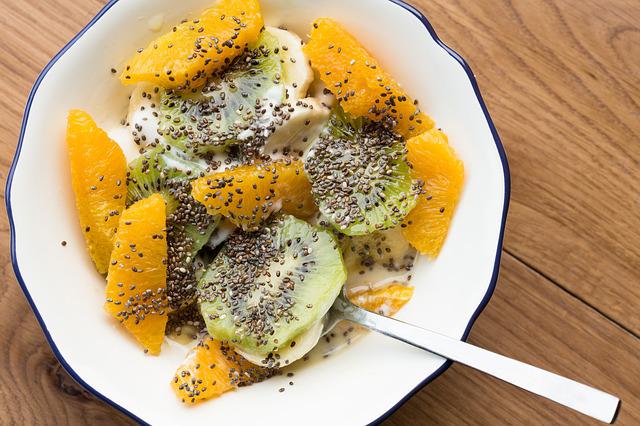
    White or black, the tiny seeds are packed full of nutrients that do wonders for your body and brain. A one-ounce serving (28 grams or about 2 tablespoons) of chia seeds will give you:

    • Fiber: 11 grams
    • Protein: 4 grams
    • Fat: 9 grams (including 5 grams of omega-3 fatty acids)
    • Carbohydrate: 1 gram
    • Calcium: 18% (based on RDI)
    • Magnesium: 30%
    • Manganese: 30%
    • Phosphorus: 27%
    •  Plus decent amounts of zinc, potassium, vitamin B3 (niacin), vitamin B1 (thiamine), and vitamin B12.

    In comparison, chia seeds have 5 times more calcium than milk, 8 times more omega-3 than salmon, 3 times more iron than spinach, and 3 times more antioxidants than blueberries.

    All that good stuff in just 137 calories. 

    On top of that, chia seeds contain tons of antioxidants that help fight inflammation. They’re gluten-free, too, which is particularly convenient for those wilt dietary restrictions.

    Since they absorb up to 12 times their weight in water, eating the seeds is helpful if you’ve got digestive problems.

    How to Eat Chia Seeds

    The seeds don’t have a particularly strong flavour. So it’s easy to add them to your usual snacks or meals. 

    Chia seeds are a whole-grain food. Unlike flax seeds, you don’t need to grind them to get that nutritional punch. They can be eaten dry, like when sprinkled on top of a salad. But, usually, they are mixed into yogurt, overnight oats, or smoothies. 

    When mixed with liquid, chia seeds swell up and congeal. This makes them a great substitute for eggs in vegan desserts and baked goodies. 

    Now, you can bet anything with the “organic” label and “superfood” status is going to be expensive. But despite the large price tag, a small bag of chia seeds will last for ages.

    Unless you’re an athlete, the common dosage recommendation is about 1.5 tablespoons (20g) twice per day. A little goes a long way.

    Bad Side Effects?

    Chia does have some not-so-good properties. Plant sources of omega-3s usually contain ALA, which is an inactive form that the human body is not able to convert or use well. The omega-3s in chia can work to lower your blood pressure. But if you have low blood sugar, this side effect can cause your blood to thin out too much which leads to health issues like nausea, blurred vision, and even depression.

    Because chia seeds are rich in fiber, overconsumption can also lead to stomach and gastrointestinal issues (read: constipation, bloating, gas!).

    Although rarely, chia seeds can also cause allergies. It’s not generally recommended for those with a nut or seed allergy.

    About the author

    Hey, it’s Chenzi! A writer made in Cebu. Stringing words is my bread and butter, but baking and mothering my 3-year-old are what feed my soul. I have an insatiable thirst for learning. 

  • Balut: The Quintessential Filipino Street Food

    Cebu is a food lover’s paradise. From quaint cafes and classy restaurants to native food hubs and night markets, there’s good food to be found at every turn. Though, if you want a taste of authentic Cebuano food culture, you’ll have to give the infamous balut a shot. 

    Since we like to brag about our native delicacies, no foreign visitor is ever spared from the culinary dare that is balut-tasting. It’s sort of a good-natured rite of passage. You can say no, of course, but you’re highly encouraged to try. 

    What is balut?

    It’s a hard-boiled duck egg that’s been incubated between 16 to 25 days. For your reference, duck eggs hatch at 27 to 30 days. So you can bet there’s a partially developed duck embryo inside that egg.

    Without that embryo, a boiled duck egg is simply penoy – a different thing altogether. It contains just a vein-y yolk and a rubbery white part. 

    Balut sa puti

    Balut varies in name and appearance depending on the incubation period. A 14 to 16 days of incubation, the tiny embryo floats on top of the egg white and yolk and sometimes referred to as mamatong (on top). Normally a choice if you want to just dip your toe in for the experience. 

    A 17- to 18-day old egg, also called balut sa puti (balut in white), is the tourist-friendly choice and considered as the ideal balut. The embryo is big enough and is wrapped by the white portion of the egg, ergo the name. The still soft and fluffy embryo can be gulped down in a second.

     Beyond 21 days old, the embryo will have discernible features of a duckling. If you’re an adventurous eater, definitely go for that. But if you aren’t keen on having a beak and some feathers in your food, then stick to a younger, less developed egg. 

    Some vendors mark the eggs with the number of days of incubation. Others simply eye it, so it can be a hit or miss. 

    While it’s been called many things like peculiar and gross, balut is nothing but tasty. It’s best served warm, with a dousing of spicy vinegar and a sprinkling of salt – balut vendors have this at hand for anyone who wants to snack on the go. 

    If you’re out drinking with friends, balut makes for a perfect pulutan as well as an effective hangover food. 

    Seriously, once you get past the appalling appearance, you’ll figure it’s not so bad at all. 

    Where to find it

    Balut vendors traditionally peddle around residential areas, local parks and wet markets. But, now, you’ll see them on the city streets as well. One balut costs around 18 pesos ($0.34) a pop.  

    You’ll know when a balut vendor is nearby if you hear someone yelling “Baluuut!” The second half of the word is intentionally stretched to attract attention. It’s hard to miss.

    Other vendors don’t walk the streets – they are stationed on sidewalks near schools, hospitals, drinking spots and other public areas.

    Balut is typically sold from dusk to dawn. But now you can have it any time of day in some local restaurants where it’s served in adobo sauce, a sizzling platter or as a deep-fried snack. 

    How to eat balut like a pro

    Now we come to the exciting part: eating balut. The process is unlike eating your regular boiled egg, so read closely:

    • Find the rounder, flatter end of the egg, and crack a small hole. The balut is filled with natural broth, so you don’t want to open it up at once. Try not to spill any of the tasty liquid – it’s the bomb!
    • Sprinkle a bit of salt into the hole. Swish the broth gently and slurp it in one go. 
    • Peel away. Whether you eat the embryo first or last depends on your liking. But the pros usually eat the creamy egg yolk first and save the best (embryo) for last. The white part, also called bato (stone), tends to be tough and difficult to chew, so just toss it away. 

    Tip: Before chucking the edible bits into your mouth, try dipping in vinegar for a more flavourful bite. 

    Don’t be afraid to get your hands a little dirty. The mess is all part of the experience. 

    balut

    habal-habal

    Habal2 are another local specialty: the motorcycles swarming the streets of Cebu! What does the name even mean? Read that and more in our article on Habal2.

    What does balut taste like?

    Try it to find out! 🙂

    What does the name mean?

    The name balut stems from the Malay word “balot” which means “wrap” according to this report on the Aphrodisiacs site. It’s worth mentioning that the Filipino word balot also means the same thing. The name perfectly defines the exotic food because it’s a treat covered by a shell. 

    Benefits of Balut: Protein, Cholesterol & Aphrodisiac?

    While Balut isn’t the most healthy food, it has a bunch of benefits, some of them controversial. 🙂

    When it comes to nutritional value, Balut has around 14 grams of crude protein, 188 calories, 2 milligrams of iron and 116 milligrams of calcium. It’s an inexpensive and easily available source of protein. However, as much as we love the exotic delicacy, we don’t eat a lot of it at once. That’s because balut is high in cholesterol – 619 milligrams, to be exact.

    Not all Filipinos like it, so foreign people’s aversion to it is perfectly understandable. It does look repulsive to the uninitiated. 

    Countries like Vietnam (Hot vit lon), China (Maodan) and Cambodia (Pong tia koon) also have their balut.

    Some Filipinos believe the dish is an aphrodisiac, though this isn’t scientifically proven yet.

    Looking past Balut

    This part of the country has more interesting street foods to offer. Balut is just an appetizer. Stay longer and try other favorite dishes like ginabot (pork crackling made from pig intestines), tuslob buwa (pig’s brain gravy) and isaw (chicken intestine BBQ).

    Cheers to a gastronomic adventure!

    balut

    Freaking out at the thought of eating balut? Don’t worry we’ve got you covered! Check out our page for  Vegetarian Food in Cebu.


     About the author

    Hey, it’s Chenzi! A writer made in Cebu. Stringing words is my bread and butter, but baking and mothering my 3-year-old are what feed my soul. I have an insatiable thirst for learning. 

  • Abaca Baking Company in Crossroads: Why I Love It

    If home is where the WiFi is strong (and the pastries are flaky), Abaca Baking Company in Crossroads, Cebu might be mine.

    I’m not one for crowds. The endless churn of big cities, the forced small talk – it leaves me rattled. That’s why I keep coming back to Cebu. It has the energy of somewhere on the rise, the thrum of possibility, without the claustrophobia. I can get lost in the colors of the SM Seaside, then disappear into a quiet cove on some neighboring island with nothing but a good book and the rhythmic beat of the waves. I can work, tucked away on my laptop in a beachside cafe, or hit the road, chasing waterfalls and hidden temples.

    I embraced the digital nomad life in my late thirties. It means untethering from one fixed address, and it means figuring out how to live lightly, and consciously. Sustainable isn’t just a buzzword for me, it’s a guiding principle. I seek experiences over possessions and businesses that have a soul beyond their bottom line.

    That’s why I have a soft spot for places like Abaca Baking Company in Crossroads. It’s become a ritual – my little slice of comfort in this ever-changing world. There’s something about their approach, the quality of their ingredients, that speaks to the kind of conscious consumption that I value. I want to know where my coffee comes from, that the farmers get a fair price, and that the pastries weren’t pumped full of chemicals. It’s the little things, the choices we make every day, that add up to a life lived on our terms. And for me, sometimes that life involves a perfect cappuccino and a buttery, flaky croissant.

    About Abaca Baking Company

    I first stumbled upon Abaca Baking Company in Crossroads almost by accident. I was exploring Cebu City, trying to reconcile the chaos and charm that seems to be the signature of every Southeast Asian metropolis. Crossroads, this open-air mall in the Banilad neighborhood, felt like a refuge – a bit upscale, sure, but filled with that lush kind of greenery that reminds you this is still the tropics. And there, nestled amidst the shops, was Abaca Baking Company.

    It’s not just a bakery, and it’s not just a cafe, though the words are in the name. It’s a full-on restaurant, somehow managing to pull off an elevated yet inviting atmosphere that immediately struck me as the perfect spot for digital nomads. They serve everything from hearty breakfasts to Cuban sandwiches, but the bakery counter, filled with tempting croissants and pastries, is what initially drew me in. Let’s face it, sometimes we need a taste of something familiar alongside our daily dose of adventure, and Abaca delivers.

    Abaca Baking Company in Crossroads is strategically located – near enough to Cebu’s action to stay connected, but far enough out to offer a touch of sanctuary. You can find it in the Crossroads Mall in Banilad, Cebu City. They keep generous hours, usually open from about 7 am to 11 pm. Now, those times can fluctuate a bit, especially around holidays (something about which Filipinos know a thing or two). So, before you get your heart set on a late-night pastry binge, it might be wise to check their socials.

    Where is it?

    Abaca Baking Company is located in the Crossroads strip mall in Banilad, right next to IT Park.

    Abaca Baking Company’s Atmosphere

    Stepping into Abaca Baking Company in Crossroads feels like walking into a thoughtfully curated page from a design magazine – but with the tantalizing bonus aroma of coffee and freshly baked bread. It’s got this bright, minimalist airiness that I adore. The high ceilings and generous use of natural light create a sense of spaciousness that puts my mind at ease. There are pops of warm wood and splashes of greenery, bringing in an organic touch that’s very welcome amidst the concrete of Cebu. Everything feels clean, uncluttered, and intentionally designed – appealing to that nomadic craving for a serene workspace.

    You’ll spot plenty of fellow expats here, drawn to the familiar brunch fare and comfortable atmosphere. It’s got that ‘treat yourself’ vibe, whether it’s a carefully assembled bakery benedict or a slice of something sinful from the pastry counter. However, as much as I adore their coffee and could happily spend all day nibbling on their croissants, I wouldn’t call Abaca my primary work hub. The tables are just a bit too close together for long sessions on my laptop, and there’s a certain weekend brunch energy that might be distracting if you’re chasing a deadline. 

    For dedicated work sessions, there are better options than just a short jaunt away. The Company in IT Park offers that dedicated co-working feel. Or Drip and Draft in Streetscape is cozy if you prefer a more intimate cafe environment. If you’re willing to venture further, there’s Workplace Cafe Mactan and Mandaue that cater specifically to the remote working crowd. 

    Menu, Coffee, and Sustainable Practices

    I’m not going to pretend to be some espresso connoisseur with a palate refined enough to detect the “notes of dark chocolate and toasted hazelnut” the menu describes. My coffee order’s simple: brewed coffee, maybe a cappuccino if I’m feeling adventurous. What I love about Abaca Baking Company in Crossroads is their consistency. I know I’ll get a decent, strong cup that powers me through a morning of writing without any pretentious fuss. On especially sweltering Cebu days, their pure fruit smoothies hit the spot. I’ve even grown fond of their tea selection – a little nod towards that elusive “wellness” we digital nomads chase between continents. 

    Their pastries are my guilty pleasure, and thankfully, ideal for my somewhat erratic schedule. Many mornings, I’m too immersed in edits or research to remember breakfast. Abaca’s croissants, both savory and sweet, save the day. Flaky, buttery, just the thing to grab and munch between emails or while stuck on a particularly difficult paragraph. Sustainability-wise, I appreciate that Abaca uses real ingredients. It’s a shift from the overly processed snacks I defaulted to when perpetually on the move. This feels less…transitory, and more grounded.  

    Speaking of grounded, Abaca’s dedication to sourcing matters to me. It’s one thing to slap “organic” on a label – the hollow trendiness of that makes me roll my eyes like something out of a Bret Easton Ellis novel. It’s another to truly prioritize ethical suppliers, minimizing waste, the whole spiel. My work often delves into risk assessment and supply chain exploitation…it can be grim. Supporting a business actively trying to do better lightens that mental load, even in a small way.  

    As for meals, I’m partial to their eggs Benedict for a late weekend brunch, and that ABC Skillet Breakfast is killer if I need serious sustenance. It’s comfort food, done well, which after years of chasing the exotic around the globe, has its unique appeal. 

    Why It’s a Digital Nomad Haven

    I’m not here to make friends, exactly. Cebu has been the base, the safe harbor – familiar enough to breed routine, foreign enough to still feel like an escape. I work alone. Solitude is the currency of focus, and most cafes understand this. But then there are the times when a shift, a different kind of energy, becomes necessary. You realize the internet connection is down at your apartment, or the drone of construction next door has rattled loose the last coherent thought. That’s when I find myself navigating those chaotic Mandaue streets toward Abaca Baking Company in Crossroads. 

    WiFi, naturally, is paramount. The signal at Abaca is reliable, the tables wide and forgiving of notebooks, powerbanks, and tangled cords. The lack of an abundance of outlets does force a certain level of discipline – arriving with a well-charged machine becomes non-negotiable. It’s a trade-off I’m willing to make. 

    It’s location, too, that makes Abaca a reliable port in a storm. Nestled within larger complexes, it offers a sanctuary from the sensory overload of the city. A quick dash for groceries, a pause to browse the carefully curated shelves of a neighboring shop – you can tick off errands and then retreat to your corner with a latte. 

    Parting Thoughts

    As a digital nomad who favors a good book over boisterous crowds, timing is everything. I’ve learned that Abaca Baking Company in Crossroads has its rhythms. Mornings are a delightful hum, the smell of coffee and fresh-baked bread a promise against the tropical heat. Early afternoons offer pockets of tranquility – grab a window seat if you can. But as the sun dips lower, the place transforms. Laptop warriors descend, families drop in, and the energy shifts. If solitude is your jam, avoid peak hours on the weekend and stick to the quiet charm of midweek visits.

    Price-wise, Abaca isn’t your budget-friendly hole-in-the-wall. You’re paying for the ambiance, the carefully sourced ingredients, and the fact that, yes, their air conditioning reliably combats Cebu’s humidity. Plus, their portions are generous. Consider it an investment in your nomad work-life balance. 

    So, who’s going to dig Abaca? If you’re the type who craves a sense of place even when you’re thousands of miles from home, this is your spot. Extroverts will thrive on the buzz, fellow introverts can find their quiet corners. Abaca attracts a diverse mix – a microcosm of the wider Cebu expat scene. There’s a comforting familiarity to it, especially if you’re a solo traveler like me. 

    As for me, I’ll keep coming back. It’s become my third space – that essential in-between place that’s not quite home, not quite the office. I trust Abaca for decent coffee, tasty food made with care, and a sliver of community in my otherwise solitary life. I’ve come to appreciate the subtle textures of a place I once considered temporary. Turns out, even a digital nomad can grow roots, one croissant at a time.