Discovering Cebu

Category: Vegan Options

  • Vegetarian Restaurants in Cebu: Best Choices in the City

    Are there authentic vegetarian restaurants in Cebu?

    As many of us have become more health-conscious in recent years, food has been an important topic. Especially vegetarian food has gotten lots of love recently. It’s no secret that most meat-based dishes aren’t exactly high quality—and that’s not even considering if the meat itself is healthy. 

    Changing to a plant-based diet can help reduce the environmental impact of your eating habits, which is why many people are turning to veganism. According to research conducted at Oxford University, eliminating animal products from one’s diet is the “single biggest way” to reduce one’s carbon footprint drastically.

    Are you a digital nomad trying to live a sustainable lifestyle? Read How To Live More Sustainably As A Digital Nomad.

    So, how about it then? Where can you find vegetarian food in Cebu?

    We love vegetarian food. That’s why we’re starting to collect places in Cebu where you have a decent selection of vegetarian or vegan food.

    Why? Because, by and large, Cebu is a dream for meat lovers. You’ll find your treat from Korean BBQ and steak to local delicacies such as sisig or lechon.

    But it’s a bit more complicated if you’re vegetarian. In fact, a couple of years ago, that might have been a real challenge.

    Not anymore!

    Vegetarian food is invading the menus in Cebu. Slowly but surely, you’ve got choices. Still, it’s not everywhere. As so often in Cebu, you kind of… need to know.

    And since we enjoy vegetarian food ourselves—and have plenty of friends who do—we collect food places for you.

    To be included in our list, offering a side of mashed potatoes or sour cream fries is not enough. It’s also not enough if you can ask the kitchen to prepare the salami pizza without the salami. Yes, no salami.

    You know you’re in the right place when you can’t decide what to eat when a bunch of yummy things fights to be chosen.

    As usual, we’re opinionated in what we add. However, if you think we can improve the list, please let us know at hellodiscoveringcebu@gmail.com.

    Let’s discover all the vegetarian food in Cebu!

    Check out the map of vegetarian restaurants in Cebu below. A few of them are even exclusively vegan. We hope you find your future favorite food spot through this post. Read on to see a list of vegetarian restaurants in Cebu.

    Disclaimer: No affiliations. Opinions and selections are our own. Mistakes happen. Incomplete by nature. Reach out for updates: hellodiscoveringcebu@gmail.com.

    • 💯 : no meat on the menu
    • 🌿 : vegan choices on the menu
    • 🚚 : they deliver
    Colorful Vegan Dessert

    Vegetarian Restaurants in Cebu by Area

    Ayala

    Ayala Mall Central Bloc

    Banilad

    Banawa

    Escario

    Guadalupe

    IT Park and around

    • Bharat Spice (Indian restaurant. Plenty of meat-free dishes. Inside IT Park, slightly opposite JP Morgan, next to Chibori)
    • Cafe Georg (Vegetarian burgers, Jambalaya. Outside of IT Park, near Crossroads) 🚚

    Jones

    Kasamban

    Lahug

    Mandaue

    Mango

    • Persian Palate.  The menu has both vegetarian and meaty dishes, but try their 💯 vegetarian buffet for ₱195: Thu, Fri, Sat 6PM-10PM. 🚚

    Park Mall

    Ramos

    Sikatuna

    SM City Cebu

    Tisa

    🚚 Delivery Services

    There are a whole bunch of services that will bring you a week’s worth of plant-based, vegetarian or vegan food to your home.

    You usually pay them for a week and then each day they bring you three or four meals (breakfast, lunch, dinner, and sometimes a snack).

    Where Else Can I Find Vegetarian Restaurants in Cebu?

    We’re not the only ones collecting vegetarian and vegan food places. And since our goal is to be helpful to you, we’re listing our “competition” here. :]

    Let us know if you know of other maintained & informative pages!
    You might also want to read Cacao Nibs: Benefits and Where to Buy Them in Cebu.

  • Cacao Nibs: Benefits and Where You Can Buy Them in Cebu

    Cacao nibs have been the craze lately. The name sounds fancy but ‘cacao nibs’ simply means “crushed bits of dried cacao beans”. It’s chocolate in its purest, most nutrient-rich form. <3

    Where do Cacao Nibs come from?

    The cacao tree (Theobroma cacao) is native to the upper Amazon region but is now commercially grown around the world for its beans. The major cacao producers are Malaysia, Indonesia, Nigeria, Cameroon, Ecuador, Ghana, Cote D’Ivoire, and Brazil—but we grow Cacao in the Philippines, too!

    Following the harvest, cacao beans are extracted from their pods, then fermented and dried. Crushing the dried beans gives you raw cacao nibs. Some manufacturers roast the nibs for a richer flavor and aroma.

    What does it taste like?

    Cacao nibs have an intense dark chocolate flavor. It smells like any gourmet chocolate bar but tastes far more bitter. 

    The nibs have a unique texture similar to a macadamia nut – crunchy yet tender. The cocoa butter in them gives a wonderful mouth-cooling sensation after each bite. 

    Raw cacao nibs have a slight tang to them. They are firm but chewy like roasted coffee beans. On the other hand, roasted cacao nibs are crunchier and have a nutty and less bitter flavor.

    The taste takes a little getting used to. But if you’re already a chocolate lover, then nibs will be a welcome treat.

    Cheapest Cacao Nibs in Cebu

    Metro Supermarket: Cacao de Davao – Cacao Nibs 150g – P176 (P117/100g)

    • Landers – Superfood Cacao Nibs Sugar coated 227g – P229.75 (P101.21/100g)
    • Landers – Mal Roasted Cacao Nibs 250g – P309.75 (P123.91/100g)
    • Metro – My Wellness Plain Cacao Nibs 150g – P180 (P120/100g)

    Where to Buy Cacao Nibs in Cebu

    Cebu has a flourishing cacao industry. So it’s not difficult to find high-quality chocolate products. Some of the local sellers that offer cacao nibs and cacao nib products are:

    You may also find cacao nibs at the following supermarkets and specialty stores:

    • Metro supermarket at Ayala Cebu
    • Rustans at Ayala Cebu
    • Healthy Options at Ayala Cebu
    • Healthy Options at SM City
    • SM Supermarket
    • The Chocolate Chamber at Robinson’s Galleria

    Cacao Nibs Nutrition

    Like most superfoods, cacao nibs contain a chockfull of nutrients. They are the healthiest chocolate product because they are the least processed and contain no sugar.

    One ounce (28 grams) of the nibs provides:

    • Calories: 175
    • Fiber: 5 g
    • Protein: 3 g
    • Fat: 15 g
    • Sugar: 1 g
    • Iron: 6% based on Recommended Daily Intake (RDI)
    • Copper: 25%
    • Magnesium: 16%
    • Phosphorus: 9%
    • Manganese: 27%
    • Zinc: 6%

    Additionally, cacao nibs contain plant compounds like flavonoids, which are known as potent antioxidants. In fact, chocolate products have the highest flavonoid content by weight among all food.  

    Flavonoids help protect your cells from damage caused by free radicals. Studies show that people whose diets are rich in flavonoids have a lower risk of heart disease, mental decline, and certain cancers.

    Cacao consumption can also help control your blood sugar and boost your immune system. That said, overconsumption can have some nasty side effects.

    Cacao contains stimulants like caffeine and theobromine that, when consumed in excess, can cause anxiety, trouble sleeping or digestive unrest. Pregnant or breastfeeding women, as well as children, are more vulnerable to these effects.

    How to Eat Cacao Nibs

    Get past the bitter taste—and cacao nibs make for a perfect snack. While you can eat them on their own, why not add them to something you already love? For example, you can sprinkle a teaspoon over your morning oatmeal or late-night bowl of ice cream for some crunch and extra nutrition.

    Blend them into smoothies, or use them as chocolate chips substitute for healthier cookies and cakes. 

    You can even throw some into your favorite pasta or enchilada sauce for a deeper flavor. Every foodie knows a little chocolate adds pizzazz to any tomato-based sauce.

    Read this next article: Chia Seeds: Where to buy them in Cebu.

  • Quinoa Benefits and Where to Buy Them in Cebu

    Though it is an ancient crop, quinoa has reached superfood status only recently. It’s now a popular substitute for white rice and a non-animal protein option for vegans and vegetarians. 

    Here’s some more interesting information about what quinoa is:

    Quinoa Facts

    It’s pronounced as “KEEN-wah,” not “KWEE-NO-ah.” 

    Although it is dubbed as the “mother of all grains,” quinoa is actually a seed. Chenopodium quinoa is a native crop of the Inca Empire in South America. The herbaceous plant is grown for its edible seeds. Its young leaves are also nutritious and can be eaten as a vegetable similar to spinach (to which it is botanically related). 

    Quinoa is a complete protein since it contains all nine essential amino acids that the human body cannot make. 

    Every cup of cooked quinoa provides:

    • 222 Calories
    • 8.14 g Protein
    • 5.18 g Fiber
    • 3.55 g Fat (of which 0.42 is saturated)
    • 39.4 g Carbohydrate

    The same amount contains the following nutrients:

    Quinoa is gluten free and loaded with antioxidants that fight free radicals in the body. It is a low-GI food which keeps you feeling full for longer and helps control your blood sugar level.

    Kinds of Quinoa

    There are more than 120 different types of quinoa. But what you’ll usually find in groceries are white, red and black quinoa. These are sold as whole grain, flakes and flour forms. Quinoa is also sold in tri-color.

    Does color matter? Yes, but only in terms of flavor and texture.

    White quinoa has a mild nutty flavor that does not overpower other ingredients in a recipe. It also has a lighter and fluffier texture and it cooks quicker than colored varieties. 

    Black quinoa is crunchier and has a sweeter and earthier taste. Red quinoa has a good bite and holds its shape better when cooked. It’s often used in salads.

    Where to Buy Quinoa in Cebu

    Quinoa can easily be found in major supermarkets in Cebu:

    • Ayala Metro Supermarket
    • Rustans Supermarket Fresh (also in Ayala Center Cebu)
    • SM City Supermarket
    • SM Seaside Supermarket
    • Landers

    Healthy Options stocks a wider variety of quinoa products. You can find their stores here:

    • Ayala Center Cebu – Level 3, New Wing
    • SM City Cebu – Upper Ground Floor, North Wing

    If you haven’t tried quinoa yet, you can buy cooked quinoa meals before committing to buying your own stash. WholefoodCebu and Wellness Land Vegan Cafe and Health Food Store are only two of many places that sell it.

    Quinoa Price in Cebu

    Landers

    • White Quinoa 600g – P479.75 (White Quinoa Price for 100g is P79.95)

    Metro Supermarket

    • Vitalia Quinoa Seed 250g – P546 (Price for 100g is P218.4)
    • Arrowhead Mills Organic Quinoa 396g – P731 (Price for 100g is P184.59)

    How to cook Quinoa

    Cooking quinoa is similar to cooking rice or any other cereal grain. Most packaged quinoa has been rinsed (a.k.a. processed) and is ready to cook. The rinsing process gets rid of the bitter natural compound (saponin) that coats the dried seeds.

    Here’s the quinoa recipe for perfect, fluffy goodness:

    1. Place quinoa in a fine mesh sieve and rinse until the water runs clear. Drain well.
    2. Add quinoa and liquid in a pot. Bring to boil.
    3. Once boiling, reduce heat to maintain a gentle simmer. Cook until all liquid is absorbed (10-20minutes depending on how much you’re cooking).
    4. Take the pot off the heat, cover, and let steam for 5 minutes.
    5. Take the lid off and fluff the quinoa with a fork. Season to taste.

    You know your quinoa is ready when those curly “tails” or the germ pop out from the seed.

    Tip: Use twice as much liquid as the amount of quinoa (e.g. 1 cup quinoa + 2 cups water). To add more flavor, use low-sodium stock instead of water or add olive oil and salt to cooked quinoa.

    chia seeds

    Looking for chia seeds in Cebu? Check out our article 

    Benefits of chia seeds and where to buy them in Cebu.

    About the author

    Hey, it’s Chenzi! A writer made in Cebu. Stringing words is my bread and butter, but baking and mothering my 3-year-old are what feed my soul. I have an insatiable thirst for learning. 

  • Health Benefits of Flaxseed, the Superfood People Rave About

    The health benefits of flaxseeds are numerous that’s why it is one of the superfoods people rave about. They are surprisingly affordable and versatile in countless recipes. And, you don’t need to eat a ton of it to see the amazing benefits:

    • Low in carb but high in fiber. Flaxseeds are loaded with both insoluble and soluble fiber which helps to detoxify the gut and keep you feeling full for longer. It can be helpful if you’re trying to lose excess weight or to minimize your sugar cravings.
    • Chockfull of plant-based protein – Flaxseeds make a fantastic lean meat replacement for vegans. Also, the specific protein found in flaxseeds has been found to show improved immune function and tumor prevention properties.
    • Antioxidants – Flaxseeds are an anti-aging and beautifying food, thanks to the lignans they contain. This specific antioxidant has been found to help against breast and prostate cancers as well as control cholesterol and blood sugar levels.
    • Anti-inflammatory – You can count on flaxseeds to deliver that much-needed brain- and heart-boosting omega-3 fatty acids, particularly the anti-inflammatory Alpha-Linoleic Acid (ALA).
    • Hormonal regulation – Loaded with phytoestrogen, flaxseeds are helpful for women who experience hormonal imbalances. The grains sweep off excess estrogen from the body, which can help women to avoid breast cancer and/or reduce tumors.
    • Gluten-free – The number of suitable foods is limited to people with gluten allergies. Fortunately, flaxseeds are gluten-free. The grains form a mucilage when added to liquid, making them a useful substitute for eggs or any binding ingredient for both vegan and gluten-free recipes.

    Flax is one of the oldest crops known to civilization. Its origin is believed to go back to ancient Egypt, where it was worshipped for its “magical properties.” Flaxseeds are said to help skin conditions, heal the intestines, improve energy, and boost overall health. 

    The Latin name of flax, Linum usitatissimum, translates to “very useful.” Also known as linseed or common flax, the fiber crop is used to make textile linen. Its oil (linseed oil) is used as a nutritional supplement as well as an ingredient in wood-finishing products.

    Flaxseed facts

    A typical serving of flaxseeds is one tablespoon (7 grams), which contains:

    • Calories: 37
    • Carbs: 2g
    • Fiber: 1.9g
    • Protein: 1.3g
    • Fat: 3g
      • Saturated fat: 0.3g
      • Monosaturated fat: 0.5g
      • Polysaturated fat: 2.0g
    • Omega-3 fatty acids: 1,597 mg
    • Potassium: 2% of RDI
    • Calcium: 2% of RDI
    • Iron: 2% of RDI
    • Vitamin B6: 2% of RDI
    • Vitamin B1: 8% of RDI
    • Folate: 2% of RDI
    • Magnesium: 7% of RDI
    • Phosphorus: 4% of RDI

    Ways to eat flaxseed

    Mild in flavor, flaxseed can easily be added to any recipe without affecting the taste. You can sprinkle some over your yogurt or overnight oats. Blend some in your favorite smoothie. Or, you can add ground flax seed (flax seed meal) to scrambled eggs and baked goodies.

    Looking for some chia seeds? Read out our article Chia seeds benefits and where to buy them in Cebu.

  • Health Benefits of Pistachio Nuts

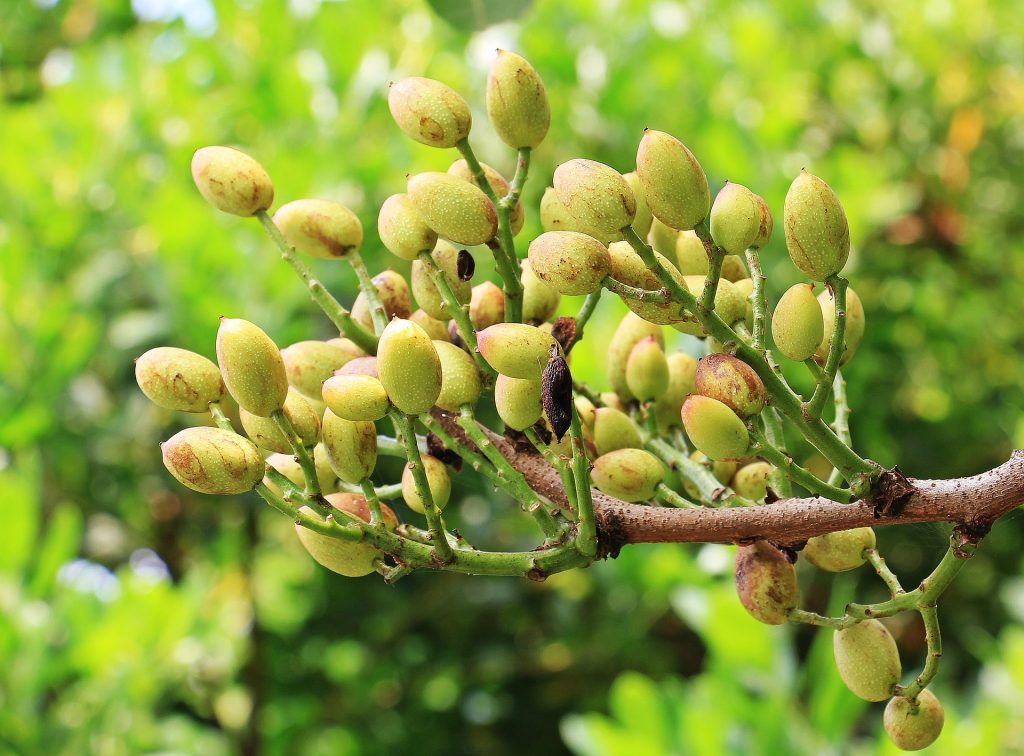
    Pistachios aren’t actually nuts. They are the edible seeds of the Pistachia vera tree, the only one of 11 pistachio species grown commercially. The trees thrive in dry climates and are largely grown in Middle Eastern countries, Italy, Australia, and California’s Central Valley.

    Pistachia vera

    Looking to buy pistachios in Cebu? Check out our page:  Where to buy nuts in Cebu

    Nutritional Facts

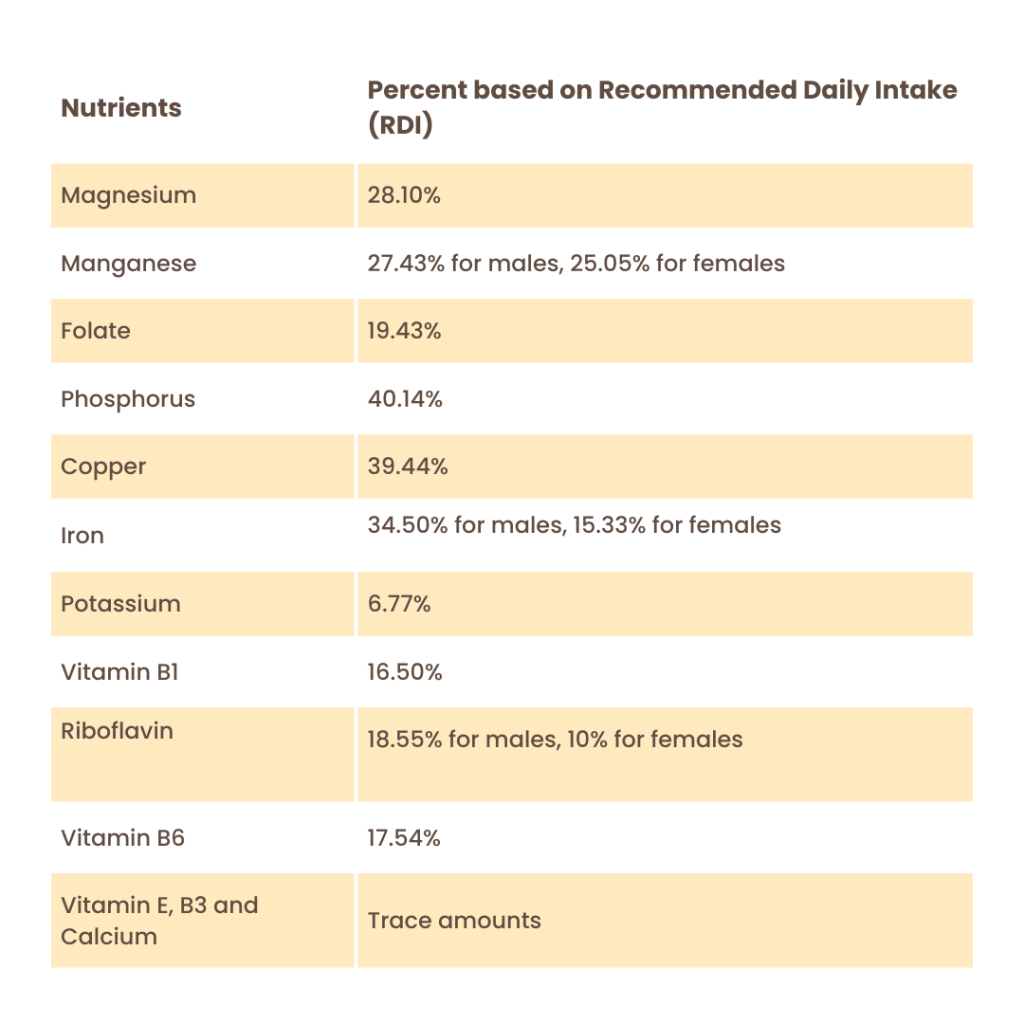
    Each 1-ounce serving of pistachio (about 28 grams or 49 nuts) contains the following:

    • Calories: 159
    • Fiber: 3 grams
    • Protein: 6 grams
    • Carbs: 8 grams
    • Fat: 13 grams 
    • Potassium: 6% of Reference Daily Intake (RDI)
    • Vitamin B6: 28% of RDI
    • Thiamine: 21% of RDI
    • Phosphorous: 11% of RDI
    • Copper: 41% of RDI
    • Manganese: 15% of RDI

    The bright-green nuts contain monosaturated fats (the good type!) which lowers LDL (bad) cholesterol and inflammation. 

    They are also jam-packed with antioxidants, including anthocyanin (protects cells from damage), lutein and zeaxanthin (protects against age-related vision loss), and polyphenols and tocopherols (protect the body against heart disease and cancer).

    Moreover, pistachios are a low-GI food. That means they satiate you for longer and keep your blood glucose levels stable. Their low-calorie content allows you to have more nuts per serve. In comparison, a serving of almonds equals 23 nuts. 

    Of course, anything that’s eaten in excess can be bad for you. 

    A cup of pistachios has about 700 calories, which is more than 25% of the average person’s daily caloric needs to maintain weight. 

    Many pistachio products sold in stores are salted. If you eat half a cup of that, you’ll easily consume up to 400 mg of sodium. That spells trouble for your blood pressure.

    About the author

    Hey, it’s Chenzi! A writer made in Cebu. Stringing words is my bread and butter, but baking and mothering my 3-year-old are what feed my soul. I have an insatiable thirst for learning. 

  • Health Benefits of Chia Seeds

    Chia seeds have been revered as a superfood as far back as 3500 BC. The ancient Aztec warriors believed a tablespoon of this exotic seed helped sustain their energy. “Chia” literally means “strength” in Mayan. 

    Chia (Salvia hispanica) made a strong comeback in the 21st century as people discover more of its health benefits. Fitness buffs believe it helps them build more muscle mass. Marathoners believe it fuels them for an extra mile. And health nuts believe it keeps diseases at bay and aids weight loss.

    The grains are now grown commercially in Mexico, Guatemala, Ecuador, Bolivia, and Argentina. But the biggest producer is Australia, where it is marketed under various brand names.

    Chia Seeds: Nutritional Facts

    White or black, the tiny seeds are packed full of nutrients that do wonders for your body and brain. A one-ounce serving (28 grams or about 2 tablespoons) of chia seeds will give you:

    • Fiber: 11 grams
    • Protein: 4 grams
    • Fat: 9 grams (including 5 grams of omega-3 fatty acids)
    • Carbohydrate: 1 gram
    • Calcium: 18% (based on RDI)
    • Magnesium: 30%
    • Manganese: 30%
    • Phosphorus: 27%
    •  Plus decent amounts of zinc, potassium, vitamin B3 (niacin), vitamin B1 (thiamine), and vitamin B12.

    In comparison, chia seeds have 5 times more calcium than milk, 8 times more omega-3 than salmon, 3 times more iron than spinach, and 3 times more antioxidants than blueberries.

    All that good stuff in just 137 calories. 

    On top of that, chia seeds contain tons of antioxidants that help fight inflammation. They’re gluten-free, too, which is particularly convenient for those wilt dietary restrictions.

    Since they absorb up to 12 times their weight in water, eating the seeds is helpful if you’ve got digestive problems.

    How to Eat Chia Seeds

    The seeds don’t have a particularly strong flavour. So it’s easy to add them to your usual snacks or meals. 

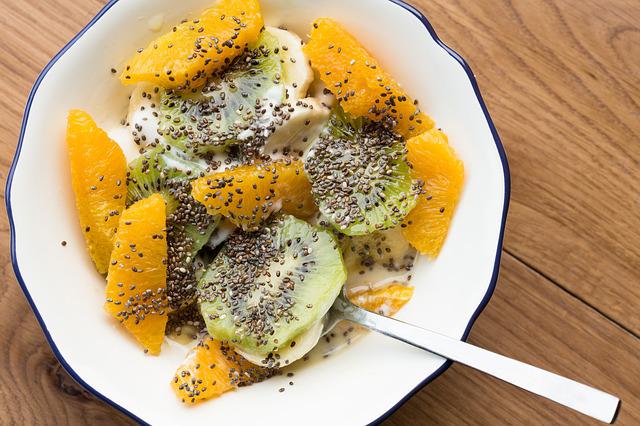
    Chia seeds are a whole-grain food. Unlike flax seeds, you don’t need to grind them to get that nutritional punch. They can be eaten dry, like when sprinkled on top of a salad. But, usually, they are mixed into yogurt, overnight oats, or smoothies. 

    When mixed with liquid, chia seeds swell up and congeal. This makes them a great substitute for eggs in vegan desserts and baked goodies. 

    Now, you can bet anything with the “organic” label and “superfood” status is going to be expensive. But despite the large price tag, a small bag of chia seeds will last for ages.

    Unless you’re an athlete, the common dosage recommendation is about 1.5 tablespoons (20g) twice per day. A little goes a long way.

    Bad Side Effects?

    Chia does have some not-so-good properties. Plant sources of omega-3s usually contain ALA, which is an inactive form that the human body is not able to convert or use well. The omega-3s in chia can work to lower your blood pressure. But if you have low blood sugar, this side effect can cause your blood to thin out too much which leads to health issues like nausea, blurred vision, and even depression.

    Because chia seeds are rich in fiber, overconsumption can also lead to stomach and gastrointestinal issues (read: constipation, bloating, gas!).

    Although rarely, chia seeds can also cause allergies. It’s not generally recommended for those with a nut or seed allergy.

    About the author

    Hey, it’s Chenzi! A writer made in Cebu. Stringing words is my bread and butter, but baking and mothering my 3-year-old are what feed my soul. I have an insatiable thirst for learning.