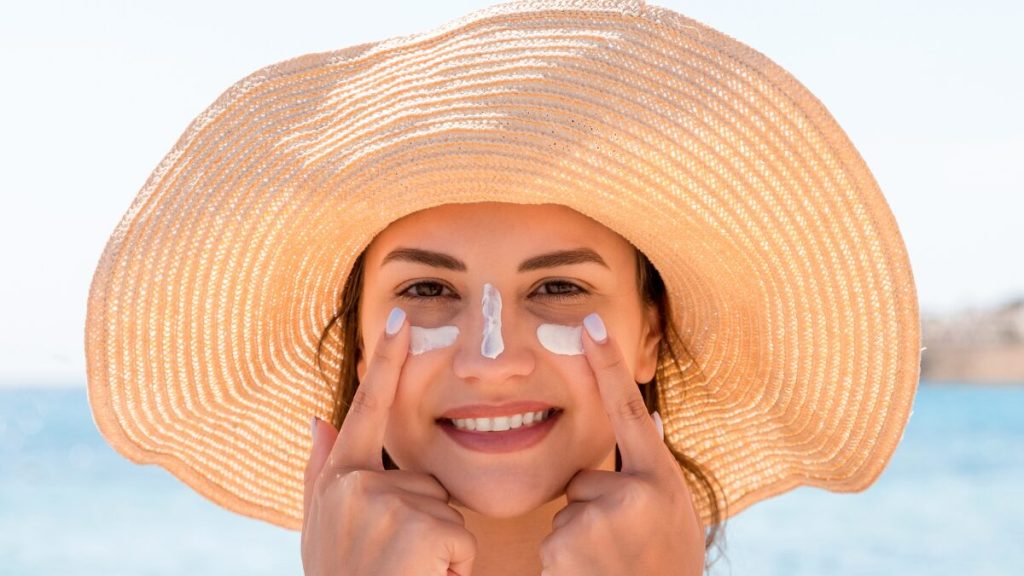
This guide has the best sunscreen for tropical vacations to help you ditch the “lobster look.” Outsmart UV rays with the right sunscreen.
I’m sprawled on a beach towel, a half-finished Murakami novel beside me. The scent of coconut oil and saltwater hangs in the air. It should be idyllic. Well, except for that creeping prickle on my shoulders. I know the drill. By tomorrow, I’ll be shedding skin like an overworked tech lizard, a not-so-subtle reminder that “crispy” isn’t the tropical vacation vibe I aim for.
As a digital nomad with a penchant for slow travel, I’ve learned my sunburn lessons the hard way. Freckles have multiplied, fine lines seem to deepen with each island-hopping adventure, and I now see those warnings about premature aging in a whole new light.
Digital nomads are wired a little differently. We embrace the unknown and crave those off-the-grid experiences. But when it comes to the sun’s relentless rays, playing it safe is the smartest strategy. That’s why I want to find the best sunscreen for tropical vacations. Because, ditching the sunburn means more time exploring, more energy for writing that next pitch, and a chance to age (somewhat) gracefully.
Full transparency – a few of the links within this post might lead you toward booking sites or product pages. I may earn a small commission if you choose to use these links. Of course, there’s never any pressure, and it doesn’t affect the price. I include these links because These services or products can add something special to your Cebu experience. I consider them carefully, always aiming to help you plan the most enriching trip possible.
Why Sunscreen Matters for Digital Nomads
I don’t embody that bronzed, beach goddess vibe. My natural habitat is a dimly lit café with my laptop, not a sun-drenched hammock. But in the tropics, the sun beams down with the intensity of a thousand Sauron eyeballs. Sunscreen is less a beauty option and more a survival skill. Here’s why we digital nomads need to take sun protection way more seriously than your average cubicle dweller:
Long Working Hours + Tropical Sun = Skin Disaster
Unlike those folks with sensible 9-5 jobs, digital nomads don’t clock off when the sun is most scorching. Deep in the throes of a deadline, it’s easy to forget that UV rays don’t care about your client emails. Hours spent tapping away on a balcony, or under a palapa with questionable shade coverage, can result to serious sun damage.
The Revenge of ‘Indoor Tanning’ – Why Digital Nomads Need Extra Protection
I didn’t spend my teenage years slathered in baby oil like some misguided rotisserie chicken. But years of sitting hunched under fluorescent lights have left me with the complexion of a cave-dwelling mushroom. That kind of pasty, sun-starved skin is extra vulnerable in the tropics. Think less “sun-kissed glow” and more “lobster with a laptop”.
Premature Aging: Not Just a Tech Problem
We all know that staring at screens for hours on end ages you faster than an all-nighter. But add a dose of unprotected sun exposure, and you have a recipe for wrinkles and sunspots.
Sun protection isn’t just about avoiding that painful, peeling sunburn that ruins the first few days of your vacation. It’s about safeguarding your skin for the long haul. Because we digital nomads plan to explore, work, and seek out the best wi-fi cafes the world has to offer for many years to come. Think of sunscreen as your anti-aging potion, your shield against looking like an old parchment map. This article will help you find the best sunscreen for tropical vacation adventures!
Choosing the Right Sunscreen
I stare at the sunscreen aisle, a bewildering array of lotions and sprays. They promise everything from invisibility to immortality (well, maybe not that last one). As a digital nomad, I need more than marketing magic. I need sun protection that works as hard as I do. I need a weapon that can withstand tropical climates and those days when my laptop is my constant companion. Let’s break down the essentials for choosing the best sunscreen for a tropical vacation.
SPF: The Numbers Game Decoded
SPF, or Sun Protection Factor, is like a forcefield rating for your skin. Higher numbers mean longer defense time against UVB rays (the ones responsible for burning). You might think SPF 100 is invincible, but it’s a diminishing return. SPF 30 is generally sufficient, SPF 50 ideal – the difference between blocking around 97% vs 98% of UVB rays. Dermatologists (and my sun-sensitive skin) will tell me never to go below SPF 30.
Broad Spectrum: Your Shield Against All the Rays
UVB rays are the sunburn culprits, but there’s the sneaky UVA too. It causes premature aging and wrinkles. Broad Spectrum sunscreen blocks both. Look for those words on the label.
Sweat-Proof, Water-Resistant, Non-Greasy: Sunscreen for the Active Nomad
Tropical vacations aren’t about sitting still. Whether I’m chasing waterfalls or typing up a storm on a beachfront balcony, I need sunscreen that sticks. “Sweat-proof” usually means better adherence, and “water-resistant” indicates how long it lasts before reapplication (usually 40-80 minutes if you’re in and out of the water). No one wants to resemble a glazed donut by lunchtime, so look for formulas labeled “non-greasy” or “matte.”
Mineral vs. Chemical Sunscreens: Which is Best for You?
I get antsy when I linger too long in one place. But my skin? It has a different agenda. Constant changes in climate and environment trigger every sensitivity it possesses. There’s a reason mineral sunscreens became my travel holy grail. They’re not without quirks, but for me, the peace of mind outweighs any minor inconvenience.
The Gentle Touch: Pros and Cons of Mineral Sunscreen
Call them the bouncers of the skincare world. Mineral sunscreens use ingredients like zinc oxide and titanium dioxide. These sit on your skin like a reflective shield, blocking UV rays.
- Pros: Broad-spectrum protection, less chance of irritation (perfect for my easily angered skin), and they often work immediately. Plus, most are reef-safe. It’s important when you’re an island-hopping nomad.
- Cons: They can leave a white cast, especially on darker skin tones (though newer formulas are better). They might feel heavy, especially if you’re prone to sweating in tropical climates.
Chemical Reactions: Benefits and Drawbacks
Think of chemical sunscreens as undercover agents. They absorb into the skin and transform UV rays into less harmful heat. Think of popular ingredients like avobenzone and oxybenzone.
- Pros: They’re lightweight and spread easily, ideal for humid climates. They come in clear formulas that work for all skin tones. They’re sometimes cheaper, which matters on a nomad budget.
- Cons: Some people find them irritating. Not all are reef-safe (a big no-no for eco-conscious nomads!). And, they take time to start working – apply about 20 minutes before sun exposure.
While mineral sunscreens are my preference, the “best” sunscreen for tropical vacations is one you’ll be happy to use. Period. Look for broad-spectrum, SPF 30+, and find a formula that plays nice with your skin. Don’t get bogged down in the chemical vs. mineral debate – focus on the adventure, not the sunburn.
Skin Type Considerations
Tropical vacations, as blissful as they are, can play havoc with your complexion. So, choosing the right sunscreen is part art, part science, and a necessity I learned the hard way. Here’s your insider’s guide to picking the best sunscreen for a tropical vacation, tailored to your specific skin type:
Sunscreen for Oily/Acne-Prone Skin: Your Breakout-Free Vacation
The right sunscreen can be your unexpected ally. Opt for lightweight, oil-free formulas labeled “non-comedogenic” (translation: won’t clog your pores). Look for ingredients like zinc oxide or titanium dioxide, which are less irritating.
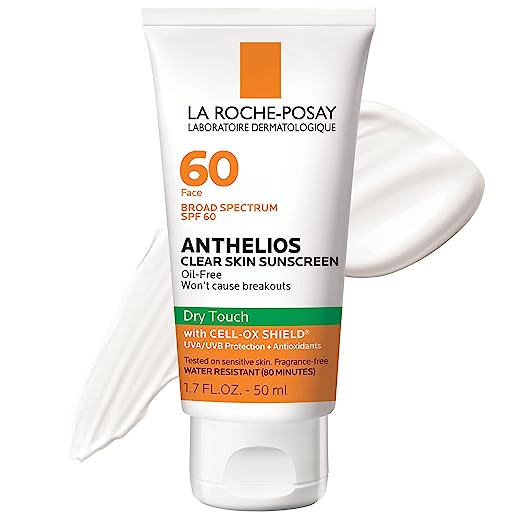
La Roche-Posay Anthelios Clear Skin Dry Touch Sunscreen
La Roche-Posay Anthelios is my force field. It’s lightweight, matte, and won’t clog my pores – essential for those humid island escapades. Plus, zero white cast means I can ditch the ghostly look for a healthy, intentional tan.
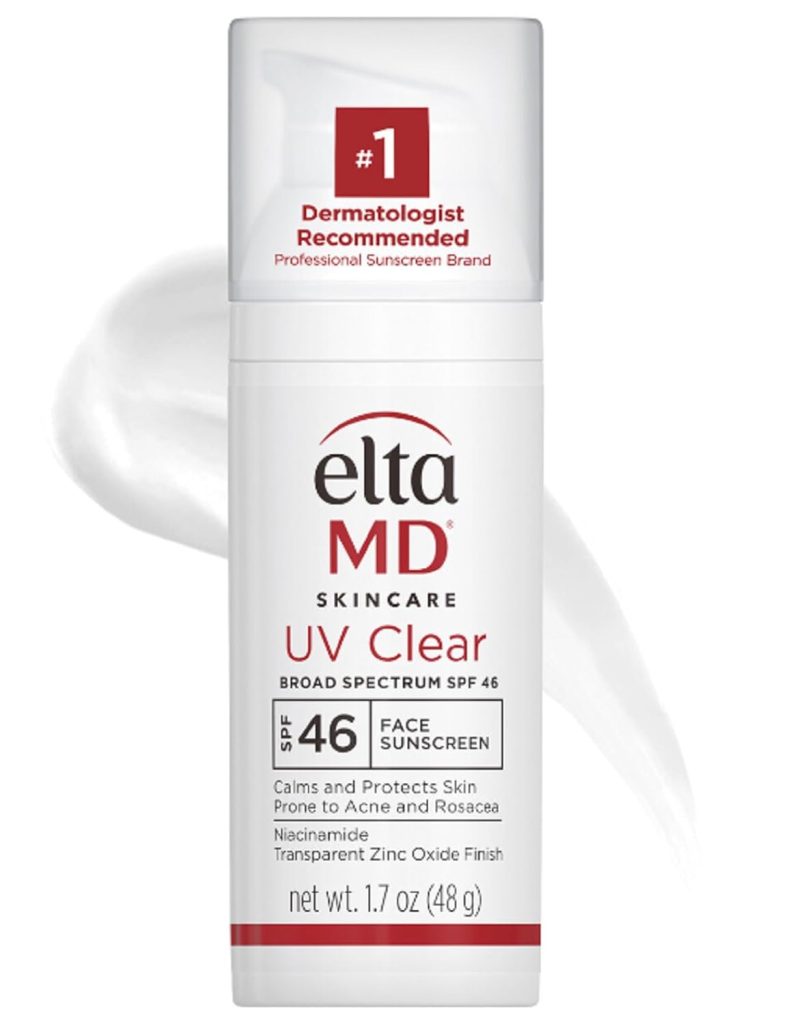
EltaMD UV Clear Facial Sunscreen Broad-Spectrum SPF 46
The EltaMD UV Clear is a digital nomad’s holy grail. It’s lightweight, invisible, guarding against the harsh sun. Niacinamide soothes breakouts, zinc oxide shields like chainmail, and hyaluronic acid draws moisture.
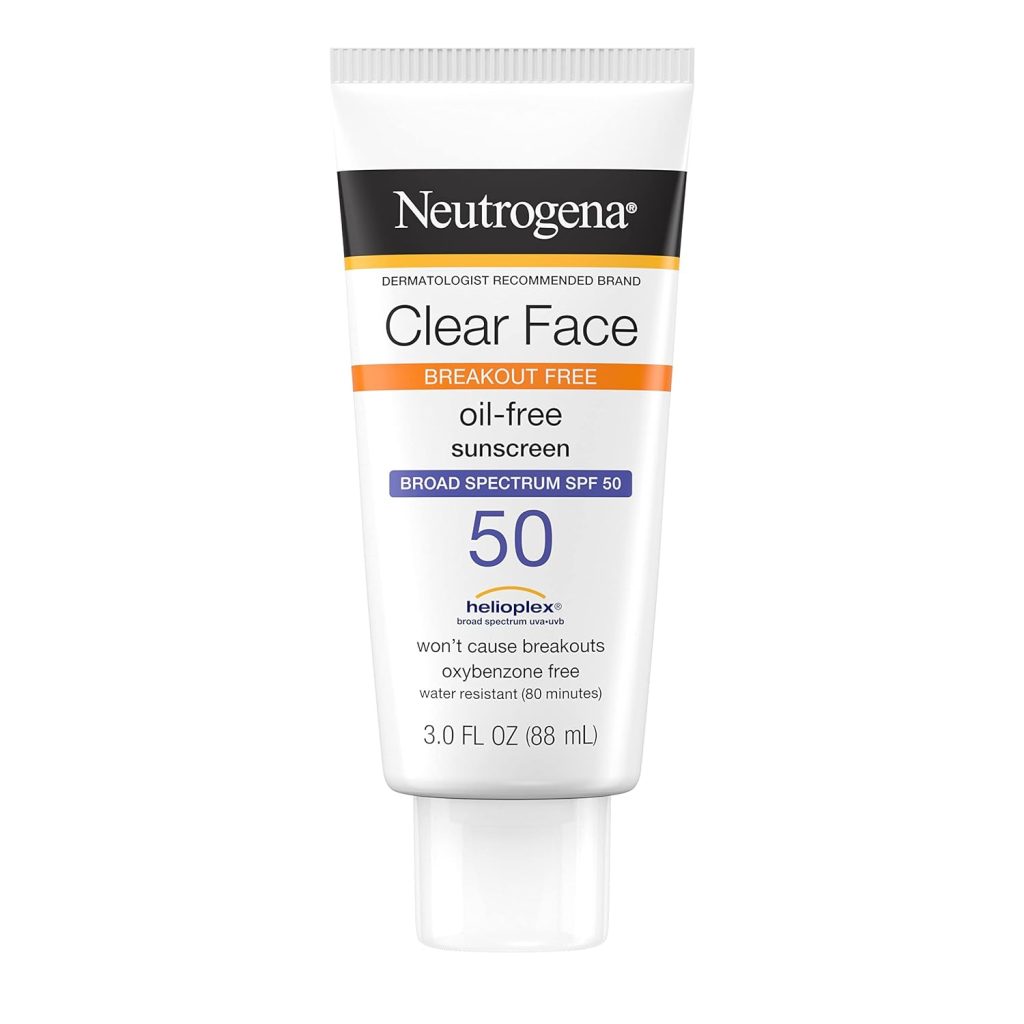
Neutrogena Clear Face Liquid Lotion Sunscreen for Acne-Prone Skin
Tropical vacations mean sun, fun, and sometimes unpredictable skin adventures. Neutrogena Clear Face Liquid Lotion Sunscreen is a great choice because it’s oil-free and won’t clog pores, preventing those pesky breakouts. Plus, it offers strong sun protection with a lightweight feel, so you stay comfortable even in the heat!
Sensitive Skin Solutions: Sun Protection Without Irritation
My skin reacts to just about everything. For years, finding the perfect sunscreen felt like navigating a minefield. My research and experiments taught me to go minimalist. Look for mineral sunscreens with zinc oxide or titanium dioxide as the active ingredients. Avoid fragrances, harsh chemicals, and complicated formulas.
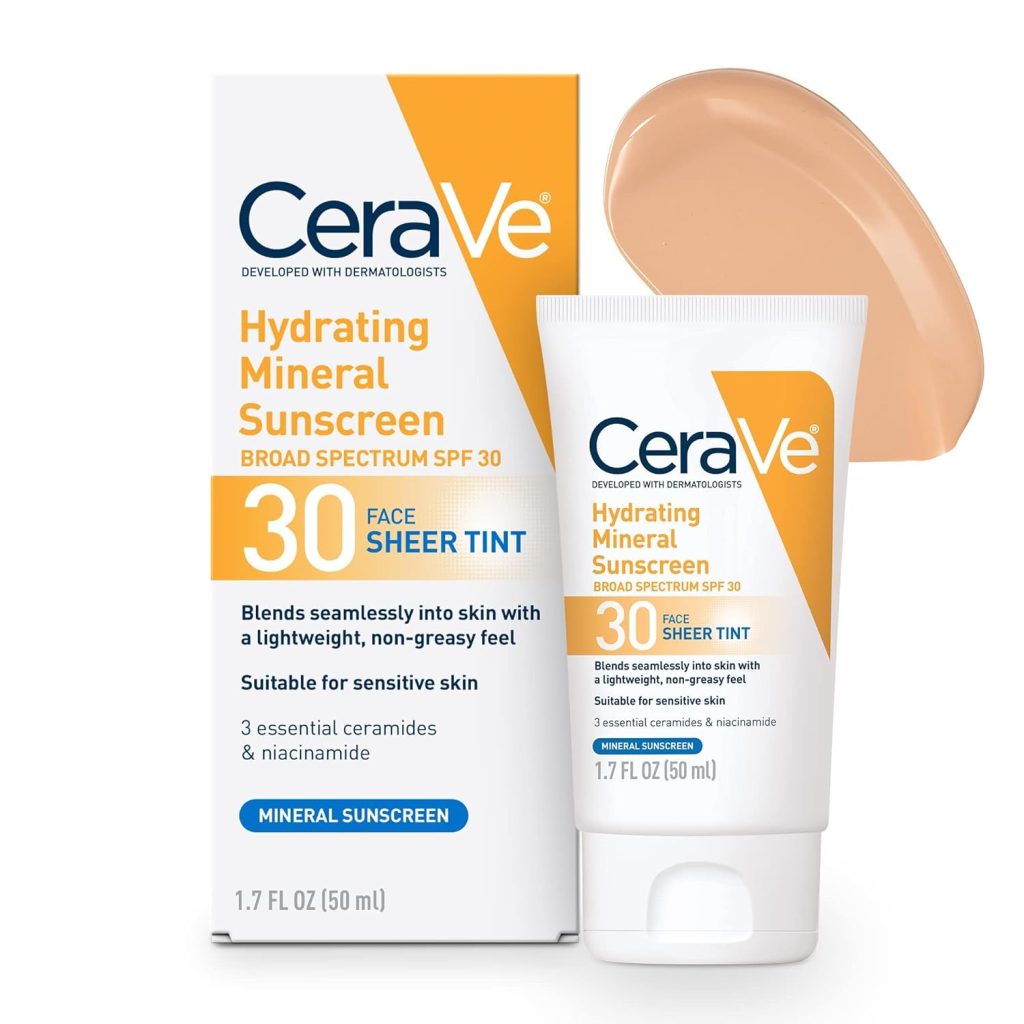
CeraVe Hydrating Mineral Sunscreen with Sheer Tint
CeraVe Hydrating Mineral Sunscreen with Sheer Tint is a great choice for tropical trips because it offers strong mineral-based protection without the greasy feel or white cast. Plus, it’s packed with hydrating ingredients for comfortable wear all day long – perfect for exploring without the worry of sun damage.
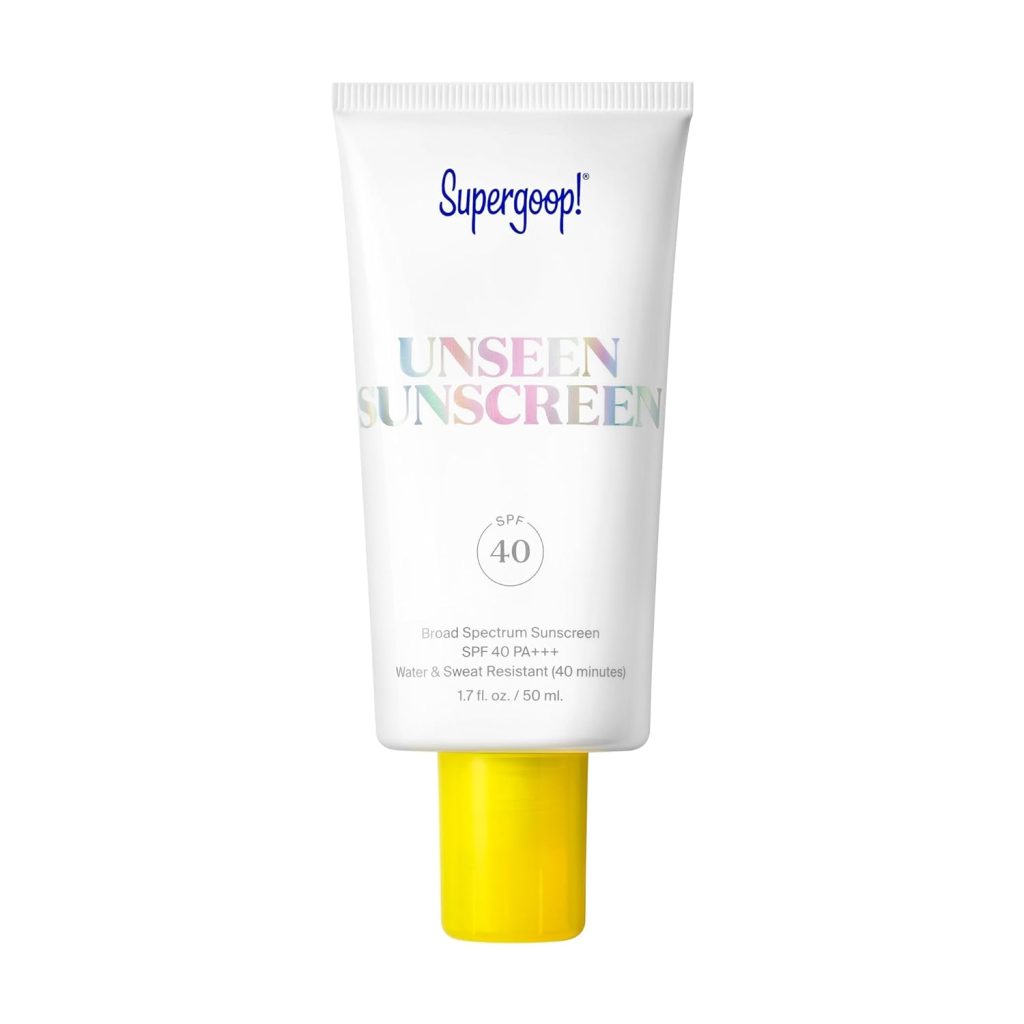
Supergoop! Unseen Sunscreen SPF 40
Supergoop! Unseen Sunscreen is lightweight, clear, and works like a makeup primer – no greasy feeling or white cast! It’s also reef-safe, which protects those gorgeous destinations we love. Perfect for adventurers who want to have fun but stay protected from the harsh tropical sun.
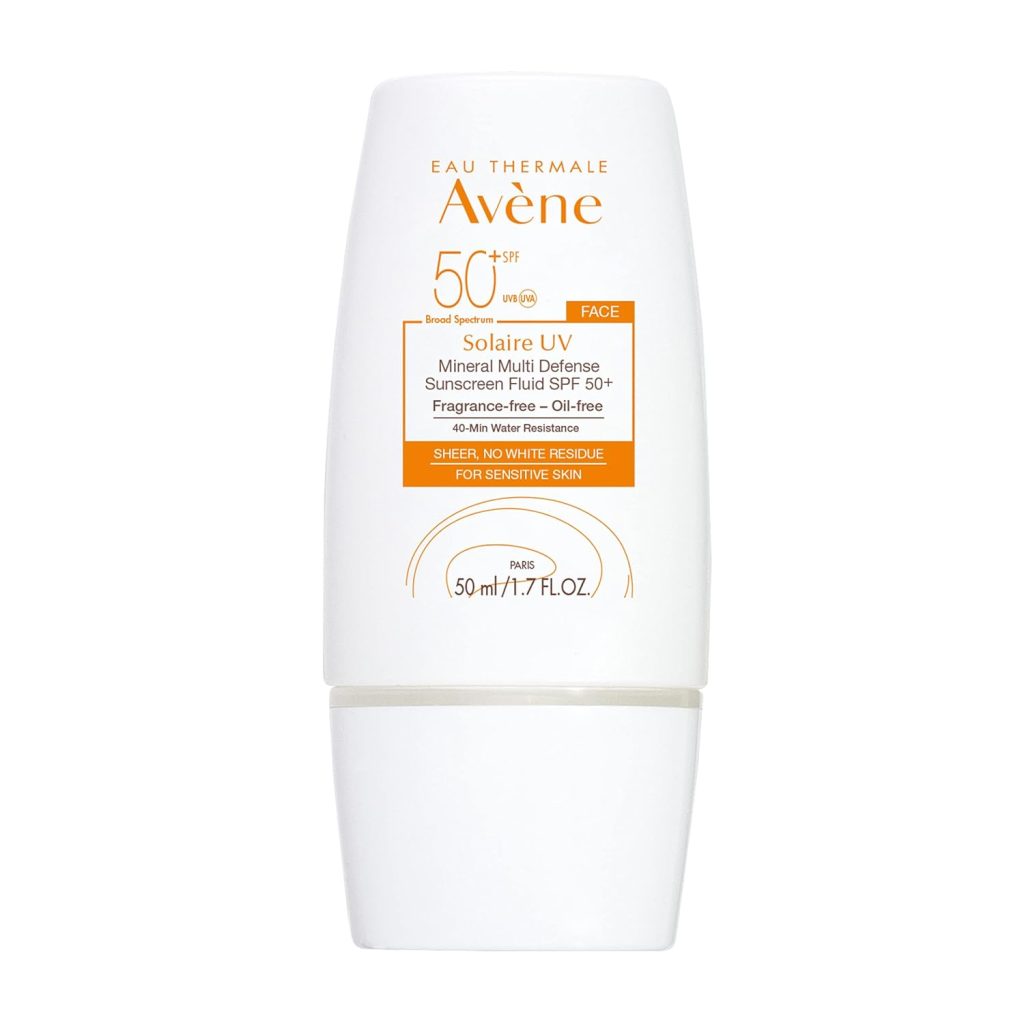
Eau Thermale Avene Solaire UV Mineral Multi-Defense Sunscreen Fluid SPF 50+
Eau Thermale Avene Solaire UV Mineral Multi-Defense Sunscreen Fluid SPF 50+ stands out because it’s mineral-based (gentle on sensitive skin), offers broad-spectrum protection, and leaves no greasy white cast – ideal for hot, humid climates!
Dry Skin Delight: Sunscreens that Hydrate and Protect
Tropical heat can dehydrate your skin, even if you’re sipping coconuts all day. For dry skin, seek sunscreens with moisturizing ingredients like hyaluronic acid, glycerin, or ceramides. Look for hydrating or moisturizing on the label.
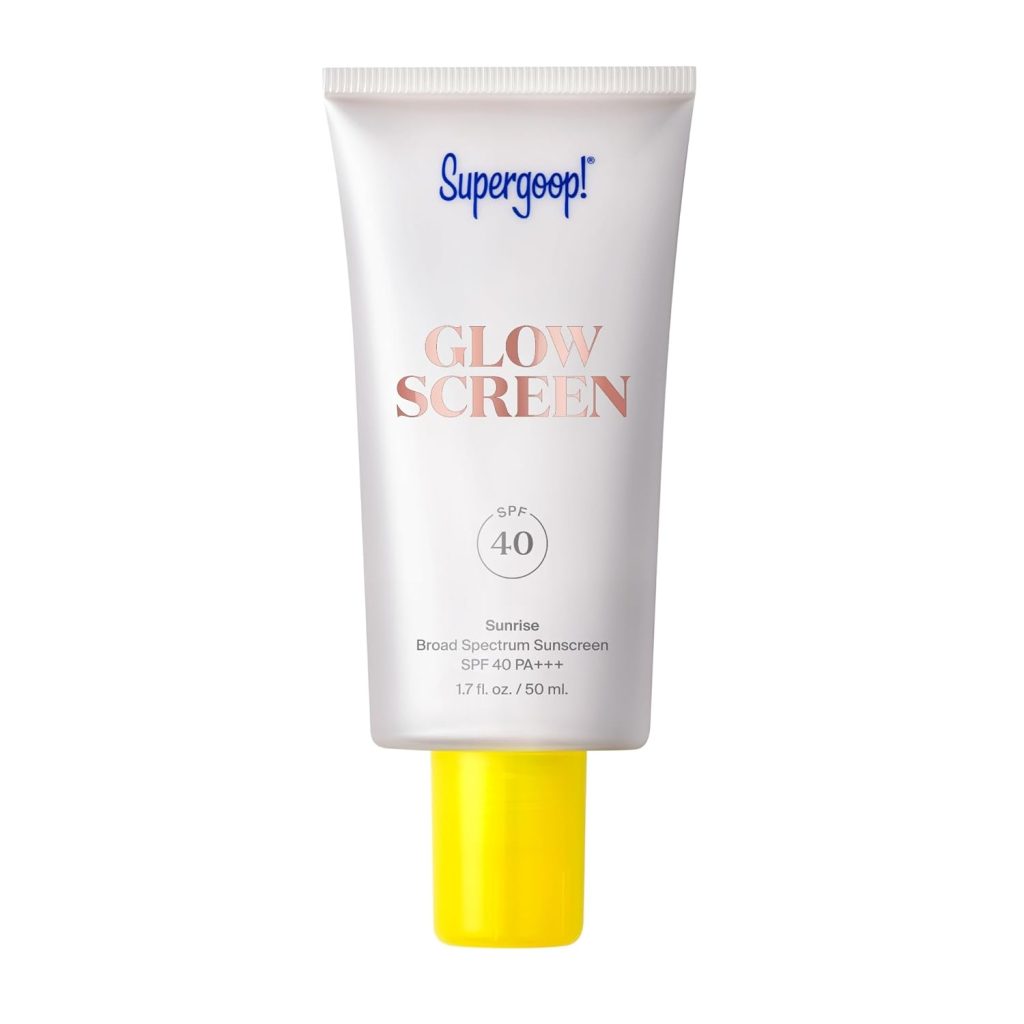
Supergoop! Glowscreen SPF 40
Supergoop! Glowscreen SPF 40 is a lifesaver for dry skin in tropical climates! It’s packed with hyaluronic acid for serious hydration while still giving you that sun-kissed glow. Plus, the formula feels super lightweight – perfect for hot and humid adventures.
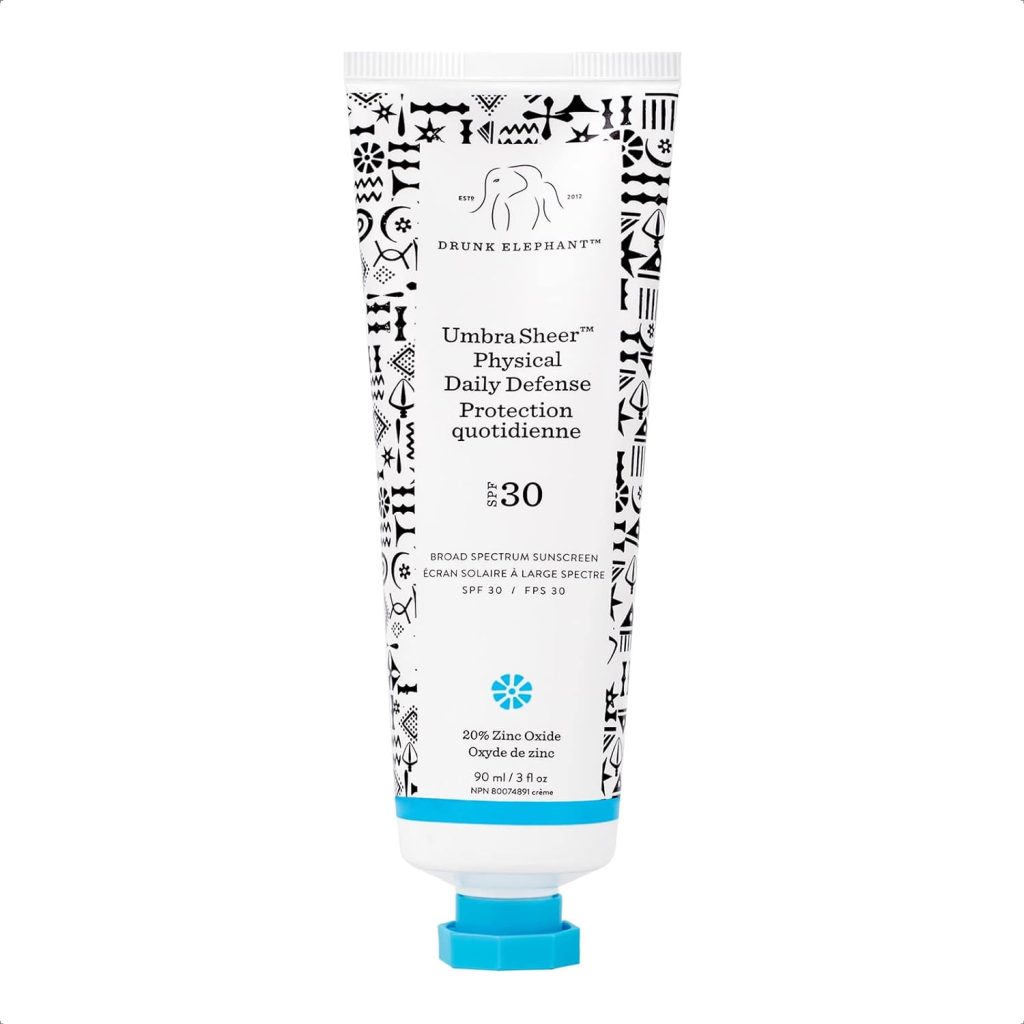
Drunk Elephant Umbra Sheer Physical Daily Defense SPF 30
Dry skin in the tropics can be a nightmare! Drunk Elephant Umbra Sheer is a lifesaver because it’s a mineral sunscreen packed with moisturizing ingredients like marula oil. It gives you serious sun protection without that chalky, drying feeling – perfect for keeping your skin happy on your adventures.
Patch-test any new sunscreen on a small area of your inner arm before slathering it all over your face. Because while a sunburn might ruin your vacation photos, an unexpected breakout can haunt you long after you unpack your suitcase.
Beyond the Basics: Additional Sun Protection Tips
Sometimes you need more than the best sunscreen for tropical vacations. I believe in a multi-pronged approach to sun protection. It’s about working smarter, not harder. Here’s how to level up your sun defense game:
Sun-Smart Fashion Choices: Hats, Sunglasses, and UPF Clothing
Think of your wide-brimmed hat not just as a chic accessory, but as a portable shade sanctuary. Bonus points if it’s a packable straw hat – perfect for squeezing into your carry-on. Sunglasses aren’t just about shielding your eyes; they protect the delicate surrounding skin, helping ward off those dreaded crow’s feet. And UPF clothing? It’s like SPF on steroids for your body. Look for lightweight, breathable fabrics designed with sun protection in mind.
Seeking Shade: Your Midday Escape Strategy
Remember that scene in “Eat, Pray, Love” where Julia Roberts strolls through a sun-drenched Italian piazza, but wisely ducks into shaded archways? Channel your inner Elizabeth Gilbert during the midday hours. Pop into a cute cafe, explore a local museum, or take a refreshing dip in the pool. Think of shade breaks as strategic retreats, not missed opportunities.
Timing is Everything: Avoiding Peak Sun Hours
I’ve learned the hard way that sunrise beach walks are my skin’s best friend. Generally, 10 a.m. to 4 p.m. is prime sunburn territory. Plan your outdoor adventures accordingly. Embrace those glorious early mornings and savor the magical glow of sunset, leaving the intense midday sun to those who relish the crispiness of an overcooked french fry.
Tropical Vacation Sunscreen Must-Haves
I know a thing or two about pinching pesos, especially after an impulsive purchase of a vintage paperback at that tiny bookstore down the street. But skimping on sunscreen in the tropics? It’s a recipe for regret that lingers longer than a sunburn. Here’s how to safeguard your skin without raiding your vacation fund:
Best Budget-Friendly Sunscreens for the Savvy Nomad
Don’t let hefty price tags fool you. Affordable protection exists. Look for brands like Nivea Sun or Belo – local favorites with surprisingly good formulas. My skin tends toward oiliness, so I lean on Belo’s offerings. Their formulas feel light and play well under makeup. They get bonus points for being widely available. You won’t spend precious vacation time hunting them down.
Multitasking Products: Sunscreen + Moisturizer
As an avowed minimalist, combo products are my jam. They streamline my morning routine without compromising on protection. A personal favorite is the Cetaphil Daily Facial Moisturizer with SPF 50+. It’s fragrance-free, won’t clog pores, and leaves a comfortable finish – a lifesaver amidst the humidity.
Reef-Safe Sunscreens: Protecting Paradise and Your Skin
I believe in leaving places better than I found them. That extends to the vibrant reefs found throughout Southeast Asia. Sunscreens containing chemicals like oxybenzone and octinoxate wreak havoc on fragile marine ecosystems. Opt for mineral-based formulas, identifiable by ingredients like zinc oxide. Stream2Sea is a fantastic brand, with dedicated reef-safe options that don’t feel heavy or leave a white cast – a win-win for our skin and the oceans.
Travel-Sized Options for the Minimalist Packer
Lugging a giant bottle of sunscreen is like admitting travel defeat. Avoid checked baggage drama with pocket-sized powerhouses. Brands like Supergoop! offer TSA-friendly minis with elegant formulas. Those cute tubes fit neatly into my favorite crossbody bag, so I’m never caught without protection.
Sunscreen Application Tips for Flawless Protection
I measure out my morning coffee with the precision of a chemist. That meticulousness comes in handy when it comes to sunscreen. A haphazard smear won’t cut it in the tropics – you need a strategy.
How Much Sunscreen is Enough? A Visual Guide
Think of a shot glass. Now fill it with sunscreen. That’s about the amount you need for your full body. Yes, it seems excessive. But skimping leads to uneven protection and that dreaded vacation sunburn. For your face, a nickel-sized dollop is the rule of thumb.
Don’t Forget the Forgotten Spots: Ears, Lips, & Scalp
Ears get crispy, lips blister, and a sunburned scalp is miserable. These spots are easily overlooked. Opt for a lip balm with SPF (I favor Supergoop! Play Lip Balm SPF 30) and a wide-brimmed hat when the sun is fierce.
Reapplication Reminders: Stay Protected All Day
Sunscreen is not a one-and-done deal, especially when exploring in the tropical heat. Aim to reapply every two hours, and sooner if you’re sweating or swimming. For touch-ups, a powder sunscreen is a nomad’s best friend. (Brush on Block SPF 30 is my go-to).
Remember, even the best sunscreen for tropical vacations can only do so much. A little common sense – seeking shade, strategic timing – goes a long way in keeping that digital nomad glow healthy, not scorched.
Dealing with Sunburn: When Prevention Fails
Despite my best intentions, I’ve fallen prey to the tropical sun’s siren song. It happens. That creeping flush, the subtle sting – yup, I’ve officially entered sunburn territory yet again. Let’s chalk it up to being too engrossed in a good book or underestimating the cloud cover’s deceptive powers.
Soothing Remedies for the “Oops, I Forgot” Moment
- Cool Compress: Nothing beats the instant relief of a damp, cool washcloth applied to the burn. Think of it as a mini-vacation for your scorched skin.
- Aloe Vera: Nature’s Burn Balm: This succulent gel is a classic for a good reason. Opt for a pure aloe vera product like Seven Minerals Travel Size Organic Aloe Vera Spray. Slather it on liberally.
- Hydration is Key: Sunburns dehydrate the skin, so replenish fluids by drinking plenty of water. Add a touch of class with slices of cucumber or mint for an oh-so-spa-like vibe.
- OTC Relief: If the discomfort is too much, ibuprofen or naproxen can help reduce inflammation and pain. Just avoid topical pain relievers – they could further irritate your skin.
After-Sun Care for Long-Term Skin Health
- Moisturize, Moisturize, Moisturize: Sun-damaged skin craves hydration. Reach for a gentle, fragrance-free moisturizer like CeraVe Moisturizing Cream to prevent dryness and peeling.
- Embrace the Shade: Treat your skin with extra kindness. Indoor adventures and seeking shade outdoors are your best bet for the next few days. Consider rescheduling that epic hike under the blazing sun.
- Hands Off: As tempting as it is, resist peeling or picking at the sunburn. This will only hinder healing. Trust that your skin knows what it’s doing, even if it temporarily involves a slightly reptilian aesthetic.
Remember, prevention is always the best sunscreen for tropical vacations.
FAQs
Yes! Aim for SPF 30 or higher, and reapply often – the intensity is stronger near the equator.
While possible, facial sunscreens are designed for sensitive skin and less likely to clog pores.
Look for options labeled “non-comedogenic” (won’t clog pores) and apply generously before makeup.
Absolutely! It protects delicate coral reefs essential to marine life when you swim or snorkel.
Look for “oil-free” and “non-comedogenic” labels – they won’t clog pores. Gel formulas are also lighter.
Yes! Reapply every 2 hours, or more often after swimming or sweating.
Some can! Opt for clear formulas or tinted sunscreens that blend into your skin.
Not usually. Makeup with SPF is a bonus, but use proper sunscreen underneath.
They can be, but check independent testing to ensure reliable broad-spectrum protection.
Seek shade, cover up with clothes, and soothe the burn with aloe vera later.
Parting Thoughts
Tropical adventures call for a balance of abandon and careful planning. I savor the lazy sway of hammock naps under rustling palm fronds. The warmth of the sun on my skin signals pure relaxation. Yet, years spent under this harsh paradise sun have taught me a timeless lesson – there’s a fine line between a sun-kissed glow and resembling a worn leather satchel.
A mindful nomad knows sunscreen is as essential as a good laptop charger. Invest in a high-quality broad-spectrum option. Embrace the sun, but do so wisely. It’s sustainable, mindful adventuring. Think of it as pre-emptive skincare, like backing up your hard drive before a big project.
And hey, if you’re craving a more in-depth guide to mastering that “dewy, not sweaty” look in the tropics, I wrote a whole thing about it: “Skincare For Tropical Climate.” Spoiler alert: It involves more than slathering on the best sunscreen for tropical vacations. Because a digital nomad’s best accessory is radiantly healthy skin, no matter the time zone.