Discovering Cebu

Category: Coworking

  • Proven Strategies For Igniting Business Owner Mindset In Cebu

    Discover how the business owner mindset can transform your digital nomad life in Cebu. Learn tips and inspiration. Build your dream business.

    The Philippines is rising as a hub for female entrepreneurs. Over 99% of businesses in the Philippines are Medium, Small, and Micro Enterprises (MSMEs). Women run 54% of these MSMEs. 

    Yet, some think that travel and work don’t mix, but a business owner mindset can help balance both. It leads to financial control and the ability to choose the pace and impact of work. 

    This article shares strategies for launching business dreams in Cebu while also protecting your cyber safety and inner peace.

    What Does Having a Business Owner Mindset Mean?

    I used to believe the road to becoming a business owner was paved with sleek business plans and ironclad time management. Then Cebu happened, and my well-entrenched notions went out the window. I began to learn the essence of a true business owner mindset. And it lies in embracing an incredible set of contradictions.

    Growth Mindset 

    Curtis J. Morley, in “The Entrepreneur’s Paradox“, puts it brilliantly: the successful entrepreneur must be a visionary and a detail-obsessed micromanager, a bold risk-taker, and a cautious planner. Initially, this felt maddening. How do you embody these opposing forces? But as I witnessed Cebuano vendors haggling over prices, yet always with a twinkle in their eyes, I realized the key isn’t in resolving the tension, but learning to navigate it.

    This tactical maneuver requires a specific kind of mental agility, something Carol S. Dweck explores in “Mindset“. It’s the difference between the fixed mindset and the growth mindset. Cebu jolts you into a growth mindset – one day you’re bargaining at Carbon Market,the next you’re lost in a maze of backstreets. It’s humbling, and ultimately, transformative.

    But transformation without a roadmap is just aimless wandering. Here’s where Eric Ries’s “The Lean Startup” philosophy has been my salvation. It’s about building a business with constant iteration – testing assumptions, pivoting quickly, embracing the power of ‘good enough’ when perfection is the enemy of progress. Cebu is an ideal laboratory for this. Resources can be scarce, plans change on a whim…perfect conditions to hone the art of lean, scrappy entrepreneurship.

    Challenging the Status Quo

    Mark S. Walton in “Boundless Potential“, advocates for questioning the status quo. As digital nomads, we already do that geographically, but what about the mental status quo? Cebu forces you to confront it head-on. Why work grueling hours when a swim at sunset might spark your next breakthrough? Why build a business that replicates a corporate structure when you could forge a model suited to your lifestyle?

    This soul-searching is where Paul Jarvis’s concept of a “Company of One” resonates deeply. It isn’t about staying small,but about staying true to your core values and building a business that nourishes you, not depletes you. Cebu, with its slower pace and strong sense of community, can be the perfect incubator for such a deliberately crafted venture.

    The journey, of course, continues. Some days the contradictions threaten to overwhelm. Then I catch a glimpse of a sari-sari store owner, balancing inventory with a warm smile for a customer, and I’m reminded: the business owner mindset is a state of constant flux, of relentless questioning, and a deep faith that ingenuity is born from the most unexpected of places. Perhaps, that’s Cebu’s greatest lesson of all.

    How Do I Know If I’m Ready to Be an Entrepreneur?

    The question of transitioning from freelancer to entrepreneur has haunted me in quiet cafes, staring at spreadsheets far past a reasonable hour. Here’s what my self-interrogations have revealed:

    Freelancing Feels Like a Straitjacket

    Perhaps you’ve mastered your niche, yet there’s a nagging sense of limitation. The paycheck, while comforting, no longer compensates for the lack of creative control. If this resonates, it’s not a flaw in your freelancing, but the first stirring of an entrepreneurial spirit.

    The Entrepreneurial Self-Inventory

    Before taking the leap, do an honest self-assessment. Do you find yourself analyzing not just your own work, but how businesses operate at large? Do inefficiencies ignite both frustration and a spark of “I could do this better”? These are positive signs.

    However, let’s not romanticize entrepreneurship. If uncertainty makes you short of breath, or if the idea of building something from the ground up fills you with dread, hold fire! Perhaps the greater freedom lies in partnering with someone who possesses complementary skills, rather than shouldering it all yourself.

    Tech Skills with a Twist

    Certain tech specializations lend themselves beautifully to a business model. If you’re a web developer always tweaking template sites, ask: could you create and sell your own superior templates? If you’re a whiz at analytics, are businesses crying out for niche insights only you can extract?

    This transition is not for the faint of heart. It will test your creativity, tenacity, and sanity. Yet, for some of us, the discomfort of remaining a freelancer will eventually outweigh the risks of forging our own path. And in a place like Cebu, with its unique blend of energy and ease, perhaps the risk feels just a little more thrilling than terrifying.

    The journey itself becomes your greatest asset. There’s a Cebuano proverb, “Ang pagpangita og bahandi sama sa pagsaka og bukid” (Finding treasure is like climbing a mountain). Embrace the climb, with all its stumbles and breathtaking views.

    Why is Cebu a Fertile Ground for Female Entrepreneurs?

    Cebu has always felt like a place brimming with potential, an island where ambition simmers beneath a laid-back facade. This is particularly true for women, I’ve found. While there’s still a way to go in terms of shattering all glass ceilings, Cebu offers a unique environment for cultivating the female entrepreneurial spirit.

    Let’s dissect this landscape:

    • The Rise of the ‘She-E-Os’: There’s a palpable shift happening. More women are visibly leading businesses, from micro-enterprises to tech startups. This isn’t just about tokenism; Cebuanas are proving their business acumen across diverse sectors. Seeing these role models chips away at the ‘this isn’t for me’ mental barrier so many of us face.
    • A Culture of Warm Pragmatism: Cebuanos possess a warmth that opens doors for networking and collaboration. But alongside this is a pragmatism born of necessity in an island economy – they get things done. This combination is empowering for women. There’s less performative aggression than you might find in larger business hubs, and more focus on building genuine support systems.
    • The Resourcefulness Factor:  One can never feel too far from the grassroots in Cebu. This translates into a spirit of resourcefulness – making the most with what you have, finding creative solutions – essential for any entrepreneur. The city is compact enough to navigate bureaucracy, yet vibrant enough to find niche markets and test ideas.

    There’s something empowering about seeing a woman haggle with incredible charm at Carbon Market, then find her later that day presenting a polished pitch deck at a tech meetup. Cebu allows for this fluidity. 

    What industries are booming in Cebu right now, and how can I find my niche?

    Cebu thrums with a peculiar energy – ambition tempered by the warmth of the Bisaya accent. This mix makes it an exciting place to build a business, particularly for someone like myself, with a digital skillset and an eye for the unusual. Let’s dissect some of these thriving industries and how to find your own place within them:

    • The Outsourcing Behemoth: Cebu is a major hub for the Business Process Outsourcing (BPO) sector. Call centers and back-office operations abound. But don’t dismiss this out of hand. Think of BPOs like intricate organisms – they need specialized support systems. Could you create software streamlining their HR processes? Design training materials with global appeal? This requires insider insight, which can be gained through networking or even a short-term stint within the industry.
    • Tourism’s Tentacles:  Travelers flock to Cebu’s beaches, but there’s opportunity beyond the sun lounger. Can you build booking platforms that cater to niche interests (yoga retreats, adventure sports)? Could your design skills elevate the online presence of smaller, unique guesthouses? Cebu’s tourism industry is constantly evolving, offering fertile ground for those with a tech-savvy eye for improvement.
    • Manufacturing Muscle: Less glamorous, perhaps, but Cebu has a solid manufacturing base. This presents a different kind of opportunity. Can you streamline inventory management for small-scale producers? Develop e-commerce solutions to help them reach wider markets?  There’s an entrepreneurial spirit within this sector, eager to embrace innovation.
    • The Real Estate Frenzy: Cebu, like much of the Philippines, is in a constant state of construction. This boom brings both opportunity and concern. Could you create a platform focused on ethical, sustainable housing? Develop tools for virtual property viewings, catering to both locals and overseas investors? The property market is always ripe for disruption, especially with a clear problem-solving focus.

    Analyzing trends isn’t about dry market reports. It’s about becoming a keen observer of everyday life. How do Cebuanos shop, commute, solve problems? Those frustrations contain the seeds of business ideas. The key is to marry your existing tech skills with a deep understanding of local needs. A business owner mindset means finding not just gaps in the market, but potential that fills you with a sense of purpose.

    How Can I Tap into Cebu’s Tourism Industry to Create a Sustainable Business?

    Cebu’s tourism industry, at first, struck me as a realm of grand resorts and packaged experiences. But with a business owner mindset, I began to see the gaps, the subtle frustrations, the missed opportunities to truly connect with a place beyond its Instagrammable surface. That’s where the true potential lies for tech-savvy entrepreneurs.

    • Tech as the Intimate Guide: Think beyond the standard travel app. How can you harness technology to unlock the hidden stories of Cebu? An augmented reality walking tour? An app that matches travelers with local artists based on interests, replacing the impersonal souvenir shop? Even a service streamlining communication between tourists and ethical tour guides in remote areas can add immense value.
    • Globally Minded, Locally Rooted:  The most compelling businesses often solve a local problem with a solution that has universal appeal. Perhaps you’ve struggled with finding authentic Cebuano cuisine amidst tourist traps –– an online platform rating home chefs and providing booking services could be a hit with both locals desiring to share their culture and adventurous travelers. Or, an app facilitating easy and eco-conscious rentals of camping gear, surfboards, or motorbikes taps into the desire for independent exploration while solving a logistical issue for Cebuanos.
    • Partnership, Not Parasitism:  The temptation to simply ‘disrupt’ traditional tourism is a recipe for resentment. Instead, approach existing players with respect. Boutique hotels might see value in partnering with your tech-powered experience platform, bringing guests deeper engagement. Dive operators might jump at software that helps them optimize trip scheduling and client communication, streamlining their business. The most sustainable business models create win-win scenarios, like the symbiotic relationship between the clownfish and the anemone. 

    Cebu’s tourism potential is still being written, and digital nomads with both technical skills and an observant eye are in a prime position to contribute a compelling chapter.

    How can I avoid burnout as a solo entrepreneur in a stimulating place like Cebu?

    Burnout: it’s the unspoken menace lurking beneath the Instagram-perfect image of the digital nomad sipping coconuts while running a global empire. Cebu, with its lure of beaches and fiestas, amplifies the challenge tenfold. I confess, it took me a few scorching cycles of overwork and overwhelm to learn a few counterintuitive lessons.

    Firstly, those boundaries…they’re a beautiful illusion. At least, the rigid “9-to-5, then switch off” kind. As an entrepreneur, your mind is a relentless engine of ideas, even when you’re hiking up Osmeña Peak. The trick is not in suppressing that flow, but channeling it.

    I’ve learned to take digital notes. Inspiration strikes while waiting for my laundry? It goes in my notetaking app, not into an all-night work binge. Cebu forces a different rhythm – you work in bursts, then life pulls you away. Learn to work WITH those interruptions, not against them.

    Secondly, wellness here needs to be tailored to the entrepreneur’s specific anxieties. Generic yoga classes did little for my racing mind. Thankfully, I’ve discovered a few gems: meditation apps. These resources acknowledge the unique pressures we face – they don’t ask you to leave your business owner mindset at the door, they help you sharpen it.

    Finally, there’s the dance with Cebu Time. Islands aren’t big on schedules. Flights get delayed, meetings drift into long lunches. Initially, this drove me mad. But then I realized…there’s opportunity here. I schedule my most demanding tasks for early mornings, when the city is briefly quiet. I embrace afternoon siestas, but wake for an hour or two of focused work in the cool evenings. My productivity soared, because I learned a more fluid rhythm, not despite it. It’s a lesson Filipinos have mastered – the appearance of laid-back ease often masks tremendous adaptability.

    The journey continues, of course. Some days are triumphant, others…well, there’s always strong Cebuano coffee for those. But Cebu, with all its vibrant chaos, has become my unlikely teacher in the art of sustainable ambition.

    How can I balance my business ambitions with enjoying the slow-travel lifestyle that Cebu offers?

    Balancing ambition with the slow travel lifestyle is a constant juggle for me, but it’s a delightful one. I often think of it like the yin and yang symbol, where seemingly opposite forces complement and complete each other.

    Slow entrepreneurship is not just possible, it’s the dream we’re all chasing, isn’t it? The ability to build something meaningful while remaining untethered to a single location. As Cal Newport describes in “Deep Work,” focused, intentional work bursts are far more productive than scattered hours spent at the laptop. Apply this to your Cebu adventure: dedicate solid blocks of time to your business, then fully embrace your free time to explore. Don’t half-work at the beach – it satisfies neither your business nor your wanderlust.

    Cebu offers a unique advantage for this. The island’s slower pace naturally lends itself to longer, focused work sessions,followed by genuine breaks. Use the stunning Chocolate Hills of Bohol, the serene beaches of Bantayan Island, or even a simple sunset stroll along the Cebu City coastline as inspiration. You’ll find that stepping away from your screen often leads to your biggest breakthroughs.

    Remember, your business model can be as flexible as your travel plans. Embracing remote work and outsourcing tasks allows you to enjoy Cebu’s adventures without sacrificing productivity. Consider building a business that caters to the digital nomad community, offering services or products they need. This way, your passion and expertise align with your lifestyle.

    Countless women have already paved the path. Natalie Sisson, the Suitcase Entrepreneur, and Corbett Barr, who created a multi-million dollar blog while traveling, are just a few examples. Don’t just admire their success – study their strategies, adapt their principles, and craft your unique path to slow entrepreneurial bliss in Cebu. You are not alone in this pursuit. Seek out fellow digital nomads and entrepreneurs who share your values. Collaborate, learn from each other, and celebrate your victories – together.

    Parting Thoughts

    Cebu, with its unique blend of bustling opportunities, vibrant culture, and warm community, offers a fertile ground for female digital nomads ready to embrace their inner entrepreneur. It’s a place where the lines between work and life blur in the best way possible, and where inspiration can be found around every corner.

    But don’t wait for the “perfect” moment or the fully-formed business plan. Start with the mindset shift. Take that first,brave step towards owning your vision. As the iconic entrepreneur Reid Hoffman once said, “If you are not embarrassed by the first version of your product, you’ve launched too late.” So dive in, embrace the uncertainty, and let Cebu be your launchpad.

    Speaking of starting something, if you’re ready to take the first step in safeguarding your business, you can read my guide on The Best Laptop Anti-Theft Devices For Digital Nomads.
  • The Best Laptop Anti-Theft Devices For Digital Nomads

    Find the best laptop anti-theft devices for digital nomads – smart solutions for cafes, travel, and adventure. Keep your work safe!

    I’m settled into one of those overly hip coffee shops with reclaimed wood tables and baristas rocking better tattoos than I’ll ever have. Late afternoon sun streams in, casting geometric shadows on the exposed brick wall. It’s that perfect golden hour when the world gets a little hazy, and I’m finally in the deep-focus zone to finish that client project. Then my eyes flick back to my table…and there’s just empty space where my laptop should be.

    That gut-punch moment? Every digital nomad knows it, or dreads knowing it. Our laptops, they’re more than just fancy word processors. They’re how we pay the bills, store years of photos (some more embarrassing than others), and stay connected to friends scattered across continents. This whole “working from anywhere” dream depends on the tech we carry.

    And friends, let’s face it, those old-school cable locks aren’t exactly cutting it anymore. Grandpa’s anti-theft solutions won’t protect us from the savvy thieves who spot us nomads a mile away. Luckily, the world of laptop anti-theft devices has gotten a serious upgrade. We’re talking gear that’s as smart and adaptable as we are. Think discreet, sustainable, and seriously effective. Because let’s be real, we need to ace that deadline and enjoy our hard-earned iced latte in peace. 

    Why Nomads Need Extra Vigilance

    The whole point of being a digital nomad is to embrace the ever-changing scenery, right? We chase sunsets in Lisbon one week, then perfect pad thai in Bangkok the next. But amid all that newness, there’s one danger that seasoned nomads know well: we get distracted. 

    Maybe it’s that impossibly blue ocean view just outside the cafe window. Or it’s the thrill of finally discovering the neighborhood spot with beans that rival your favorite roaster back home. Suddenly, that email you were halfway through? Forgotten. And your laptop, resting so innocently on the table, isn’t the center of your universe anymore. Opportunistic thieves thrive on these moments. They bank on the fact that we’re dazzled, disoriented, and honestly, a little too trusting sometimes. 

    And hey, I get the “it won’t happen to me” mentality. We’re a resilient bunch, used to navigating unfamiliar territory. It’s tempting to think we’re too savvy to fall victim, especially when those basic laptop anti-theft devices lull us into a false sense of security. But complacency is like leaving an engraved invitation for those less-than-honest folks. We have to stay one step ahead and remember that our work-life balance depends on staying vigilant, even amidst those glorious nomad distractions. 

    Laptop Danger Zones Declassified

    Let’s face it ladies, sometimes those picture-perfect destinations hide some seriously sticky-fingered situations. A cute cafe overflowing with bougainvillea might be the ideal Instagram backdrop, but it can also be a prime hunting ground for opportunistic thieves. Our wandering eyes get fixated on that perfect cappuccino foam art, and poof the laptop that was just there simply isn’t anymore. 

    Airports and bus stations? That’s a whole different level of organized chaos. We’re juggling tickets, fumbling with carry-ons, and trying to remember which time zone we’re in now. In that whirlwind of travel, a skilled thief can swipe your bag quicker than you can say “lost luggage.” It’s not about paranoia, but about smart awareness, honing those instincts that keep our gear (and our sanity) safe on the road.

    Even those trendy coworking spaces we love so much aren’t always the fortresses we might hope for. Sure, they’ve got decent WiFi and hipster-approved snacks, but that air of shared community can sometimes lull us into a false sense of security. Don’t get me wrong, I adore the camaraderie of the nomad workspace, but we need to do a quick reality check. Even with our fellow freelancers buzzing around, it only takes one practiced hand to walk off with your pricey tech.

    So, how do we turn these danger zones into safe spaces for our laptops and our work? A mix of vigilance, discreet laptop anti-theft devices, and a little bit of well-practiced skepticism goes a long way. 

    Tailoring Tech to Your Travel Style

    Let’s dig into finding the perfect anti-theft setup based on how we roll as nomads. Because, let’s face it, my needs as someone perpetually hauling a carry-on aren’t the same as someone who adores a long, slow settle into their favorite Lisbon cafe.

    If there’s one thing we digital nomads know, it’s that gear needs to earn its keep. Every ounce, every inch of space in our bags matters. Here’s how we tailor laptop anti-theft devices to our unique travel personalities:

    The Carry-On Queen. (Me? Guilty.)  

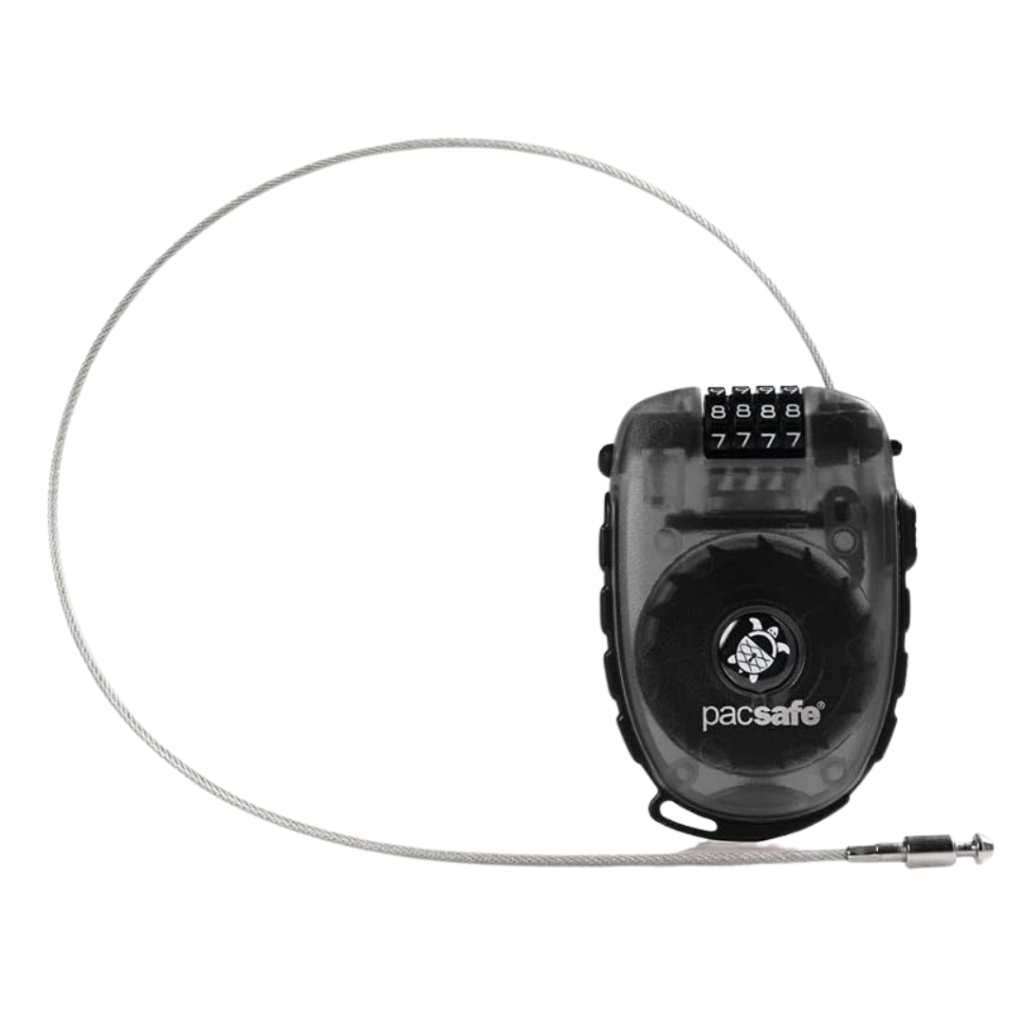
    We live by the “if it fits, it flies” mantra. Bulky locks are a no-go. I’m all about minimalist solutions that pack a serious punch. Think slimline cable locks that coil up small (Pacsafe Retractsafe is a favorite), or even those clever laptop sleeves with built-in locking mechanisms. Every bit of protection that can double as luggage organization is a win.

    Pacsafe Retractasafe 250 Cable Lock

    Pacsafe Retractasafe 250 Cable Lock

    The Pacsafe Retractasafe 250? That’s my little piece of nomad sanity. It’s barely-there in my carry-on, takes seconds to deploy, and it turns any café table into a makeshift Fort Knox for my laptop.

    The Cozy Cafe Connoisseur

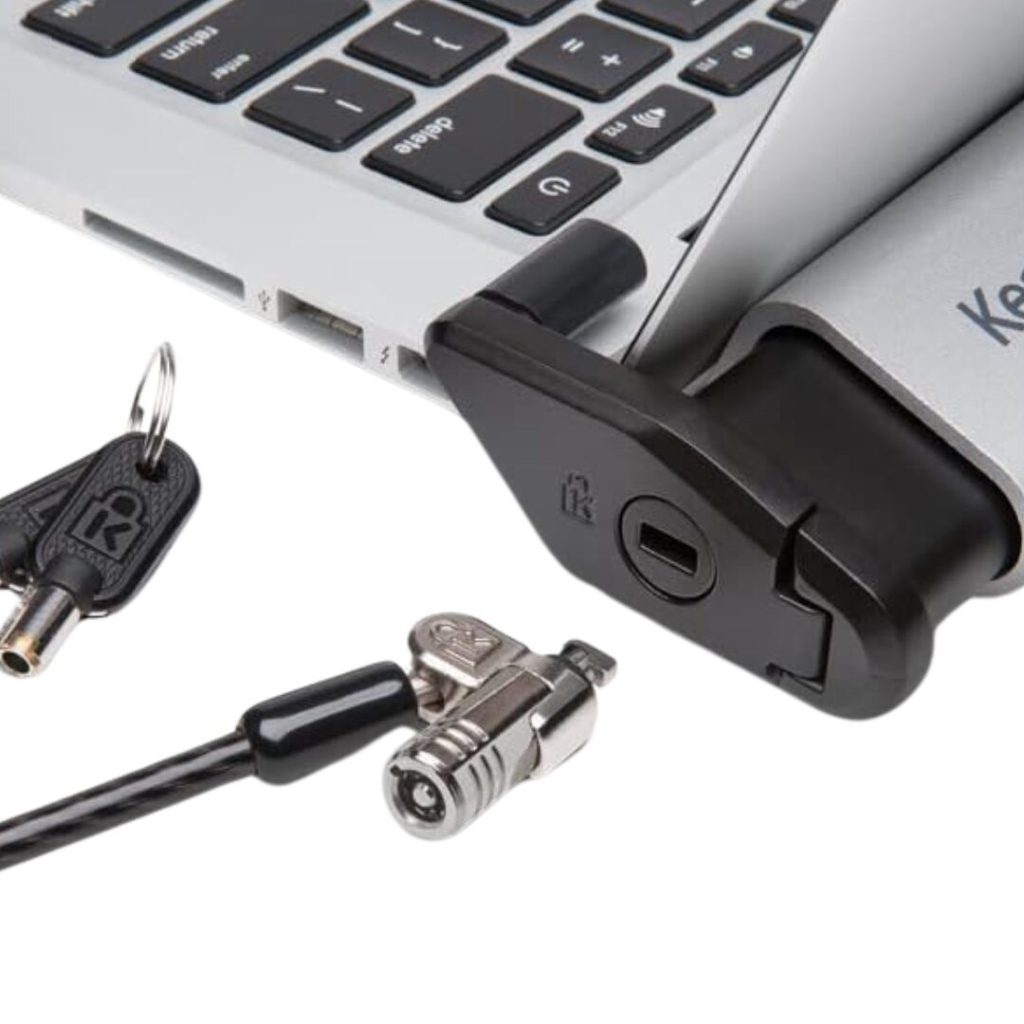
    You’re drawn to the vibrant hum of coffee shops, the smell of roasted beans, and that elusive table with just the right amount of sunlight for a productive work session. A laptop locking station, the kind that anchors your machine to the table itself, can bring peace of mind.

    Kensington MacBook and Surface Laptop Locking Station

    Kensington MacBook and Surface Laptop Locking Station

    The Kensington MacBook and Surface Laptop Locking Station is a lifesaver for those moments I finally find the perfect cafe rhythm. It’s that peace of mind knowing my laptop’s anchored down. I can savor the coffee, let the work flow, and not worry about some quick-handed opportunist ruining my day.

    The Adventure Junkie

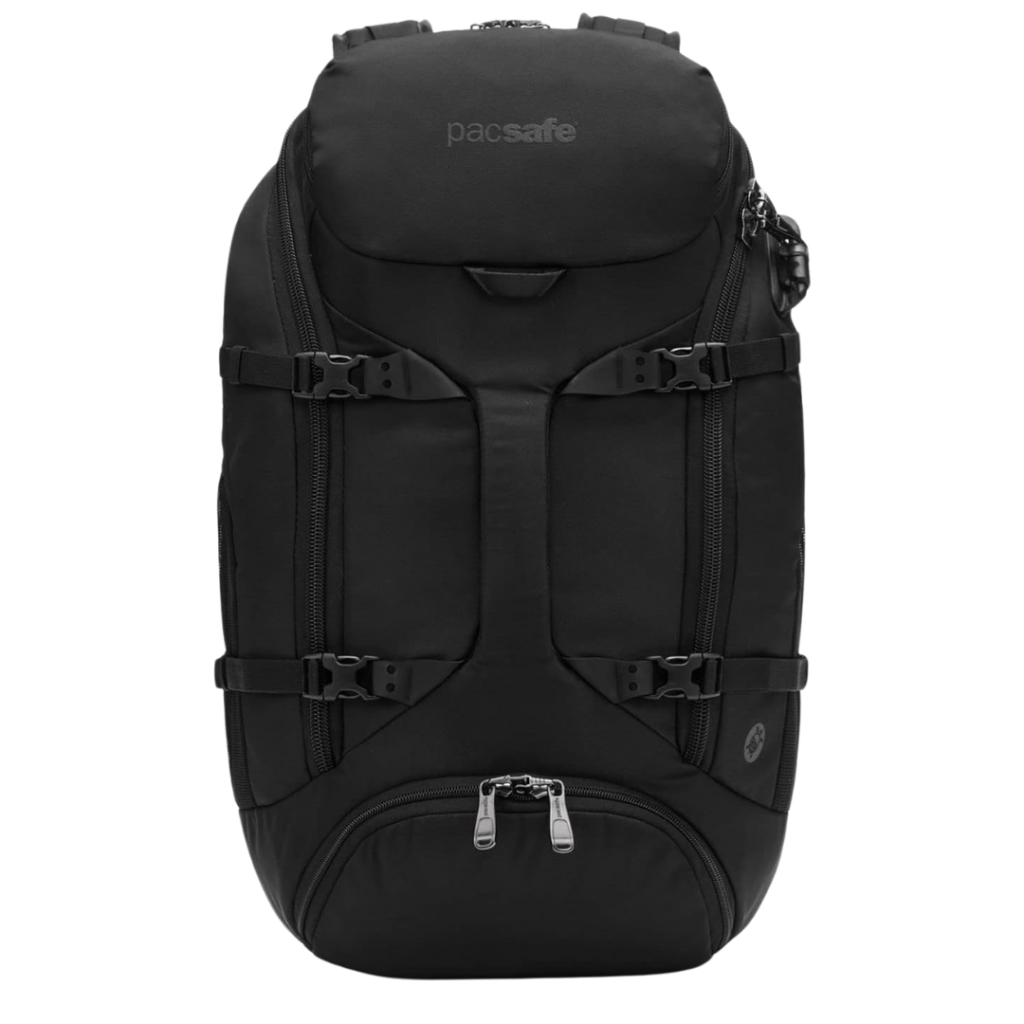
    From scrambling up a volcano at sunrise to pitching clients by the pool that afternoon? Your tech needs Olympic-level adaptability. Look for durable, weather-resistant backpacks with hidden security compartments (Pacsafe has some killer options), or combo backpacks/locks that keep your gear safe on the go and when you settle in. Forget one-trick ponies, we need the Swiss Army knives of security solutions. 

    Pacsafe Venturesafe EXP35 Anti Theft Travel Backpack,

    Pacsafe Venturesafe EXP35 Anti Theft Travel Backpack

    It’s my trusty sidekick through jungles, crowded markets, and those chaotic airport dashes. Slash-proof straps, lockable compartments…it’s like a fortress for my laptop, letting me focus on the next adventure and not worry about sticky-fingered opportunists ruining my flow.

    Anti-Theft Tech Breakdown

    Those clunky old cable locks are a bit like trying to deter a velociraptor with a garden hose – good effort, but not exactly confidence-inspiring in this modern jungle. Today’s laptop anti-theft devices have gotten seriously sleek, and I’m here to geek out over the good stuff.

    Locks Reimagined: Think Lightweight and Clever

    Forget chaining your laptop to the table like you’re guarding medieval treasure. The new breed of locks is strong but portable. We’re talking slash-proof straps, cleverly hidden combos, and maybe even materials lifted from NASA tech (I’m not saying it is rocket science, but it might as well be). The best part? These won’t add a brick to your carry-on.

    Alarms Get Smart: Outsmarting the Thieves

    Imagine your laptop with its secret alarm system. Bluetooth trackers let you know if it wanders too far, motion sensors shriek if someone makes a sneaky grab, and some gadgets even send alerts straight to your phone. We’re turning our laptops into digital ninjas – silent, but ready to pounce if messed with.

    Eco-Friendly Options: Sustainable Security

    Who says protecting our gear can’t also be kind to the planet? Look for anti-theft devices made with recycled materials, designed for longevity (because planned obsolescence is the worst), and those that prioritize a smaller environmental footprint. Bonus points if they look good enough to Instagram with your ethically sourced latte.

    Habits Matter: The Human Element

    Even the fanciest gadget is only as good as the nomad using it. So, let’s upgrade those instincts too! That means developing a sixth sense for dodgy situations, practicing situational awareness like a seasoned spy (minus the trench coat…unless you’re into that), and never letting our guard down just because the cafe has good wifi.  

    Timing is Everything

    It’s not just about the where of laptop theft, but the when. We digital nomads, have a weird relationship with time. Days stretch out into endless work sessions fueled by questionable hostel coffee, then vanish in a flurry of airport check-ins and last-minute visa scrambles. That time distortion is where thieves find opportunity.

    Think about those seemingly innocent “5-minute” dashes: hopping up for a bathroom break, stepping out to grab another pastry (let’s be real, the cafe ones are always tempting). It’s shocking how fast those moments can turn against us. Opportunistic thieves thrive on this, the quick snatch-and-grab when we assume a moment’s inattention won’t matter. Spoiler alert: it does. This is where even the most basic laptop anti-theft devices can shine – a simple lock becomes a visible deterrent, turning that snatch-and-grab into too much hassle.

    On the flip side, there are those late-night hostel work sessions we’ve all experienced. Exhausted, alone in a quiet common room, the only sounds are our frantic typing and the ticking of an old wall clock. It’s tempting to let our guard down, that false sense of security lulling us into complacency. But vigilance is key here, especially in unfamiliar spaces. A motion-sensing alarm tucked in your bag, a quick scan of the room before settling in – small actions make a big difference. As any seasoned traveler (or noir detective movie fan) knows, sometimes the greatest threats lurk in the stillness of the night. 

    Beyond the Gear

    Look, even with the best laptop anti-theft devices, sometimes the unthinkable happens. A tech-savvy thief slips through our defenses, or we have one of those “universe, are you kidding me?” moments and leave our laptop on a train. That’s where we shift from prevention to damage control. Because while replacing a sleek MacBook hurts the wallet, sometimes it’s the data loss that stings the most.  

    Backup is your BFF and not the boring backup your IT department used to nag you about. Think cloud-based, automatic, and with a user-friendly interface even the least tech-minded nomad can get behind. Backblaze gets rave reviews for its simplicity, and I’ve personally had good experiences with using iCloud and an external hard drive for double security. Invest a few bucks a month for that irreplaceable peace of mind.

    Then there’s insurance. Nomads, like our stuff, are always in that weird in-between state. Do homeowner’s policies cover you in a Cambodian coworking space? Does travel insurance have specific clauses for high-value work equipment? It’s not the sexiest topic, but a quick call to an agent who specializes in nomads (yes, they exist!) can clarify what’s covered and if it’s worth the premium for you. 

    Finally, let’s remember the power of community. We digital nomads, we’re a tribe – even if it’s a scattered, Wi-Fi-dependent tribe. A simple “Hey, mind keeping an eye on my stuff while I hit the restroom?” in a busy cafe can work wonders. If I’m setting up shop for a long work session, I’ll often choose a table near other solo workers who look focused. There’s a silent understanding there, a subtle network of vigilance far more effective than any gadget. Because at the end of the day, we work alone…but we don’t have to be alone

    FAQs

    Do all laptops have a security lock?

    Sadly, no. Many newer laptops, especially those super sleek ones, ditch the traditional lock slot. It’s all about streamlined designs these days, but that can leave us nomads feeling a bit vulnerable.

    What are the different types of laptop locks?

    We’ve got classic cable locks, those hefty chains that scream “don’t mess with me.” Then there are slimmer versions for the minimalist types. Some fancy ones even have alarms! And for the super-cautious, there are locking stations that anchor your laptop to a table – perfect for those long cafe work sessions.

    Is a Kensington lock worth it?

    A Kensington lock is worth the peace of mind. It won’t stop a determined thief, but it deters the casual grab-and-go. Think of it as buying time, a little insurance policy for those moments when I can’t have eyes on my laptop every second.

    How safe is a Kensington lock?

    Kensington locks offer decent protection, especially for those quick coffee shop runs where I need a visual deterrent. But let’s be real, they’re not foolproof. A determined thief with the right tools can still get through them. That’s why I always layer my security with smart habits.

    How do you put a Kensington lock on a laptop?

    Most laptops have that little “Kensington slot,” a small, metallic hole on the side. The lock has a T-shaped head that snaps right in with a satisfying click. A quick twist of the key and your machine’s anchored down. Simple, and honestly, strangely reassuring.

    Takeaway Message

    The quest for the perfect laptop anti-theft devices is a bit like chasing that elusive unicorn frappuccino at Starbucks – intriguing, possibly tasty, but ultimately a little mythical. There’s no single gadget or habit that offers foolproof security. But digital nomads must have these survival and security essentials for a secure, sustainable, and seriously adventurous life.

    Ultimately, the real win isn’t just about protecting our laptops, but about feeling empowered. Think about it – the more prepared we are, the less those “what if” anxieties nag at us while we’re sipping a coconut on some Thai beach, or finally tackling that client pitch in a Parisian cafe. It’s about ditching the fear and embracing that boundless freedom this lifestyle promises.

    So, friends, let’s keep the conversation going. Spill those near-miss stories (we’ve all got ’em), the brilliant gadgets that have saved your tech-loving bacon, or those clever habits you’ve picked up along the way. Sharing knowledge is how our tribe gets smarter, safer, and ready to conquer those next adventures, worry-free.

  • Digital Nomads Must Have These Survival And Security Essentials

    This guide discusses the tools and strategies digital nomads must have for a secure, sustainable, and seriously adventurous life on the road.

    I’m hunched over a tiny cafe table, a cappuccino the color of sun-bleached sand beside me, scribbling furiously on a map that’s seen better days. My passport, a dog-eared testament to a dozen borders crossed, peeks out from my bag. The scent of adventure is as thick as the Vietnamese coffee a few tables down. It’s a familiar scene, isn’t it ladies? The romance, the thrill, the sheer audacity of building a life around Wi-Fi signals and the next plane ticket.  

    But let’s get real for a minute. This digital nomad life, as intoxicating as that first sip of espresso in a new city, comes with its own set of challenges. See, there’s a fine line between wanderlust and just plain wandering lost. I know a thing or two about that line – I’ve crossed it, stumbled over it, and occasionally performed a caffeinated jig right on top of it. That’s why we need to talk about survival and security. Not in some fear-mongering, lock-yourself-in-your-room kind of way, but with a healthy dose of “forewarned is forearmed” wisdom. 

    Think about it – we’re charting our own paths, often solo, in places where the rules change as fast as the time zones. This isn’t about waiting for some knight in shining MacBook Pro armor to save the day. We’re the modern-day Joan of Arcs of the remote work revolution, blazing trails with our laptops and a fierce determination to live life on our terms. And digital nomads must have the tools and the smarts to make this sustainable. 

    So, if you’re ready to swap a bit of that starry-eyed idealism for some seriously geeky, been-there-done-that grit, grab another coffee and let’s dive in. By the time you finish this piece, you’ll feel empowered to handle everything from dubious Wi-Fi to that “uh-oh, did I just take a wrong turn?” moment. Because a safe, savvy nomad is a nomad who gets to keep sipping those cappuccinos all around the globe for years to come. 

    What Are The Core Essentials for Digital Nomads?

    Alright, ladies, let’s turn our tech into a fortress. After all, as digital nomads, our laptops, phones, and tablets are where we build our little online empires, right? So, first things first – let’s cover the absolute non-negotiables that keep that digital world safe.

    Digital Fortress: Your Tech as Mission Control

    • Laptop lock. Because your office IS your laptop. Think of this as the digital nomad’s version of a bike chain. You wouldn’t leave your fancy vintage ride unattended, would you? Invest in a sturdy laptop lock, especially when setting up in cafes during those long, coffee-fueled work sessions. A moment of distraction is all it takes for your lifeline to vanish. Learn more about the best laptop anti-theft devices for digital nomads.
    • Data backup. Redundancy is your friend. Imagine all your client work, those dreamy destination photos, that half-written novel…*poof* gone! This is where the cloud and external hard drives become your besties. Back up regularly, like your sanity depends on it, because frankly, it kinda does.
    • Password manager. Complexity without the headache. We need passwords stronger than my morning espresso, but who can remember “Xj83*h!29qP”? Password managers generate and store them, leaving your brainpower for the important stuff … like figuring out the best Jeepney route for getting around Cebu City.

    The “If Lost, Please Return to Awesome Human” Kit

    • Durable luggage tag. More than just cute. Sure, a pineapple-shaped tag is adorable, but make sure it has space for your contact info and can survive baggage handler “love.” We want those bags finding their way home if they get a sudden urge for solo travel. 
    • Digital copies of vital docs. Passport, IDs, emergency contacts. Scan these lifesavers and store them securely (cloud with password protection). Losing your passport? Stressful. Having a digital backup? A major ounce of prevention.
    • The power of translation apps. When charades fail. Don’t underestimate how a few key phrases can smooth your way. Even mangled pronunciation is better than that awkward mime of “Where’s the bathroom?” Trust me, I’ve been there. 

    Who’s Got Your Back? Building Your Safety Network

    Look, as a seasoned digital nomad, I get the whole independent woman vibe. But even Wonder Woman had backup on Themyscira. When you’re hopscotching continents with a laptop and a dream, having a support network is not a sign of weakness – it’s the ultimate power move. This is where the ‘survival’ part of our digital nomad must-haves kicks in.

    First stop: your local lifeline. Every country has embassies or consulates representing your home nation. It’s not the most glamorous item on the itinerary, but take it from me, you want those numbers saved before you even board the plane. They’re your go-to if there’s lost luggage, stolen documents, or any kind of major hiccup along the way. Think of them as your real-world quest guide when things get a bit too adventurous.

    Next up: insurance. Oh, I know it’s the unsexy expense, like buying sensible shoes when your heart longs for those killer heels. But honey, nomad-savvy insurance is worth its weight in canceled flight refunds. We need the kind that goes beyond basic medical – think gear protection (because laptops do mysteriously take swan dives) and trip interruption coverage for when volcanoes/revolutions/random food poisoning messes with your plans. It’s that unglamorous cushion that lets you bounce back instead of stressing about every unexpected expense. 

    And finally, your virtual village. Those friends and fam back home? They’re more than just folks to send postcards to. Pick your most reliable, trustworthy people – the ones who’ll answer a panicked 3 AM call and drop everything to help troubleshoot an online crisis. Keep them updated on your itinerary, bounce travel plans off of them (their research skills might surprise you!), and let them be your emotional life raft when that solo nomad wanderlust gets a little lonely. Remember those superhero teams? Think of this as your personal Justice League – just with more coffee-fueled Zoom calls and less spandex.  

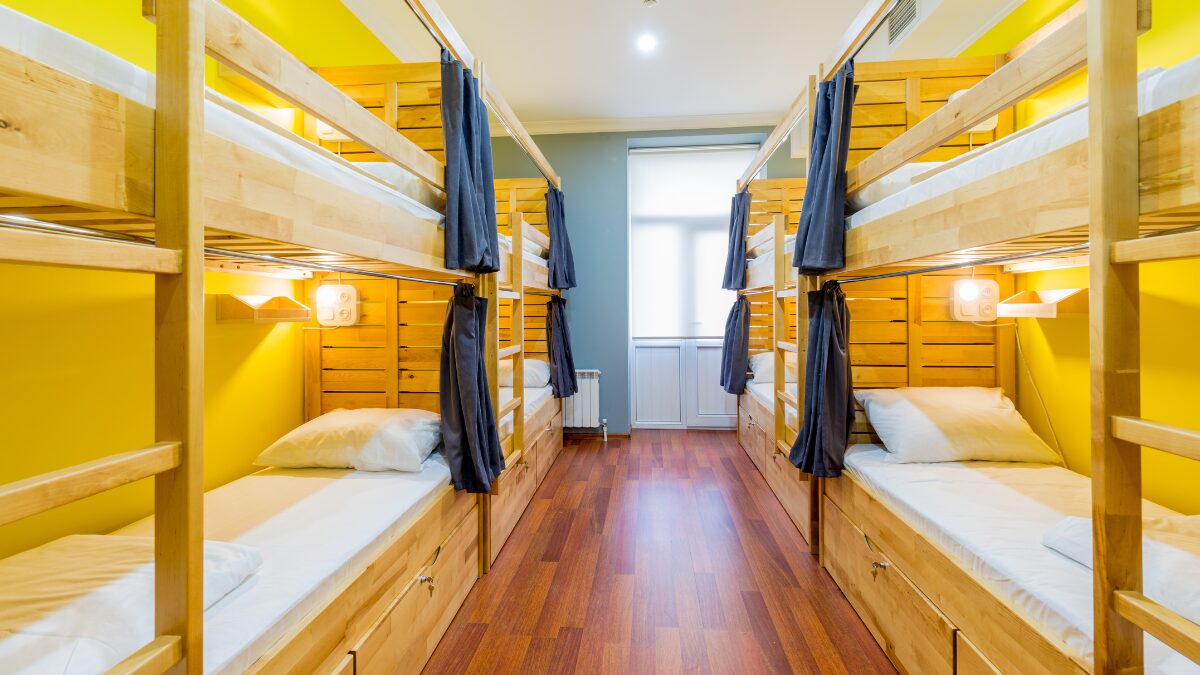
    Where Are You Sleeping Tonight? Safe Accommodation Options

    Hostel Dormitory Beds Arranged in Room

    Where we lay our heads each night directly impacts our safety and sanity on the road. Choosing the right roof over your head is digital nomad survival 101. So, let’s get down to the nitty-gritty of finding accommodations that offer more than just a pillow.

    First, vibe check the neighborhood. Stroll with purpose in the daylight hours. Is it well-lit with regular foot traffic? Are there plenty of places to grab a bite or get necessities? Does it feel intuitively safe for a woman alone? A little daylight recon goes further than a hundred online reviews. 

    Next, consider the female-friendly factor. More and more hostels and co-living spaces cater specifically to women, offering perks like shared dorms or even women-only floors. A great way to tap into that network is by asking the locals – chat up a barista at the trendy café, inquire at that cute boutique – they’ll know the spots.  

    Finally, and this is key, channel your inner chameleon when it comes to valuables. The flashy tech gear that makes us awesome digital nomads must have a “hide in plain sight” makeover. Ditch the designer laptop case, swap the blingy jewelry for locally sourced pieces, and tuck expensive electronics into nondescript bags. The goal isn’t to look poor, it’s to look like you belong. Remember, the less you advertise your “tourist with expensive stuff” status, the less likely you are to attract the wrong kind of attention. 

    When Out and About: Streetwise and Situationally Aware

    When you’re always on the move, blending into your surroundings has its perks. I’m not talking about some chameleon-like disappearing act, but about being savvy about where you are and how you project yourself. It’s a mix of practicalities and that ever-elusive concept of “women’s intuition.”

    First, the obvious: Ditch that overflowing wallet bursting with loyalty cards and long-expired receipts. Digital nomads must have a slimmed-down, essentials-only approach. Some cash, one credit card, ID – that’s your go-to. It’s easier to conceal, lighter to carry, and minimizes the drama if (heaven forbid) it gets lost or swiped.

    Next, there’s the cultural cha-cha. Doing a little homework on local dress and mannerisms is like a superpower on the streets. Think beyond the guidebooks – social media is amazing for getting a real feel for a place. You want to be respectful and avoid accidentally drawing the wrong kind of attention, but never at the expense of your confidence. A brightly colored hijab and bold jewelry in the right neighborhood? Absolutely. A solo female all in black slinking through a bustling market? Maybe not so much.  

    Finally, and most importantly, listen to that inner voice. Remember that scene in “Eat, Pray, Love” where Julia Roberts walks away from a seemingly nice guy because something feels off? That’s not just Hollywood. We tend to downplay our gut instincts and write it off as nerves or being tired. But that subtle unease, that prickle at the back of your neck, it’s your subconscious picking up on cues that you’re not even consciously processing. Trust that. Step away from the too-friendly vendor, change your route, or duck into that crowded cafe. No shame in self-preservation, ladies. 

    What About Solo Wanderlust?

    Sometimes that wanderlust bug bites hard, and the world beckons you for a solo adventure. Some of the best memories happen when we just ditch the map and let our feet lead us. But as digital nomads, we’ve got to balance that thrill with a dose of practical savvy. Let’s talk strategies for keeping that solo wanderlust both awesome and safe.

    Purposeful Wandering: Looking Like You Know Where You’re Going

    Ever felt that icky “lost tourist” vibe? You know, the one that makes you feel like a walking target? Ditch that feeling with “purposeful wandering”. This is all about body language – walk with a bit of pep, head held high. Pretend you’re actually LATE for an appointment It’s surprisingly effective at making you look less vulnerable. 

    The “Fake Phone Call” Trick: Low-Tech Deterrent

    Sometimes you just need a little social armor. If someone’s giving you those overly-interested vibes, whip out your phone and stage a call. Loudly discuss your exciting plans – a museum you’re “about to go to”, or the cafe where you’re “supposed to meet a friend”. Most folks bothering strangers will back off when they realize you’re not isolated. 

    Share Your Itinerary (Selectively): Accountability Matters 

    Digital nomads must have our trusty crew on standby. Before heading out, drop a quick text or email to a trusted contact. Share the general area you’ll explore and a rough timeframe. It’s not about being tracked, it’s about someone having a clue if something feels off. Bonus point: Tell a friendly hostel staffer or shop owner your plans too – those local eyes on the ground are an underrated safety net! 

    When the Internet Gets Sketchy: Being Cybersecurity Savvy

    I’ve spent more hours than I care to admit hunched over my laptop in questionable cafes, fueled by dodgy Wi-Fi and even dodgier caffeine. The thing is, the internet is our lifeline as digital nomads, but it can also be a minefield. Think of public Wi-Fi as the Wild West of the digital world – you never know who’s lurking, ready to pounce on your precious data.  

    That’s where a VPN (Virtual Private Network) swoops in like your own personal bodyguard. It creates a super-secret tunnel for your data to travel through, masking your location and making it way harder for snoops to intercept your online shenanigans. So, whether you’re sending sensitive work files or simply catching up with friends back home, make a VPN your non-negotiable.

    But shady Wi-Fi isn’t the only threat out there. Phishing scams, those sneaky attempts to trick you into giving up passwords or personal info, are constantly evolving. Remember, they’re not just lurking in your inbox anymore. Watch out for suspicious links on social media, questionable website pop-ups…heck, even those ‘urgent’ texts from your so-called bank. Before you click, take a beat. Hover over links to see where they *really* lead, and double-check the sender’s address. Remember, digital nomads must have a healthy dose of skepticism when it comes to online interactions.

    Finally, let’s talk about real-world security. Ever had that prickly feeling someone’s reading over your shoulder at the cafe? It’s not just paranoia, it’s legit. Be strategic about where you sit. Those comfy couches facing the wall? Much safer bet than a table smack in the middle of the room.  

    What To Do When “Uh-Oh!” Happens

    Even the most seasoned digital nomads occasionally find themselves playing the lead in a mini “oh crap!” movie. Whether it’s a suspicious street food encounter or a classic “lost my passport” saga, it’s those moments when keeping a cool head makes the difference between a travel anecdote and a full-blown crisis.

    So, let’s channel our inner Sherlock and focus on preparedness. First things first, before you even sip your first flat white in a new destination, research those local emergency numbers. You know the drill – police, ambulance, maybe even a reputable helpline in the local language. Don’t just rely on a vague memory of “911 works everywhere, right?”. Tuck a printout in your bag, save it in your phone, and be ready in case you need to say something less charming than “hello, cappuccino please?”.

    Second, think like a scout – be prepared. A mini first-aid kit is your BFF. We’re not talking surgery-ready gear here, just the basics to tackle blisters, bug bites, or the odd culinary mishap. Think band-aids, antiseptic wipes, headache meds, and maybe some of those rehydration sachets if you’re feeling adventurous with the local cuisine.

    Finally, remember that adage, “If you see something, say something”? It’s not just for school kids. Whether it’s a sketchy situation at your hostel or a weird vibe in that hidden gem café, your instincts are valuable intelligence. Mention it to staff or other digital nomads you’ve befriended. Chances are, they’ve either got some local knowledge to share or can at least commiserate about the perils of life on the road. Digital nomads must have a sense of community, and we look out for each other. Because let’s be honest, a shared laugh over a minor mishap beats a lonely panic attack any day.

    Sustainable Safety: It’s an Eco-Mindset Too

    Okay, ditching the corporate lingo and embracing the nomad spirit for this one! Being safe and responsible on the road isn’t just about physical stuff, right? It’s time we talked about that sneaky thing called “sustainable safety.”  

    Picture this: we’re all about those eco-warrior reusable coffee cups and finding locally sourced eats, but what about the digital trail we leave behind? See, every careless social media share, and every login on unreliable Wi-Fi, can expose us to risk. It’s the less glamorous side of sustainability, but it’s vital. 

    We need to get ninja-smart about minimizing our digital footprint. Think of all that juicy data we carry around – client info, personal details, banking stuff…the less of it floating around cyberspace, the safer we are. It’s like the digital version of packing light so you don’t strain your back, right?

    Plus, (and here’s where my inner idealist kicks in), where we put our digital dollars matters. Seek out those hostels that invest in solar, that tour company with a fierce anti-poaching stance. Our wallets have a voice, ladies, and supporting ethical businesses? Now that’s a form of security with long-term impact. 

    And finally, let’s get real about those dreamy ‘Gram shots. We all want to share that epic waterfall or hidden temple, but geotagging the heck outta everything is like leaving neon “rob me” signs for unsavory types online. Protect the places you love – and yourself – by being selective about what location info goes public. Digital nomads must have an awareness of their impact that goes beyond just minimizing plastic straws. It’s a mindset shift, a way of being safe and respectful, both on the ground and online. After all, true sustainability means leaving places better than we found them, right down to that virtual footprint.  

    FAQs

    I’m a solo traveler – how can I feel safer out there?

    Think like a spy, not a scaredy-cat. Situational awareness is key. That means scanning crowds, trusting your gut, and projecting confidence like 007 (martini optional). Research self-defense basics too – a few moves boost courage!

    What if my gear gets stolen? Am I doomed?

    Cloud backups are your lifeline! Documents, photos, everything precious should live in the cloud, not just your hard drive. For your laptop, a physical lock is a cheap deterrent against sneaky grabs. Insurance is worth it for those worst-case scenarios.

    Is public Wi-Fi a total security nightmare?

    Pretty much. A VPN (Virtual Private Network) is a digital nomad must-have. It’s your encrypted tunnel for browsing, especially on those sketchy café networks. Think of it as scrambling your data so hackers see gibberish, not your bank details.

    How do I balance wanderlust with staying connected to loved ones?

    Scheduling is sanity! Regular video calls with your crew prevent that lonely ‘lost at sea’ feeling. Share itineraries, check in often, but also embrace those spontaneous moments– that’s what makes this life amazing.

    What ‘stealth’ items help with those awkward travel moments?

    A tiny sewing kit saves wardrobe malfunctions. A menstrual cup is eco-friendly AND space-saving. Electrolyte tabs turn questionable water into hydration. You don’t need a superhero cape, just a few savvy supplies.

    How do I find legit health care abroad?

    Nomad-specific insurance plans are often surprisingly affordable. Embassy websites also list English-speaking doctors. Telemedicine is booming –sometimes, a virtual consult with your regular doc back home does the trick.

    Is burning out a real threat, or am I just being lazy?

    Girl, burnout is THE enemy. Recognize the signs: cranky, uninspired, fantasizing about cubicles… Remember, the joy of this lifestyle is flexibility. Slow down, nap shamelessly, rediscover what fuels your fire.

    I want to minimize my impact while traveling. Any easy wins?

    Small actions add up! Refillable water bottles, saying no to straws, supporting local businesses – it’s about conscious choices. Remember, the most sustainable travel is SLOW travel. Resist that FOMO-fueled itinerary hopping.

    Finding community as a nomad is tough! Any tips?

    Those online forums and Facebook groups? They’re lead generators! Take the leap, organize a coffee meet-up, co-work for a day. Vulnerability can be awkward, but also where those true connections bloom.

    Sometimes I feel imposter syndrome…like I’m not a ‘real’ nomad. Help!

    Anyone brave enough to break the mold is legit in my book. There’s no right way to do this. Whether you hop continents or stick to one region, own your choices. That coffee shop IS your office, and the world is your adventure!

    Takeaway Message

    The digital nomad hustle ain’t for the faint of heart. But fear? That’s got no place in our backpacks. We’ve chosen this life, and along with the freedom comes a dose of savvy responsibility. Digital nomads must have a toolkit of both tech and street smarts to thrive long-term. Balance discernment with that adventurous spirit. Share the knowledge. Our sisterhood keeps us strong. And as we raise our mugs around the world, let’s give cheers to coffee, courage, and the crazy, wonderful nomad life!

  • How to Become A Digital Nomad in the Philippines

    Do you want to learn how to become a digital nomad in the Philippines because you want to travel while working? Read on to find out more about this trend.

    What is a Digital Nomad?

    Digital nomad conjures up images of a life of freedom and adventure. It sounds like a job where one can work remotely from anywhere in the world while visiting exotic places and checking off countries on one’s travel bucket list.

    However, social media might have romanticized the digital nomad lifestyle. The term digital nomad refers to more of a way of life than an occupation, and it’s becoming increasingly popular due to a shift in the traditional work-life balance.

    digital nomad has decided to work remotely as a way of life, earning money in a way that allows them to live wherever they please. 

    One need not visit a predetermined number of countries or spend an indefinite time in each before being considered a digital nomad. Working from home is an option for those who are self-employed. It’s also possible for anyone with a job that allows them to work remotely and support themselves without being physically located in one place.

    It’s a decision that many more people are in a better position to make now that the way we work has shifted.

    How do I start a digital nomad career?

    You’ll need these three things to leap digital nomadism:

    • One or more ways to earn money without ever leaving home
    • A laptop and Internet access everywhere where you intend to work
    • The ability to manage one’s own money and budget effectively

    Read this digital nomad guide for more information.

    What is the most common digital nomad job?

    So, let’s tackle the first requirement.

    To take up a nomadic lifestyle, all you need to know is if you can support yourself entirely through remote work on your computer or mobile device.

    There’s a significant number of suitable occupations than one might initially assume.

    Online Store Owner

    Many business owners in the e-commerce industry can work remotely because they have found a way to outsource their operations’ shipping and fulfillment aspects.

    Dropshipping is one method by which some people get around this problem. Some successfully locate a reliable supplier who can fulfill their clients’ shipping needs. Still, others develop novel digital goods that eliminate the need to keep track of any physical stock.

    As their business expands, they can outsource additional tasks to help them manage their time more efficiently while traveling.

    Editor, Translator, and Writer

    You can complete Almost any office task that involves writing. Content creation, book editing, conducting interviews for articles, and writing website copy are all services that you can provide to clients even when not physically present.

    You either need to find a company open to remote workers, or you need to start your own business as a freelancer or an agency.

    Web Developer or Designer

    Many remote positions are available for developers and designers on various job boards. You can make money from the products that you design and produce.

    Marketer

    The modern marketer can get by with almost nothing more than a laptop and an internet connection. Clients can track digital advertising tasks, so businesses can hold marketers accountable even if they’re in a different time zone.

    Customer Service

    The customer service industry was an early adopter of remote work because you can do most of the work via phone, email, or live chat.

    Providing round-the-clock customer service requires a global staff. So, support roles are perfect if you want to become a digital nomad in the Philippines.

    Those mentioned above are the usual occupations of digital nomads. However, more and more industries are embracing technological advances to replace face-to-face interactions with clients and customers. The full-time virtual assistant is one example of a new profession that has emerged as a direct result of the rise of the remote workforce.

    Which Country is Best for Digital Nomads?

    Some countries are better suited for the Filipino digital nomad lifestyle and income than others.

    The best five cities for remote work, as voted on by members of Nomad List, a community and database for digital nomads, are as follows:

    • Bangkok, Thailand
    • Barcelona, Spain
    • Berlin, Germany
    • Chiang Mai, Thailand
    • Budapest, Hungary

    However, the world is much more complex than that, and every city has its quirks that go beyond just the average cost of living.

    What are the Best Places for a Digital Nomad in the Philippines?

    Palawan

    You’ve undoubtedly seen pictures of paradise, with its crystal clear waters, towering limestone cliffs, and pristine white sand beaches. That is Palawan

    El Nido was among the first places to reopen in the Philippines in 2020 when the country was hit hardest by the COVID-19 pandemic. The municipality previously collaborated with a telecommunications provider to promote the area as a desirable location for digital nomads in the Philippines to set up shop. 

    Remote workers could take advantage of the improved connectivity and expand their operations beyond their El Nido hotel or resort. On occasion, you could even be earning money from one of Palawan’s pristine shores!

    A month in Palawan would not be enough time to visit all of the island’s beaches. Residents of Puerto Princesa, the country’s capital, have their pick of nearby beaches like Nagtabon and the small islands of Honda Bay. It is possible to stop at various beaches as you travel north towards El Nido. 

    A trip to Balabac from the south would get the same results. It’s impossible to get too far from the coast, no matter where you go on this island. To put it simply, it’s a beach paradise.

    Boracay Island, Philippines

    Boracay

    Boracay Island, in the Visayan region of the Philippines, is a world-famous tourist spot known for its powdery white sand and pristine beaches and is less than an hour away from Manila via plane. There is no shortage of exciting things to do and see on this picture-perfect island.

    Numerous tourists visit Boracay annually to take in the island’s stunning scenery. The island has beautiful scenery, including clear blue waters, white sand, plenty of wildlife, and a rich underwater ecosystem. It’s no surprise that Conde Nast Traveler and Travel+Leisure named it one of the best islands in the world.

    Cebu

    Cebu, the Philippines’ second-largest city and the country’s beating heart, has long been considered a tourist hotspot. Condé Nast Traveler named the island province’s beaches and diving sites among the world’s best.

    Multiple tourist destinations are located on the island of Cebu, adding to the island’s fame. The annual Sinulog Festival in Cebu City is one such event, attracting millions of visitors worldwide.

    The warm Cebuano hospitality awaits you at Mactan-Cebu International Airport, the Cebu International Port, and the North and South Bus Terminals. It is just one of many attractions that Cebu has to offer beyond its stunning natural scenery and vibrant festivals.

    Read next: Coworking Spaces in Cebu: 12 Best Options in the City

    Bohol

    While most visitors come to Bohol to see the world-famous Chocolate Hills, many are pleasantly surprised to find many other attractions and things to do on the island. In addition to the beautiful scenery, first-time visitors will enjoy the region’s quiet white-sand beaches, exciting jungle adventures, and exotic culinary specialties.

    The island of Bohol is a popular destination for digital nomads because of the closeness it offers to nature. The province of Bohol is home to several beautiful natural areas where visitors can immerse themselves in the island’s flora and fauna and enjoy the fresh air and sunshine. Some of the best places to go on an adventure on the island are the Hinagdanan Cave and a hidden waterfall only local guides know.

    Siargao

    Since it became famous as one of the best places to go surfing and island hopping, Siargao has never been devoid of visitors. Despite the widespread COVID-19 pandemic, Siargao remained a popular vacation spot for digital nomads in the Philippines. 

    Siargao has everything: authentic island fare, beautiful beaches, verdant surroundings, affordable lodging, delicious food, and warm, welcoming people. But why has it become so popular among Filipinos who work remotely? 

    Siargao is attractive to digital nomads because its internet is relatively fast for such a remote island. And also because of the variety of lovely places to work there. Long-term rentals, such as an apartment, are the most practical choice. Villas on the beach are a good option, as are roadside cafes.

    In addition to Manila and other major cities, the Philippines is home to several other popular business and tourist destinations. A remote worker in the Philippines can enjoy the country’s many attractions without dealing with the hustle and bustle of the big cities. 

    Is it more fun to work remotely in this country? As a fellow digital nomad in the Philippines, my answer is an enthusiastic yes!

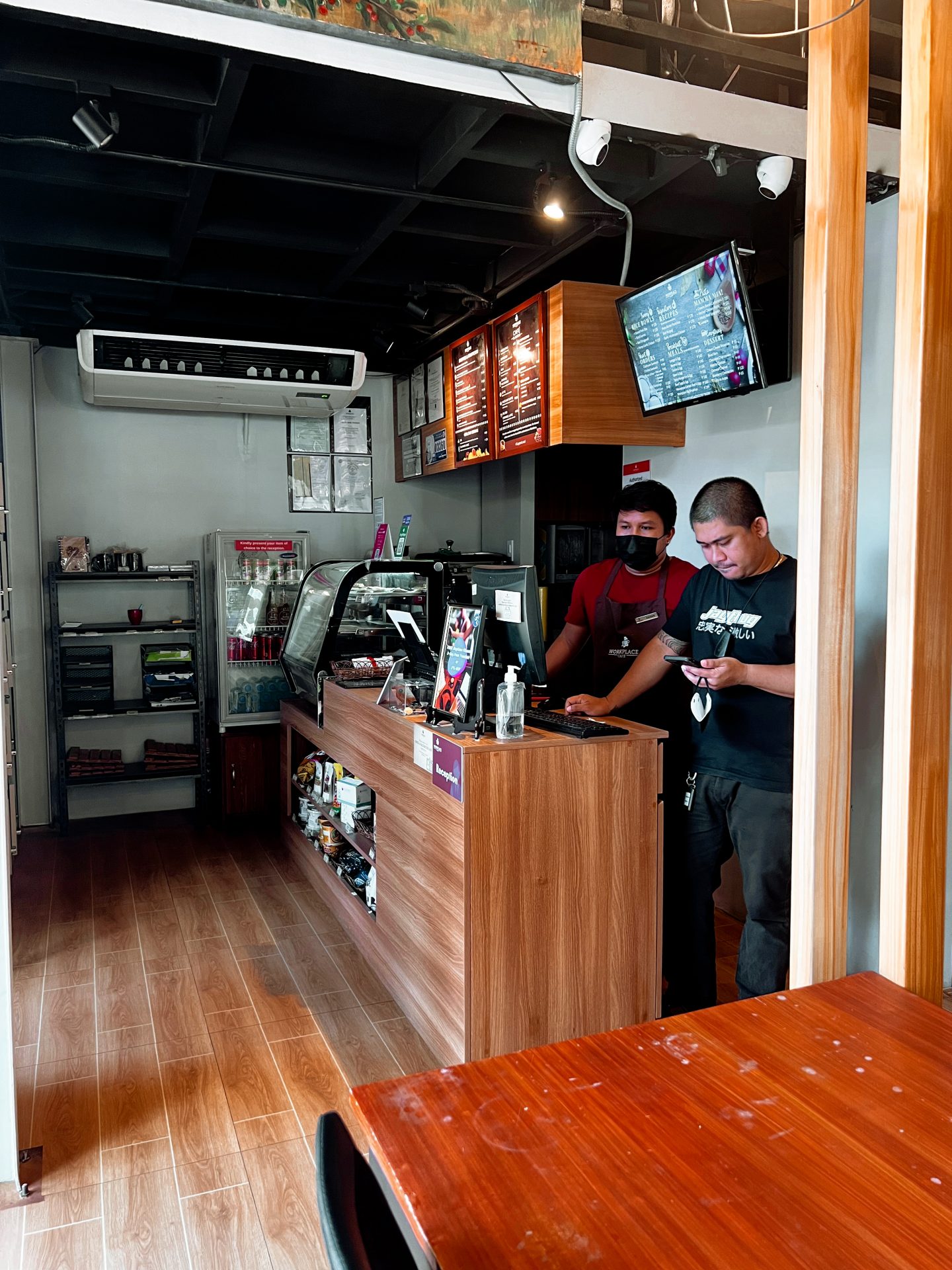
  • Workplace Cafe Mactan: Coworking in LLC Just Got Better!

    Workplace Cafe Mactan is one of Cebu’s welcome additions to the coworking scene, offering sensible amenities and above-average service.

    Upon arrival at this shared workspace, the friendly staff greets you, but you most probably will be immediately distracted by the delectable pastries displayed next to the counter.

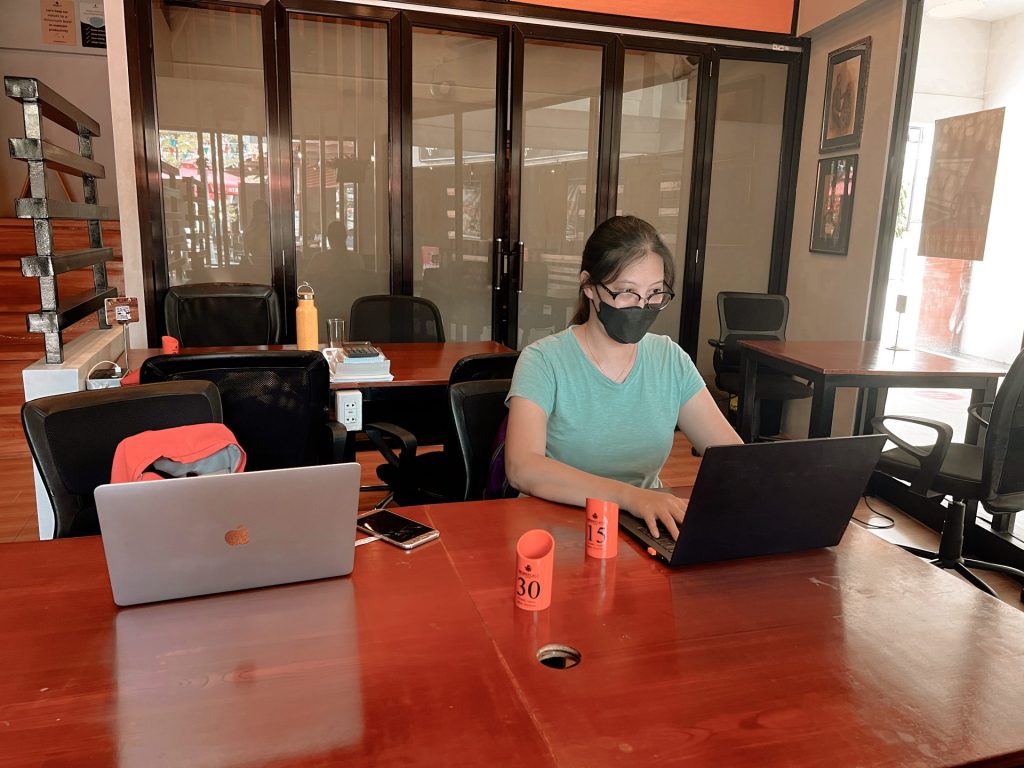
    When we were there, the staff ensured we were comfortable and had what we needed for productive work – from an Internet connection to comfortable seats.

    You might also want to read How to Become A Digital Nomad in the Philippines

    Workplace-Cafe-Mactan-Coworking-in-LLC-Just-Got-Better-1
    the-workplace-cafe-mactan

    Where is Workplace Cafe Mactan Located?

    Pueblo Verde, Mactan’s exciting lifestyle destination, makes a perfect backdrop for the thoughtfully designed coworking space. You can find the Workplace Cafe Mactan at Unit 7 Bldg. C, The Outlets at Pueblo Verde, Lapu-Lapu City.

    Contact information: (032) 417 0637 / 0968 404 6187 / Facebook Page / Website

    What is Workplace Cafe Mactan’s Opening Hours & Rates?

    Like their other branches, The Workplace Cafe Mandaue, Ramos, and Banawa, the Workplace Cafe Mactan branch are open 24/7.

    The Workplace Cafe Mactan offers hourly, day pass, weekly and monthly rates.

    All rates include complimentary beverages of your choice, such as brewed coffee or iced tea. Aside from cash, they also accept other modes of payments like Gcash, PayMaya, and credit or debit cards.

    You may find their rates in the table below.

    They also offer dedicated seats at ₱2,400 weekly and 9,000 monthly.

    Workplace Cafe Mactan Meeting Rooms

    What are Workplace Cafe Mactan Amenities?

    The Workplace Cafe Mactan offers:

    • Cubicle Room
    • Napping Station
    • Meeting Rooms
    • Unlimited Wifi
    • Power Outlets
    • Ergonomic Chairs and Workspace
    • Lockers
    • Print and Scan Services

    They also have complimentary beverages and a food menu.

    the workplace cafe reception area
    reception area
    the-workplace-cafe-beverages-menu-1
    beverages menu
    the-workplace-cafe-food-menu
    food menu

    Read this Next: Coworking Spaces in Cebu: 6 Best Options for Utmost Productivity

  • Coworking Spaces in Cebu: 12 Best Options in the City

    Coworking spaces in Cebu were flourishing in 2019, with new spaces popping up every other month. Then COVID-19 came along and devastated the coworking space scene of Metro Cebu. Fast forward to 2022: with vaccination rates going up and lockdowns being less strict, spaces have opened up again, but we’re still nowhere near 2019 levels.

    What Are Coworking Spaces?

    Over the last ten years, an exciting new trend has emerged. We’re referring to coworking spaces where employees from various companies gather to get work done. 

    The concept of coworking is based on renting space and then renting it out at a profit. In the coworking model, companies:

    • Rent buildings from property owners on long-term, multi-year leases
    • Renovate the facility by adding communal spaces, coffee shops, and other community-oriented features
    • Rent out the space to tenants at significantly higher prices and on more flexible rental agreements.

    Startups, freelancers, digital nomads, and other independent or creative workers who cannot afford their office space are typical examples of these tenants.

    Coworking spaces provide more than just a place to get work done; they also foster a network of like-minded entrepreneurs. Overall, coworking is an innovative new form of organization and business model that brings together entrepreneurs in a single space to create solutions to problems that can’t be solved anywhere else.


    We miss rubbing elbows with hardworking, inspiring human beings. And you probably do, too. So here are a few updates on the surviving coworking spaces in Cebu. Watch this space as we are updating it whenever we find out relevant information about Cebu’s coworking scene. We also made a map of coworking spaces in Cebu and you can find it if you scroll down to the end of this article. Other information you can find on this page:

    • Opening hours
    • Hourly, daily, and monthly rates
    • Covid restrictions
    • And more.

    How to Choose a Coworking Space in Cebu

    Apart from location, here are some quick recommendations according to our personal preferences. Find the full list of coworking spaces in Cebu and our reviews of them below.

    Coworking SpaceLocationPrice
    Cheapest Hourly RateVananazShumava Residence Ground Floor, J.Urgello St, Cebu City₱22/hr
    Cheapest Daily RateCo.Lab Einland2F Northdrive Mall, Ouano Ave, Mandaue City₱150/day
    Cheapest MonthlyWorkhub826 Gov Cuenco Ave, Cebu City₱3500/month
    Like a CaféAltspace11 Dionisio Jakosalem St, Cebu City,
    Open 24/7TWC MandaueJamestown Mandaue, Mantawe Ave, Tipolo, Mandaue City₱320/day
    Video-Call FriendlyThe Company MandaueGround Floor, Building 4, JDN Square, P.Remedio St, Mandaue City₱400/day

    The Best Coworking Spaces in Cebu

    Now that you know our personal favorites, we want to play fair and include the others that did not make it to our list. For now. Opinions change, right? So, below are some of the best coworking spaces in Cebu based on Google ratings and reviews. We also added links to our personal reviews of each coworking space.

    Coworking SpaceLocationHourly RatesDaily RatesMonthly RatesGoogle Rating
    ACX Outsourcing Hub​B30 James Town Mandaue, Mantawe Ave, Mandaue City₱30₱250₱3,5005/5
    Cocoon EcoCoworking Space2nd Flr. Sy Building, F. Llamas St. Tisa, Cebu City ₱35₱150₱2,5005/5
    Co.Lab Einland​2F Northdrive Mall, Ouano Ave, Mandaue City₱1505/5
    DeskVerve Point, Gov.M.Cuenco, Nasipit, Talamban₱35₱260₱4,5004/5
    DeskoG/f Cityscape Tower, Juana Osmeña St, Cebu City₱35₱350₱5,2505/5
    The Company IT Park8F Mabuhay Tower, Corner J.M. Del Mar & A. Abad St. Cebu City₱400₱6,5005/5
    The Company MandaueGround Floor, Building 4, JDN Square, P. Remedio Street, Banilad, Mandaue City₱400₱4005/5
    The Workplace Cafe Banawa2 Autogas Station, Banawa, Guadalupe, Cebu City₱50₱320₱60005/5
    The Workplace Cafe MactanUnit 7 Bldg. C, The Outlets at Pueblo, Lapu-Lapu City₱50₱320₱60005/5
    The Workplace Cafe MandaueJamestown Mandaue, Mantawe Ave, Tipolo, Mandaue City₱50₱320₱60005/5
    The Workplace Cafe RamosRaintree Mall F. Ramos St., Cebu City₱50₱320₱60005/5

    1. ACX Outsourcing Hub​

    ACX has lots of sunlight and very affordable prices, including hourly billing. It’s still new and that means it’s currently much less crowded than The Workplace Cafe Mandaue, which is located in the same building. 

    It’s located in Jamestown Mandaue, near Parkmall.

    What else is good to know? Read our ACX Outsourcing Hub review.

    2. Avant Offices

    Due to the pandemic, they only cater to monthly subscriptions.

    (We haven’t visited yet.)

    Find them at Avenir Bldg., near IT Park.

    3. Cocoon EcoCoworking Space

    Located in Punta 110 Bldg, Llamas Street Cebu City

    Landmark: Across Ma. Lina Catering Services, beside BPI Saving Punta branch.

    Opening Hours: 

    • Mon-Sat 9:00am – 9:00pm

    4. Co.Lab Einland

    Small, light-flooded place thanks to half the walls being made of glass. Good internet, quiet, but uncomfortable seats.

    Located in Northdrive Mall, near Park Mall.

    Opening Hours:

    • Mon-Sat 8:00am – 8:00pm

    What else is good to know? Read all about Co.Lab in our full review.

    5. Desko

    Desko is one of the bigger coworking spaces near Mango Square and Fuente Osmena circle in Cebu City. You’ll love that it’s always open, 24/7 all year. Students enjoy this space in particular because it features hourly billing and affordable food choices.

    G/F Cityscape Tower, Juana Osmena St.

    6. The Company IT Park

    Most people we ask consider The Company IT Park the best space for professionals: Healthy mix of coworkers, regular events and staff that tries to push the community forward.

    Opening Hours for the hot-seat area:

    •  Mon-Fri 9:00am -7:00pm

    The Company IT Park is located on the 15th floor of HM Tower in IT Park.

    7. The Company Mandaue

    The best coworking space for video calls: great internet, not crowded, quiet, has phone booths. Lacking sunlight.

    Opening Hours for the hot-seat area: 

    • Mon-Fri 9:00am – 7:00pm)

    Located near the Oakridge Business Park on AS Fortuna, Mandaue.

    8. The Mezzanine Cafe

    The Mezzanine Cafe a café that’s also a coworking space: They don’t charge for the seat, but you do need to buy food or a beverage. The space is split between the cafe part with music and the quiet study part. The biggest downside is that with those amazing offerings, the place gets packed and the internet suffers quite a bit.

    Opening Hours: 

    • Mon-Sat 9:00 am – 6:00 pm

    Mezzanine is located in Ramos, near Fuente Osmena.

    9. The Workplace Cafe Banawa

    The Workplace Cafe Banawa offers the usual goodies of a The Workplace Cafe branch: decent chairs, a food menu, call cubicles amongst others. Unlike the other to branches, Banawa feels more spacious—we like it best of the three.

    Opening Hours: 

    • Mon – Sun: 8:00 am – 12:00 midnight

    Located next to the 1st AutoGas station in Banawa, Guadalupe.

    10. The Workplace Cafe Mandaue

    The Workplace Cafe Banawa offers the usual goodies of a The Workplace Cafe branch: decent chairs, a food menu, call cubicles amongst others. It’s the branch with the most sunlight, which we love.

    Opening Hours: 24/7 (it’s always open)

    Located near Park Mall in Mandaue.

    11. The Workplace Cafe Mactan

    Workplace Cafe Mactan is one of Cebu’s welcome additions to the coworking scene, offering sensible amenities and above-average service.

    Pueblo Verde, Mactan’s exciting lifestyle destination, makes a perfect backdrop for the thoughtfully designed coworking space. You can find the Workplace Cafe Mactan at Unit 7 Bldg. C, The Outlets at Pueblo Verde, Lapu-Lapu City.

    Contact information: (032) 417 0637 / 0968 404 6187 / Facebook Page / Website

    12. Worklab

    Worklab features cubicles and table seats and a good atmosphere for working. The chairs aren’t too comfortable, but internet is fast.

    Opening Hours: 24/7 (it’s always open)

    Located near the Talamban campus of University of San Carlos.

    Who else writes about coworking spaces in Cebu?

    We want this page to be useful for you. We’re most useful when we admit that we can’t do everything and point you in the right direction.

    Here are sites that discuss or list coworking spaces in Cebu, sorted by the last update, so you get the most recent content first. Let us know if you know of others that we should add.

    Who writes about coworking spaces outside of Cebu?

    Grit.ph features a good overview of coworking spaces in the Philippines. Refreshing to read someone considering spaces outside of Metro Manila. (September 2019)

    Ruben Licera wrote a post about the best coworking spaces in General Santos. Love it! (June 2016)

    Opinions & Mistakes

    We’re not affiliated with nay of the places listed here, but we do like some places better than others. Our opinions about places are just that: opinions. Not everyone 

    We’re not affiliated with nay of the places listed here, but we do like some places better than others. Our opinions about places are just that: opinions. Not everyone agrees with our views, and that’s good: there is a coworking space for every taste.  

    We try to give you accurate and complete information, but we make mistakes and things change without us noticing. Did you spot a mistake? That’s great! Please tell us at hellodiscoveringcebu@gmail.com or on Facebook or  Instagram.

  • Avant Offices Coworking Space: Updated Review, Opening Hours and More

    What is Avant Offices Coworking Space?

    Avant Officess offer:

    Office Spaces

    This fully – equipped and IT-enabled workplace is an asset for any business, whether run by a single person or a large team. To better meet your needs, they offer flexible lease terms and zero downtime during the move-in process.

    Coworking Spaces

    Avant Offices coworking spaces are collaborative spaces where freelancers, digital nomads, and entrepreneurs can choose between open seating and assigned desks. In a coworking space, you can enjoy the perks of an office without the associated overhead costs. Try it for a day to make sure it’s conducive to your working style.

    Virtual Office

    Gain exposure for your new company by setting up a virtual office. Ensure your customers know where to locate you and create the proper impression by using a prestigious business address. Use your business address to send and receive mail.

    What’s New in Avant Offices Coworking Space in Cebu

    Due to the pandemic, they only cater to monthly subscriptions.

    Avant Offices in Avenir Building near IT Park ( not yet reviewed).

    Rates, Hours & Wifi

    Coworking

    • Daily rate: ₱700
    • Monthly: ₱5000

    Opening hours

    Mon – Fri: 8:00 am – 8:00 pm

    Sat – Sun: Closed

    Wifi & Internet

    Contact Phone number and Avant online

    +63 917 714 4806

    Avant Offices on Facebook: https://web.facebook.com/AvantOffices/

    Where to Find Avant Offices

    4th Floor, Avenir Building, Archbishop Reyes Ave, Cebu City

    What’s near?

    ASpace was a coworking space located in Crossroads.

    Outlets, Chairs, Lavatory and other Facilities

    Meeting Rooms and other Services

    Coffee, Drinks & Food on Menu

  • ACX Outsourcing Hub Cebu: What You Need to Know

    Last updated: June 28, 2022

    ACX Outsourcing Hub is a small and affordable coworking space near Park Mall in Mandaue. Apart from the good pricing, we enjoy that the space is flooded by indirect sunlight and that it’s not crowded.

    Facilities are great for the price: Wifi is fast and stable. Electric outlets are available and not just Type A. Chairs are comfortable—but not height adjustable.  The CR (rest room) is good.

    The atmosphere is pleasant, due to sunlight and decent interiors. We felt it’s also good for focusing because it’s small and currently (Oct 2019) not crowded. The staff is helpful and friendly.

    Tip: Right below ACX is The Coffee LAB, a specialty coffee shop. While they have coffee from all over the world, they farm their own coffee in Bukidnon, Mindanao, and roast it in Cebu (though not in their Jamestown outlet). Recommended!

    We last visited ACX Outsourcing HUB in October 2019. 

    What are ACX Outsourcing Hub Promos & Latest Updates

    Prices, Hours & Wifi

    Rates per hour/conference room

    This is how much ACX charges for a seat:

    Coworking space/study area

    • Hourly rate: ₱30
    • Maximum of 4hrs: ₱100/pax
    • Maximum of 8hrs: ₱150/pax 

    Opening Hours

    ACX Outsourcing Hub’s opening hours cater to students and professionals with clients in US timezones alike: 

    Wifi & Internet

    Wifi was fast and stable. We had no problem with video calls.

    Note that the space was almost empty when we tried. We’ll have to look again when it is full.

    How to Contact ACX Outsourcing Hub

    Want to make sure a seat’s available? Give ACX Outsourcing Hub Cebu a call:

    +63 (032)  345 8138

    Apart from their phone number, they can also be reached on their Facebook page: www.facebook.com/acxhub/ 

    Webpage: www.acxhub.com 

    Where to Find ACX Outsourcing Hub: Address and Map

    You can find ACX Outsourcing Hub at B30 James Town Mandaue, Mantawe Ave, Mandaue City, 6014 Cebu

    What’s Near ACX Outsourcing Hub?

    Looking for a nearby coworking space? Check out The Workplace Cafe in Mandaue.

    Outlets, Chairs, Lavatory, and other Facilities

    • Parking is plenty and free.

    Meeting Rooms and other Services

    Good for 10 – 12 persons

    • For the first 2 hrs: ₱500
    • Per succeeding hour:  ₱150

    Inclusions: Wifi vouchers good for 4 devices. Good for 15 – 20 persons

    • For the first 2 hrs:  ₱1200
    • Per succeeding hour:  ₱280
    • Per additional voucher: ₱50

    Inclusions: Wifi vouchers good for 7 devices. (Conference rooms may be available before 1 pm upon request.

    ACX Coffee, Drinks, and Food Menu

    • Hot & Cold water are available
    • Affordable Snack Bar (brewed coffee and other refreshment is available)
    • Outside food is allowed.
  • 7 Reasons to Open a Coworking Space

    The idea of coworking isn’t new, but the reasons for opening one just keep getting better. So much so that more people in Cebu are catching on to this trend. 

    While trends often come and go, coworking isn’t likely to go away soon. The evidence is in the growing number of these alternative work spaces popping up in the metro. 

    Thinking about opening your own coworking space? Here are seven good reasons why it’s a worthwhile venture:

    1. You’re investing in the future of work

    Online jobs generally offer flexible work hours, exciting career growth opportunities, and better compensation than traditional office jobs in the country. No wonder it’s become increasingly popular among Filipinos to take up online jobs as either a full-time occupation or a side hustle. 

    Needless to say, the local community of online freelancers, virtual employees, bloggers, photographers, and digital nomads is growing. 

    Many Cebuanos are part of this ‘gig’ economy. For this new breed of workers, home is the best place to work. That is, until coworking spaces enter the picture. Because even the most motivated worker or the most passionate entrepreneur is not immune to distractions at home.

    Coworking hubs combine the ease of working at home and the work structure of an office. This formula proves effective in keeping the creativity and productivity going. The potential for collaboration and networking is another major incentive. 

    High-speed internet connection is arguably the top reason people patronize coworking spaces. Even if coffee shops and hotels offer free Wi-Fi access, a stable connection is not always guaranteed.

    2. You’re helping the local economy

    Cebu is a prime hub for BPO companies, which employed around 160,000 of the local workforce at the end of 2018. This number went up by 19% from January to May this year and is expected to rise in the coming years. IT-BPO remains one of the city’s ‘sunshine’ industries. It goes without saying that the BPO sector is one of the major drivers of the city’s economy. 

    This sector’s growth is driving demand for office space and virtual staff requirements. In fact, Cebu has registered the third-highest office demand in the country, posting 133,000 sq.m. as of December 2018. Cebu’s IT Park is notably expanding to accommodate more BPO firms.

    Depending on the size of their team, many of these companies rent shared offices, serviced offices, and private offices in coworking hubs. These are often a more viable option because they are centrally located and cheaper to rent than a full-sized commercial space.

    Read Next: Workplace Cafe Mactan: Coworking in LLC Just Got Better!

    3. Supporting local startups

    The Philippines’ startup ecosystem ranks 54th out of 100 countries all around the world. Based on city rankings, Cebu takes the 293rd place out of 1,000 cities worldwide.

    In the early days of a company, rent is a major overhead cost that can cripple your business. Coworking spaces provide much-needed space for startups at a fraction of the cost. They also provide opportunities for business owners to meet potential investors and mentors.

    Coworking also eliminates the need to invest in office equipment. Most hubs already have the basic amenities of a corporate office. Moreover, space management and maintenance become one less thing for business owners to take care of. 

    Coworking spaces also lend a more upscale image for founders. If your early office isn’t such a nice place to invite customers over, you can rent a private desk or a meeting room for a day for client appointments. 

    With the digital revolution, almost all businesses are concerned with new technologies. By equipping your space with software and digital services, you can satisfy their need for connectivity and innovative tools.

    All of these help startups to focus on building their ideas and growing their business. 

    4. Making money as a business

    For many coworking space owners, the business is about helping people as much as turning a profit. But is it actually profitable? The short answer is yes. But like any other business, the profitability of a coworking space depends on how well you cater to the needs of your target market.

    According to a DeskMag report, 90% of all coworking spaces are profitable if they meet these three conditions: 

    1. they have more than 200 members;
    2. their operation isn’t subsidized through other businesses.

    The same report revealed that profitable spaces generate the bulk of their revenue from renting out private (team) offices (37%) – even higher than the revenue generated from renting out desks and membership plans combined (34%). 

    Other than those, coworking spaces make extra revenue from amenities fees for Skype rooms, video call cabins, printing/scanning machines, individual lockers, etc.  

    Other factors that increase the success of a coworking space are location and floor optimization. Ideally, your hub should be easily accessible. Convenience is a hallmark of the business. In Cebu, most coworking hubs can be found right smack in business districts and busy commercial centers. 

    Optimizing the space depends on who your main clientele are. For small teams and startups, you will need a good number of dedicated desks and private offices with concierge services. The Company is an example for this model. For freelancers and students, you can go with an open layout with one or two meeting rooms—what The Workplace Cafe is doing. If you want to appeal to a wider market, it’s a good idea to diversify your offerings, i.e. work spaces, services, membership options

    5. Recouping the cost of a too-big office

    Are you renting an office but aren’t fully maximising the space? Consider turning it into a shared office. An increasing number of companies are joining the coworking movement.

    By offering a portion of your office space to external teams and other business owners, you can recoup a portion of your lease. You can be as flexible as you like in terms of membership plans, rental cost, and space options.

    Here’s why coworking works for many companies:

    • Lease requirements are typically renewable on a month-to-month basis, with no year-long commitment.
    • There are no upfront fees or deposits, so business founders are able to keep their costs down.
    • Companies can choose to rent hot seats, private desks, or a private office.
    • Scaling up or down can be done fairly quickly. So companies can tailor their space use to the growth of their team.
    • Access to key players and partnerships.

    As the main tenant, you can set the rules to minimize distractions to your own team and create a culture where all tenants will thrive.

    6. Uplifting the well-being of workers

    Coworkers expect to be in the best working conditions. As opposed to a typical office setting, coworking spaces allows workers to concentrate and relax at the same time. With 24/7 reception, coworkers can hustle at their own pace and time. Many hubs also have areas for quick naps and meditation.  

    Compared to home-based workers, co-workers are happier because they are able to socialize with their peers. A sense of belonging is an intrinsic human need. Fulfilling this need makes people happier and physically healthier, which in turn makes them more productive.

    7. Connecting with visitors for company purposes

    The global workforce has become increasingly mobile. People travel often for conferences, client meetings, and company events. And Cebu is often a go-to destination for these activities. 

    Those who travel to Cebu for a day may find themselves dealing with a short layover until the flight home. If you travel for work frequently, you understand how challenging it is to work out of hotels and coffee shops. For that very reason, many transient workers are turning to coworking spaces.

    Why would you want to connect with those? Yes, it’s nice to meet new people but … what’s the business of that? It turns out that you may be regularly looking for freelancers to help you or other businesses you know. A coworking space as a hub then can be a smart business move. That’s part of what drove ACX to open it’s coworking space.

    Worklab opened their doors for a similar reason: Catering to students, they intend to add TESDA job training in the future—with potential customers coming in every day.  

    Coworking is a game changer. From a business perspective, it’s worth the investment since you’ll make money while helping the community.

    About the author

    Hey, it’s Chenzi! A writer made in Cebu. Stringing words is my bread and butter, but baking and mothering my 3-year-old are what feed my soul. I have an insatiable thirst for learning. 

  • Different Types of Coworking Spaces and How to Choose

    While some people work productively at home, many others thrive in coworking spaces.

    There’s a certain appeal to coworking that lent it instant popularity among self-employed professionals, online hustler, and startups. Maybe it’s the flexibility that sweetens the pot. Or, perhaps it’s the community vibe that adds flavor to the experience.

    As opposed to working  on your couch for free, there are benefits to coworking that are worth the price you pay. For one, it puts you in the same space as professionals coming from different backgrounds. If you have an appetite for possible collaborations and partnerships, this will work for you. Even if you prepare in the corner undisturbed, you can get your fill of productivity.

    Another charm to coworking spaces is they don’t follow a cookie-cutter business model. Every establishment can have its own recipe for an office structure and inside culture.

    To give you a better idea of how they work, here’s a guide to the different types of coworking spaces currently being served in Metro Cebu.

    Coworking Spaces

    Anyone looking for a better alternative to working from home will be drawn to coworking spaces.

    These are those Google HQ-inspired hubs where people can drop in to work any time. They usually have that cafe vibe – relaxed yet dynamic. They make a perfect place for community and collaboration.

    The idea is to remove the stiffness of an office setting whilst providing the amenities to keep your creative juices flowing. There are power outlets wherever you sit. Desks, beanbags, and various other seating options ensure comfort. Phones, printers and scanners are usually right on the spot. There’s fast internet connections and, more importantly unlimited coffee or tea.

    Coworking spaces can be used on an hourly, weekly, or monthly basis. Some providers offer memberships that allow you to access other locations, join networking events, and enjoy discounts on things like gym memberships.

    The main advantage to these spaces is that they help small businesses and startups to stay lean.

    Shared Offices

    If we are to be specific, shared offices and coworking spaces are actually two different things. However, we often hear these terms used interchangeably. That’s because many of the bigger service providers offer shared offices and coworking facilities in one commercial space.

    Startups and remote workers benefit the most from the service. Here’s why:

    • It removes the hassle and cost of securing your own lease.
    • It puts out a professional image for startups and small businesses.
    • It provides a collaborative atmosphere for terms and likeminded professionals.
    • All you need is to show up and get to work.

    How does it work?

    A shared office is, well, an office shared by two or more businesses. Typically, the lead tenant rents the unused office space to other businesses. Each business will have dedicated desks or private offices within the commercial space, but all tenants will share communal areas such as meeting rooms, pantry, and restrooms. The sub-tenants may pay a small fee for office supplies.

    This is beneficial to both parties. The lead tenant is able to mitigate the cost of their lease, while the sub-tenants get access to a fully equipped office at a fraction of the cost. If you’re a startup, you can get past the logistics involved in setting up shop and just focus on your core business process. Shared office agreements often start from one month, renewable on flexible terms.

    So what makes it different from a coworking space? 

    Shared offices are usually housed in serviced business centers, whereas coworking spaces usually have open plan layouts. Most shared office facilities have a receptionist who will meet and greet clients or take calls for you. Some operate as executive suites complete with full reception services, a kitchen and a dedicated conference room.

    Over time, the distinction between the two became blurred as some shared offices start leaning towards the individualistic coworking environment. We call this corporate coworking.

    Here’s another striking difference. Coworking spaces are home to freelancers, some of whom are not tied to any specific business or are just getting their name out in the industry. On the other hand, shared offices cater to more established businesses and thus provide conventional office amenities

    Seat Leasing

    Basically, seat leasing is a workstation-for-rent scheme. It allows businesses to rent seats or an office space for their employees in a fully equipped outsourcing center.

    It works pretty much like shared offices. You can rent as many seats as you need (even just one!). This means you can easily scale up as your business demands. Most seat lease packages include office furnishings, internet connections, and fully equipped workstations. They may even include use of conference rooms and lunch area.

    Like shared offices, seat leasing also operates on flexible terms. You can enter into short agreements and extend your contract as necessary. 

    This business model steps further away from the concept of coworking. It’s a common among call center companies and smaller BPO operations.

    Study / Learning Cafe

    A study cafe can be considered as a coworking space as it’s accessible to anyone who needs a place conducive for work. They cater more to students in need of a place for binge-study sessions and all-nighters.

    You can get a pass for a day or pay for few hours. Since their main clientele are students, study cafes typically offer lots of deals and promos.

    Like most coworking spaces, study center often provide internet access, comfortable seats and printing and scanning services. Some go the extra mile to provide Zen areas, napping areas, Skype rooms, and business meeting spaces.

    Know of other coworking flavors? Share them in the comments below!